

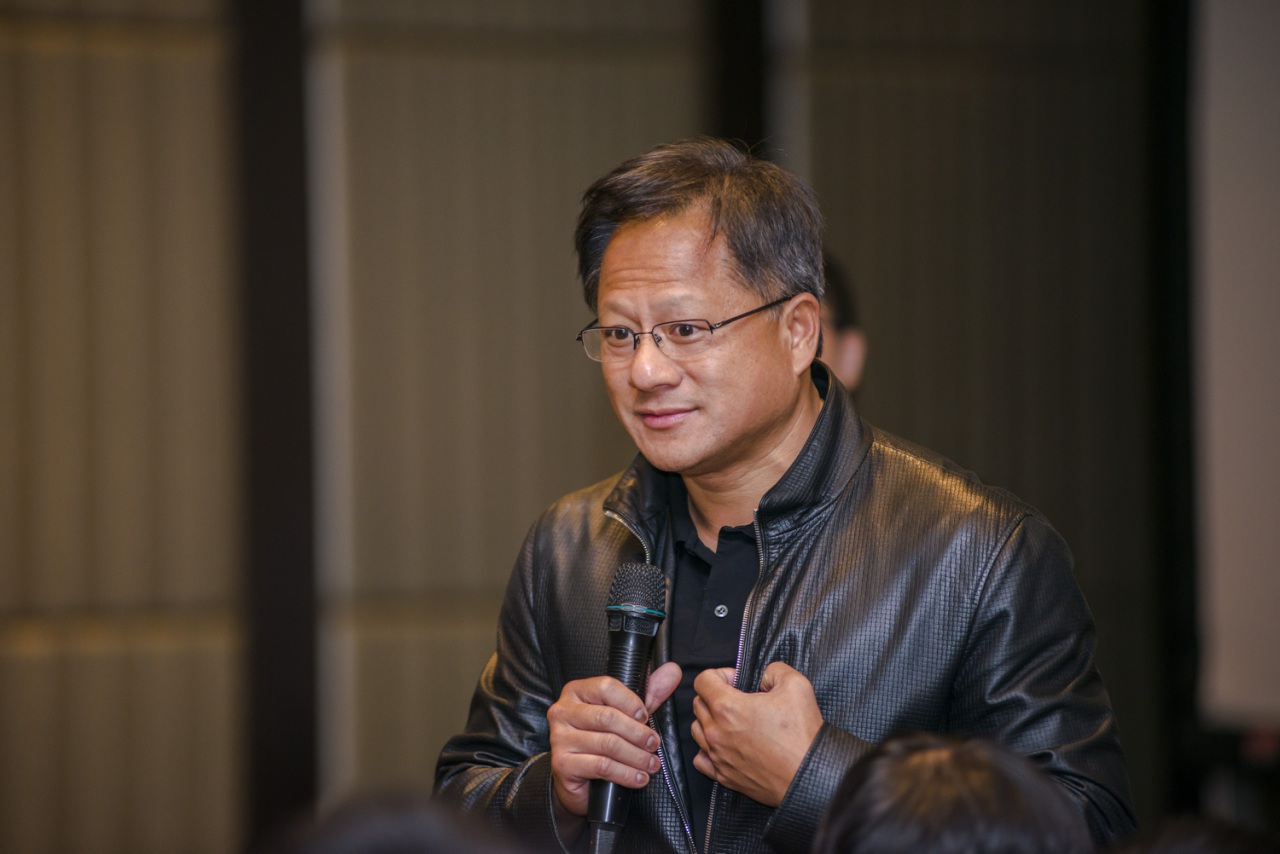
Nvidia co-founder Jensen Huang’s resignation as CEO has raised concerns among Israeli technology executives and investors about the company’s future investments and research operations in Israel. The semiconductor manufacturer employs approximately 6,000 people in the country and has plans for a multibillion-dollar development campus in northern Israel.
Huang, who resigned on November 12, 2026, previously described Israel as Nvidia’s second home and supported its expansion into a major research and development center. Chief Financial Officer Colette Kress has assumed the interim CEO position while the board searches for a permanent successor.
Nvidia’s Israeli Operations Face Leadership Uncertainty
Nvidia significantly expanded its Israeli operations following its $6.9 billion acquisition of Mellanox Technologies in 2019, which Huang personally supported. The acquisition established the foundation for Nvidia’s largest research and development operations outside the United States, focusing on networking technologies and advanced computing infrastructure.
The company also announced plans to construct a major campus in Kiryat Tivon, northern Israel, with facilities intended to accommodate approximately 10,000 employees. The project is scheduled to begin construction in 2027 and is expected to be completed by 2031.
Israeli cybersecurity entrepreneur Pavel Gurvich told TechCrunch that Huang’s involvement in the Mellanox acquisition contributed to positive sentiment toward Nvidia within the country’s technology community. His departure has prompted questions about the company’s continued commitment to these investments.
Potential Successors Include Israeli Technology Executives
Kress previously emphasized the importance of Nvidia’s Israeli operations, saying in a 2023 interview that she regularly began her workday with meetings involving Israeli teams before turning to California operations. Her comments have resurfaced as investors assess the company’s leadership transition.
Two executives with Israeli connections have also been mentioned as potential successors: Nvidia Chief Technology Officer Michael Kagan and Apple’s senior vice president of hardware technologies, Johny Srouji. Neither has been publicly identified by Nvidia as a candidate, and the company has not announced a timetable for selecting a permanent CEO.
Investors Assess Potential Changes to AI Competition
Yanai Oron, a general partner at Vertex Ventures Israel, said leadership uncertainty could slow Nvidia’s decision-making and create opportunities for competing chipmakers. However, he cautioned that slower AI infrastructure spending could also reduce the overall market available to competitors.
Adi Levanon, founder and managing partner at Selah Ventures, similarly suggested that Nvidia’s established technology and customer relationships would remain in place despite Huang’s departure. He said competing companies would still need to demonstrate better economics or technical advantages to attract customers.
The leadership change comes as developers of specialized AI processors and inference software attract investment as alternatives to Nvidia’s products. Companies are developing hardware and software designed to reduce the costs of running increasingly complex AI models and autonomous agents.
Nvidia’s influence also extends to Israel’s economic outlook, with the country’s central bank raising its 2026 growth forecast partly because of increased technology exports associated with Nvidia. The Bank of Israel revised its forecast to 5.6% from 4%, reflecting stronger contributions from advanced technology products.
Featured image credits: Wikimedia Commons
For more stories like it, click the +Follow button at the top of this page to follow us.