

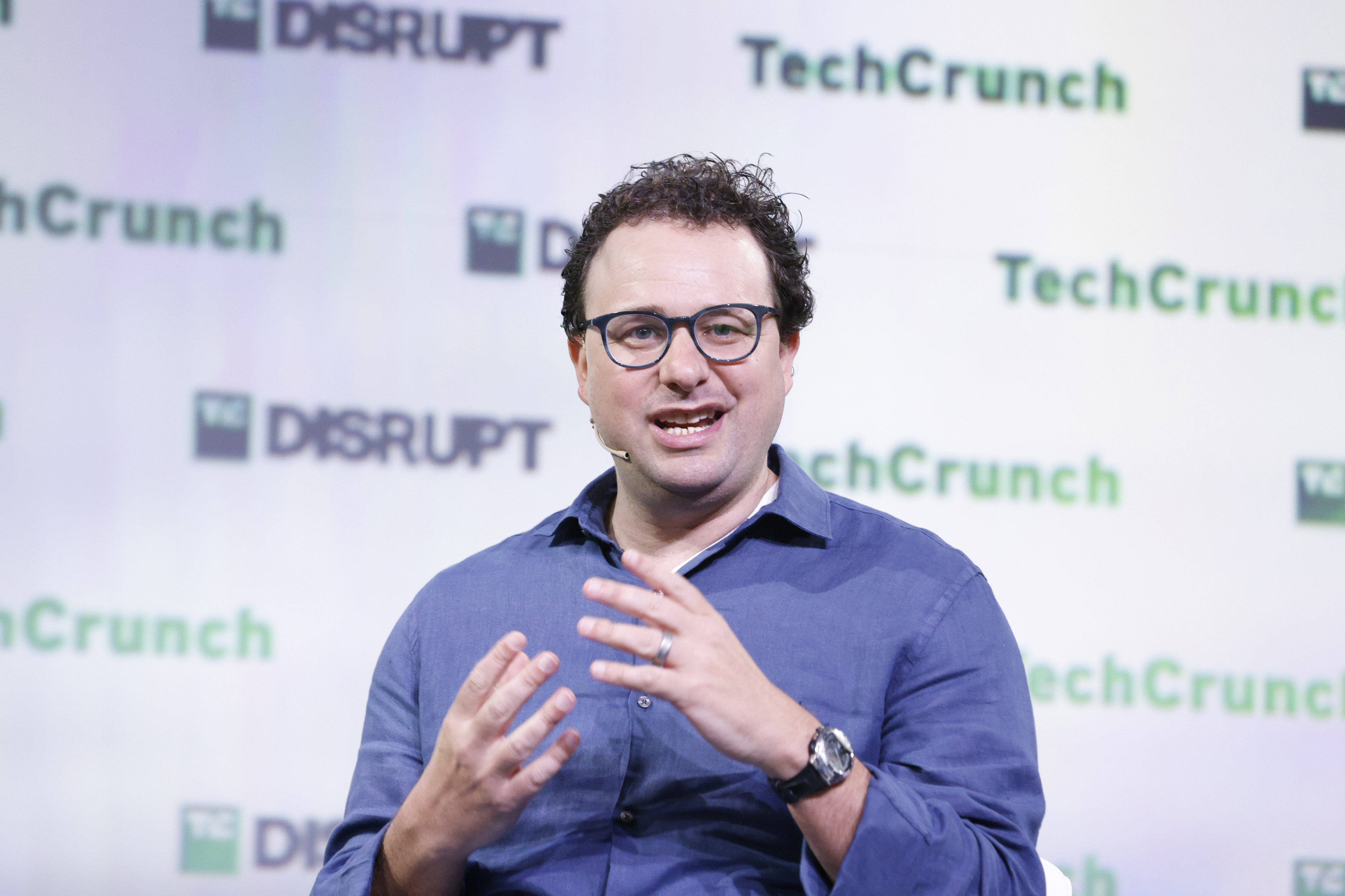
Anthropic CEO Dario Amodei has rejected claims that his company supports a US ban on open-weight AI models, including systems developed in China. He said Anthropic has never advocated for such a policy and described models without dangerous capabilities as a public good.
Amodei published Anthropic’s position on open-weight models after Nvidia, Meta, Microsoft, Hugging Face, Mistral and other technology companies signed an industry letter warning policymakers against broad restrictions.
Amodei Separates Openness From National Security
Open-weight models make their trained parameters available for users to download, modify and operate independently. Amodei said these systems can benefit researchers, developers and businesses because users generally pay only for the computing resources needed to run them.
He argued that open models should not be treated as equivalent to national security threats associated with advanced AI development in authoritarian countries. His primary concern is that a government could develop systems more capable than those available in the United States and use them for military advantage, surveillance or domestic repression.
Amodei identified China as the most capable authoritarian state pursuing advanced AI, while stressing that his concern extends beyond one country. He also warned that increasingly powerful models could help users conduct cyberattacks or develop biological weapons.
Anthropic Supports Targeted Restrictions
Rather than banning open-weight systems, Amodei called for controls focused on specific risks. His proposals include restricting access to advanced AI chips, taking legal action against large-scale unauthorised model distillation and testing the most capable models before deployment.
Distillation uses one model’s outputs to train or improve another. Anthropic has accused Chinese AI companies of systematically extracting capabilities from its closed models, although Amodei said ordinary model-development techniques should not automatically be treated as theft.
He also supported an international safety-testing organisation that would evaluate advanced systems regardless of whether they are open or closed. Less-capable models developed by startups and academic researchers could remain exempt.
Open Models Cannot Be Fully Recalled
Amodei said open-weight models create distinct safety challenges because operators can remove safeguards and use them without oversight from the original developer. Once the weights have been widely downloaded, the model cannot be fully withdrawn.
The UK AI Security Institute has similarly warned that an open-weight release cannot be rolled back, although removing official download access may slow further distribution.
Open-model advocates argue that the same access can help defenders inspect vulnerabilities and build protections. Amodei said that argument may apply in some areas, but he remains concerned that unrestricted access to highly capable systems could benefit attackers more than defenders in biological and other high-risk domains.
Featured image credits: Wikimedia Commons
For more stories like it, click the +Follow button at the top of this page to follow us.