

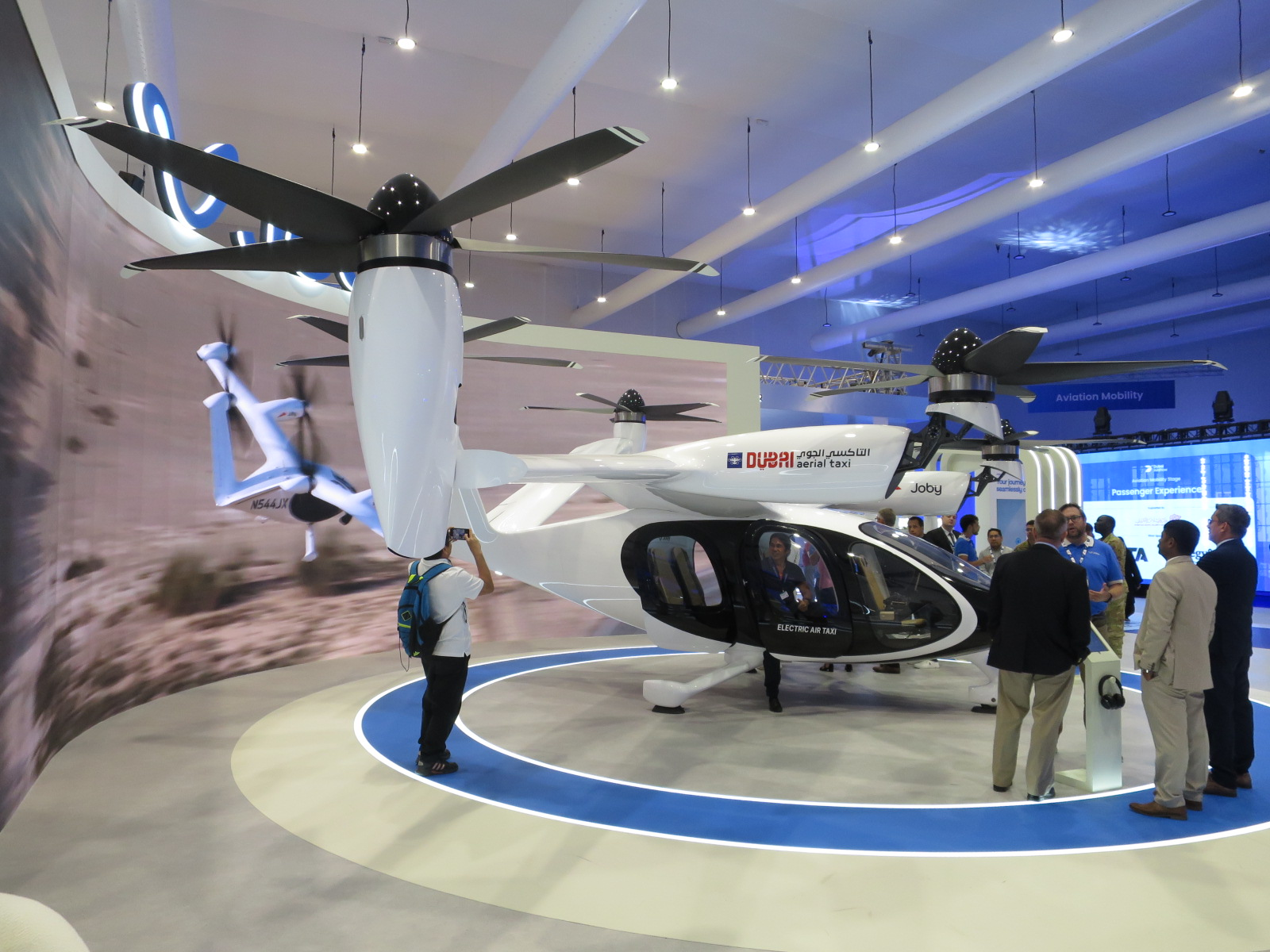
Florida plans to direct nearly $200 million in federal electric vehicle infrastructure funding toward charging facilities for electric air taxis rather than a statewide network of road-vehicle chargers. The proposal would support 32 landing sites for electric vertical take-off and landing aircraft, according to the Miami Herald.
The state received approximately $198 million through the federal National Electric Vehicle Infrastructure programme. The initiative was created under the Bipartisan Infrastructure Law to develop a connected network of publicly accessible EV chargers across the United States.
Florida Says Private Chargers Meet Current Needs
The Florida Department of Transportation has not yet spent its NEVI allocation. State officials reportedly concluded that private charging companies had developed enough infrastructure along Florida’s main travel corridors.
Florida has one of the country’s largest electric vehicle populations, behind only California, but its number of public chargers relative to registered EVs remains below the national average. Other states have used NEVI funding to install chargers along highways and in communities where renters or residents without private parking have fewer charging options.
Under federal rules, states must first address charging needs along designated alternative-fuel corridors. Once those routes are certified as fully built out, remaining money may be used for EV charging infrastructure on other public roads or at publicly accessible locations.
Florida’s plan would apply that flexibility to charging infrastructure at vertiports. Federal approval would still be required for the proposed use of NEVI money.
Landing Sites Could Include Airports and Golf Courses
The proposed network would include landing pads and high-powered chargers at locations such as airports, golf courses and luxury residential developments. Electric air taxis generally carry four or five passengers and are designed for shorter regional or urban flights.
Florida officials believe the aircraft could provide another travel option in areas affected by road congestion. Commercial eVTOL operations remain limited, however, as manufacturers continue testing aircraft and pursuing certification from the Federal Aviation Administration.
The state has already expanded its legal framework for advanced air mobility. Legislation approved in 2026 allows FDOT to fund public vertiport projects and broadens the definition of eligible airport infrastructure.
FDOT is also working with Eve Air Mobility at its SunTrax testing facility to study the infrastructure, operating procedures and airspace requirements needed for electric aircraft.
Florida has not publicly detailed the final locations, construction timetable or cost for each of the 32 proposed sites.
Featured image credits: Wikimedia Commons
For more stories like it, click the +Follow button at the top of this page to follow us.