

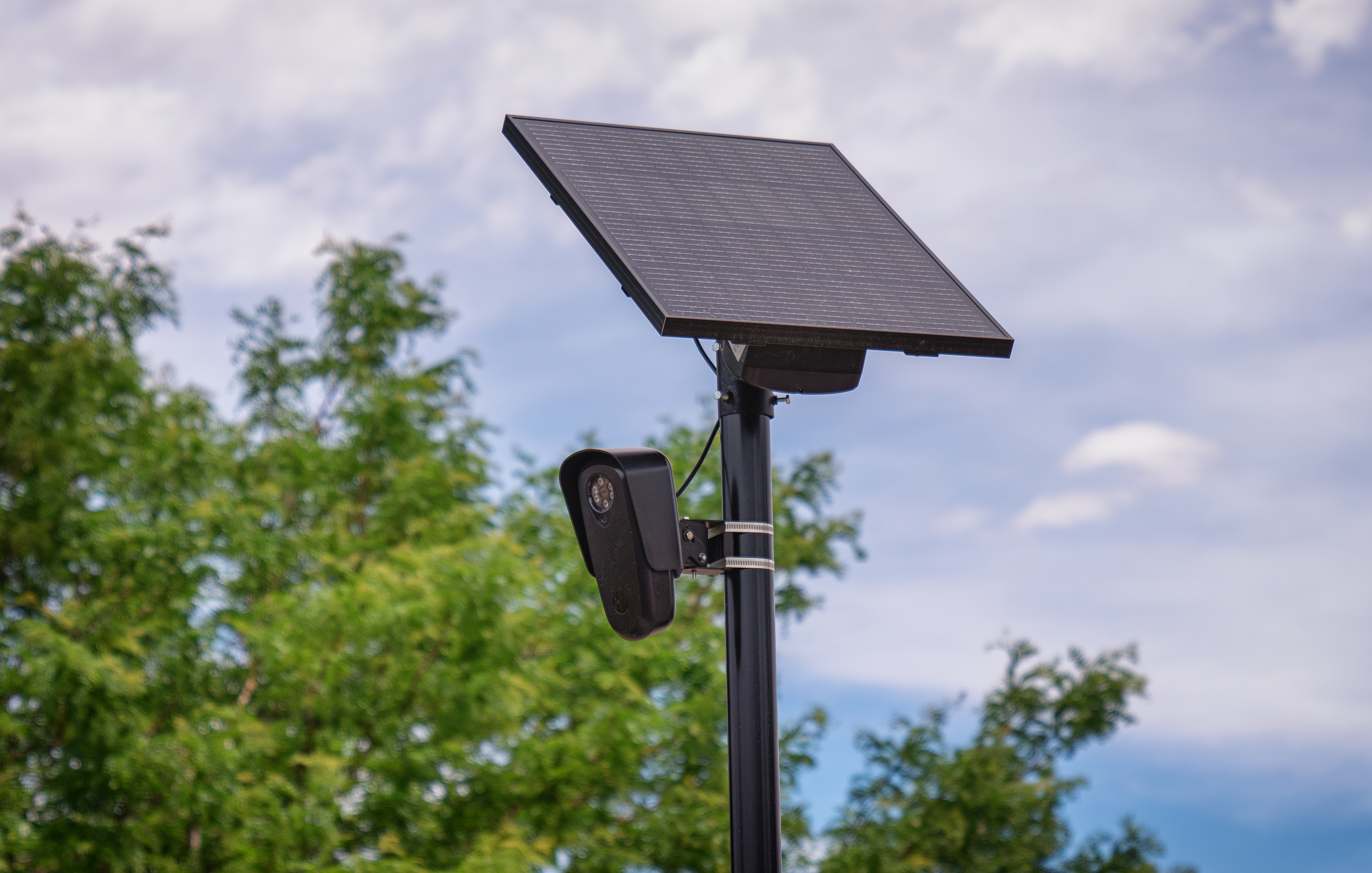
Flock Safety has announced new privacy and accountability measures for its automated license plate reader systems, including a recommendation that police departments retain data for seven days instead of 30. The company is also expanding controls around longer-term evidence storage, data sharing, and suspected misuse of its systems.
Under the new policy, customers that adopt the seven-day retention recommendation can use a feature called Evidence Mode when information needs to be preserved longer for a specific investigation. Flock says activating the feature requires a case number, while agencies can still choose their own retention periods.
The company is also giving customers more control over which types of investigations can access data shared by other agencies. Flock says the changes are intended to reduce unnecessary data retention and make cross-agency searches more closely tied to specific public safety uses.
Audit Assistance Will Become Mandatory
Flock is also expanding Audit Assistance, a monitoring feature introduced in April that looks for unusual search activity. More than one-third of customers have enabled it so far, and Flock says all customers will be required to turn it on by the end of 2026.
Flock says Audit Assistance is not based on machine learning or generative AI. Instead, it uses predefined data patterns to flag activity for administrator review, such as repeated searches for the same license plate using multiple case codes. A flag does not establish wrongdoing and is intended to prompt further investigation.
The system can also temporarily lock a flagged user out until an administrator reviews the activity. Flock says the feature has already helped agencies identify possible misuse.
Privacy Groups Say the Safeguards Need Independent Scrutiny
Civil liberties groups remain skeptical of the changes. The American Civil Liberties Union said there is not enough public evidence to determine how reliably Audit Assistance identifies misuse and called for independent evaluation of its effectiveness.
The ACLU also noted that Flock operates more than 120,000 automated license plate readers across at least 6,000 US communities, giving the system access to extensive location data. It argues that shorter retention periods and stronger auditing do not resolve broader concerns about how such data can be searched, shared, or used by law enforcement.
The Electronic Frontier Foundation has raised similar concerns in previous assessments of Flock safeguards, arguing that case-number requirements and audit systems can still depend heavily on local agencies policing their own use of the technology.
Flock’s latest changes follow multiple reported cases in which law enforcement personnel were accused of using its systems for unauthorized personal searches. The company says tighter retention limits, mandatory monitoring, and stronger sharing controls are intended to make those forms of abuse easier to detect and prevent.
Featured image credits: Wikimedia Commons
For more stories like it, click the +Follow button at the top of this page to follow us.