

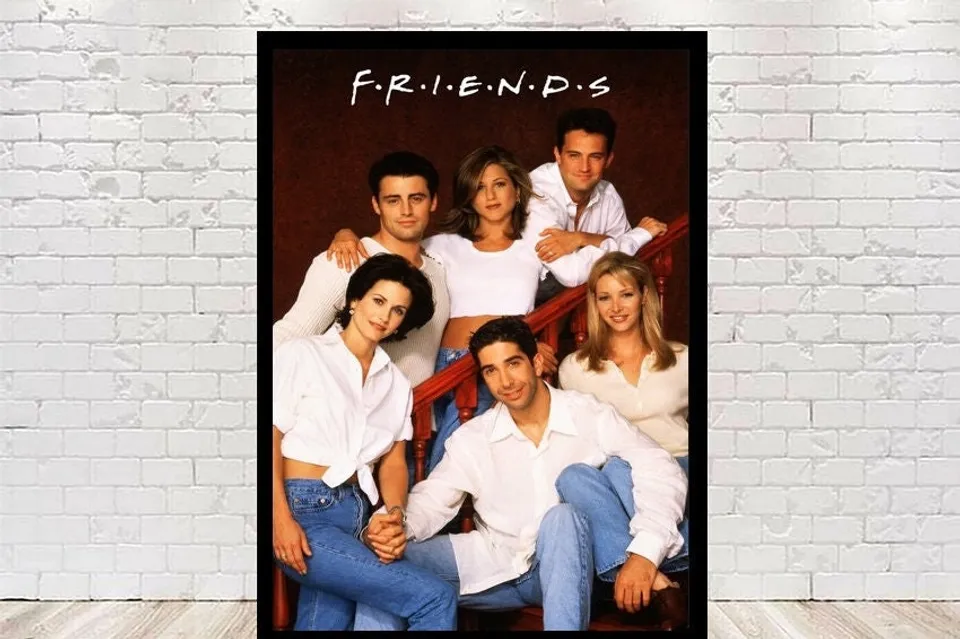
More than two decades after Friends ended, television has yet to produce a Gen Z sitcom with comparable cultural reach. Newer ensemble comedies including Adults, I Love LA, Not Suitable for Work and The Sex Lives of College Girls have followed young people navigating friendships, work and relationships, but none has matched the scale of the 1990s series.
Friends ran for 10 seasons between 1994 and 2004 and routinely attracted audiences above 20 million viewers in the U.S. Its finale drew about 52.5 million viewers. The series has also remained popular with younger viewers, while UCLA’s 2025 Teens and Screens research found that young audiences continue to place a high value on relatable stories and friendships.
Young Viewers Have Far More Entertainment Choices
One major difference is how television competes for attention today. Gen Z audiences divide their time among streaming services, YouTube, TikTok and other social platforms rather than relying primarily on scheduled television.
Activate’s Technology and Media Outlook shows how video consumption has become fragmented across paid streaming, YouTube and social platforms. That makes it harder for a single sitcom to consistently reach the kind of mass audience available to network shows during the 1990s.
Modern sitcom seasons are also shorter. While Friends typically produced more than 20 episodes per season, current ensemble comedies often have only eight to 10 episodes, giving audiences less time with their characters.
Capturing Gen Z Authentically Is Difficult
Writers also face the challenge of depicting a generation whose language and online culture change rapidly.
UCLA research has found that young viewers want more realistic and relatable stories, while earlier Teens and Screens findings showed that many young people find portrayals of social media in television and film inaccurate or awkward.
That problem becomes particularly visible when shows rely on current slang or internet references that can quickly feel outdated.
Gen Z characters also face different economic pressures from those portrayed on Friends. Employment uncertainty, expensive housing and the effects of the pandemic can make it harder for writers to balance realism with the comfort and escapism traditionally associated with sitcoms.
Friendship Still Appeals to Younger Audiences
There is still evidence that the basic ensemble format resonates. UCLA’s 2025 study found that 59.7% of people aged 14 to 24 wanted more content where friendships are the central relationships.
FX’s Adults, now in its second season, follows five twenty-somethings sharing a home in New York while dealing with work, relationships and family. Its crowded living arrangements also present a less aspirational version of young adulthood than the spacious Manhattan apartments associated with Friends.
Other shows have taken different approaches. I Love LA focuses heavily on influencers and digital culture, while The Sex Lives of College Girls explored friendship among students from different backgrounds before ending after three seasons.
The challenge for these series is not simply finding the right characters. They must also reach a fragmented audience, portray rapidly changing online behavior convincingly and balance Gen Z’s economic concerns with the humor and familiarity audiences expect from a sitcom.
Featured image credits: Printerval
For more stories like it, click the +Follow button at the top of this page to follow us.