

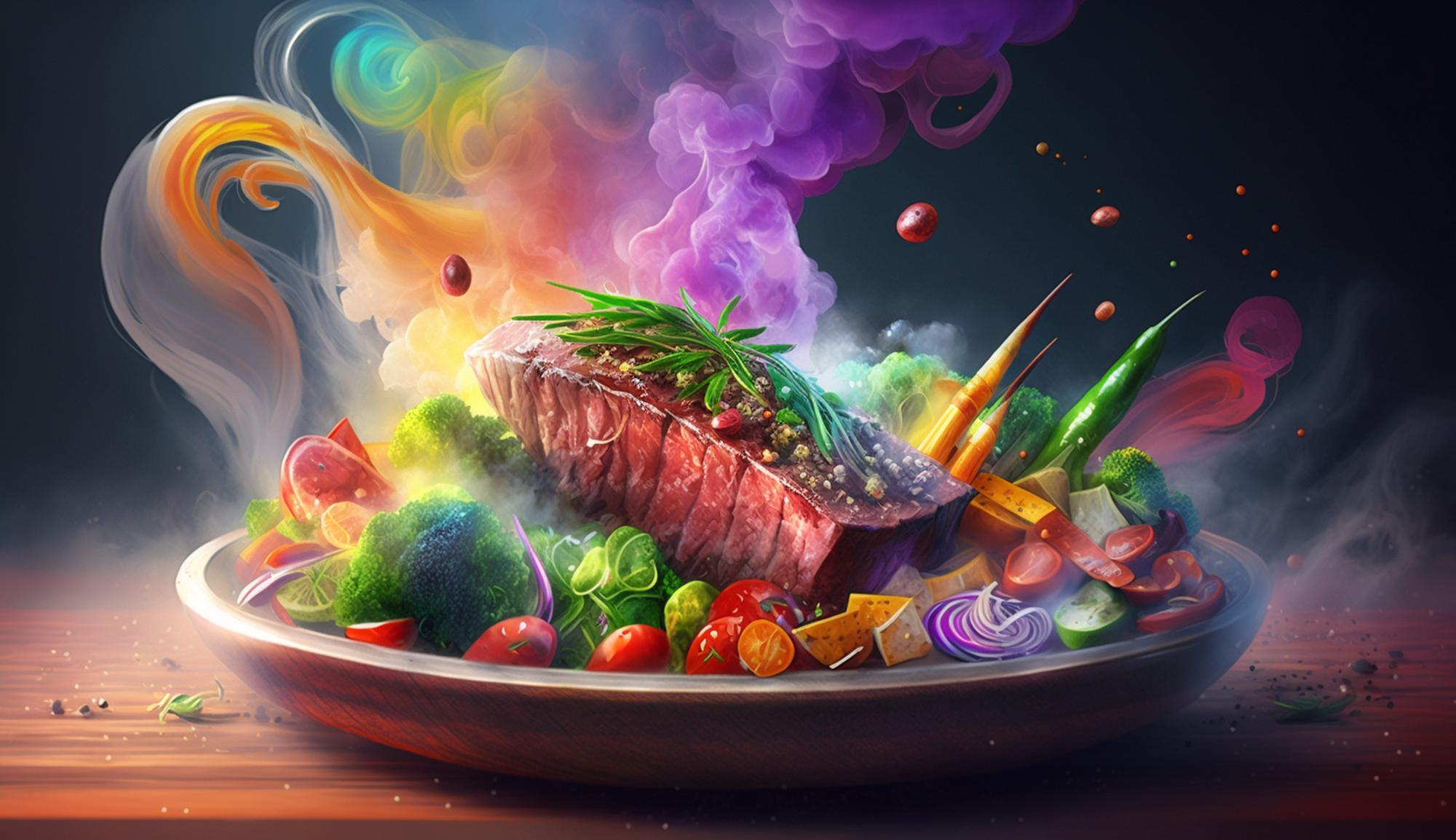
AI-generated food images are appearing on restaurant menus, but many share an unusually polished look, with symmetrical sandwiches, smooth textures, and ingredients that appear almost real without looking quite natural. Researchers and AI specialists say the effect can stem from how image models learn common visual patterns and how repeated generations can push outputs toward increasingly similar aesthetics.
Alex Lisle, CTO of Reality Defender, said models generate images by learning patterns from large collections of existing material rather than understanding how food should physically look. When asked to create a restaurant menu, a model may draw heavily from the visual conventions found across commercial food photography and major restaurant chains.
AI Images Can Converge on Similar Styles
The result can be a form of convergence, where generated images increasingly favor familiar and visually pleasing characteristics. This is different from model collapse, a more severe problem that can occur when models are repeatedly trained on AI-generated material and progressively lose the diversity and quality present in original human-created data.
Repeatedly editing an AI-generated image can produce a similar effect within a single workflow. Small changes to prices, names, colors, or other menu details may also cause the model to regenerate parts of the image, gradually changing food textures and shapes.
Lee Rainie, director of the Imagining the Digital Future Center at Elon University, said AI systems tend to smooth out unusual characteristics as they optimize toward outputs that are broadly considered pleasing. Food photography already exaggerates attractive qualities, and generative models can push those characteristics further.
Research Finds an Uncanny Valley for AI Food
A 2025 study published in Appetite found evidence of an uncanny valley effect in AI-generated food images. Participants rated imperfect AI food that looked close to realistic as more uncanny and less pleasant than images that were clearly unrealistic or convincingly realistic.
The researchers found that food neophobia, or discomfort with unfamiliar foods, influenced the strength of this response. Food disgust sensitivity did not significantly explain the effect, suggesting the unease was linked more closely to unexpected deviations from familiar-looking food than to perceptions of contamination.
The issue extends beyond restaurant menus because the same image-generation systems are increasingly used for advertising and other visual material. As synthetic content becomes easier to produce and harder to distinguish from conventional photography, researchers and verification companies are also examining how people judge whether images depict something that existed in the physical world.
Featured image credits: Magnific.com
For more stories like it, click the +Follow button at the top of this page to follow us.