

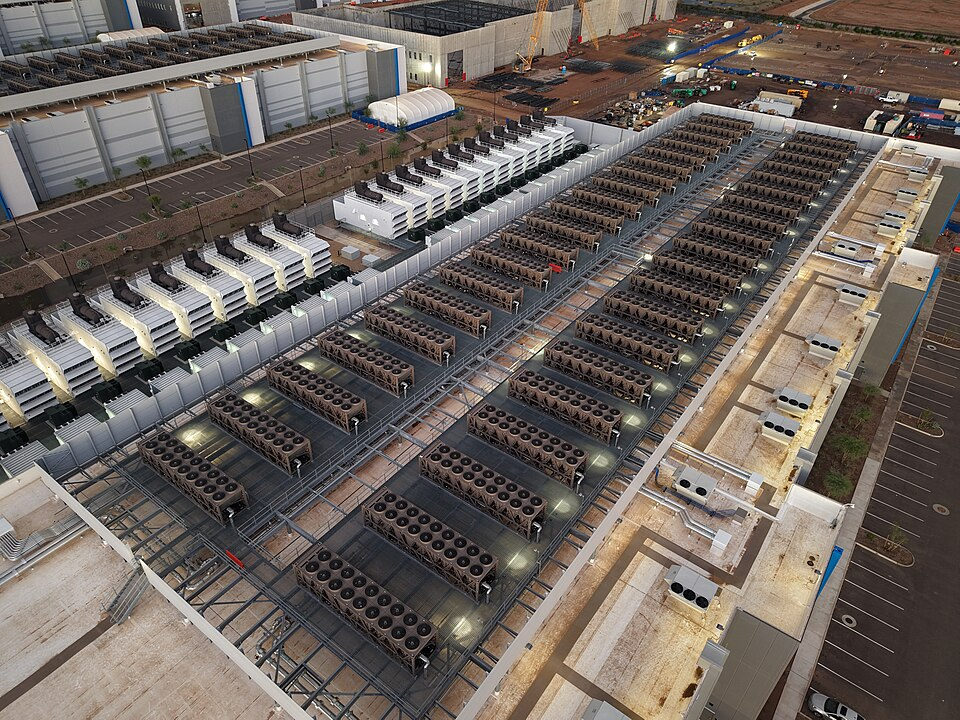
The rapid expansion of AI infrastructure could make U.S. data centers one of the largest sources of natural gas demand growth over the next decade. A new forecast from BloombergNEF projects that American data centers could consume 18 billion cubic feet of natural gas per day by 2035, exceeding the combined gas consumption of Germany and Japan.
The forecast represents a sharp increase from BloombergNEF’s previous estimate issued nine months ago. The updated outlook accounts for the likelihood that not every announced data center project will ultimately be built.
Data Centers Become Major Driver Of Gas Demand
BloombergNEF expects data centers to become the second-largest contributor to U.S. natural gas demand growth through 2035, trailing only liquefied natural gas (LNG) exports.
A growing number of technology companies are planning facilities that generate electricity onsite using dedicated natural gas plants. Companies including Meta, Microsoft, Google, and Amazon have announced projects that would bypass traditional electricity grids and rely directly on gas-fired power generation.
According to the report, these onsite-powered facilities could consume between 2.9 billion and 3.4 billion cubic feet of natural gas per day by 2035. That amount roughly matches the volume currently consumed by all data centers today, including gas used indirectly through grid electricity generation.
Grid-Connected Facilities Expected To Drive Most Growth
Despite the attention surrounding self-powered facilities, BloombergNEF estimates that grid-connected data centers will account for most of the increase in natural gas demand.
By 2035, these facilities are expected to drive an additional 15 billion cubic feet of daily natural gas consumption by the power sector. BloombergNEF said that figure is roughly five times greater than the combined demand growth expected from all other grid-connected sectors during the same period.
The forecast highlights the scale of electricity requirements associated with AI computing, cloud infrastructure, and data processing workloads.
Natural Gas Prices Could Face Upward Pressure
The projected increase in consumption could place pressure on natural gas markets. Much of the current data center expansion has occurred during a period of relatively stable gas prices, helping operators manage energy costs.
However, some analysts have questioned whether those conditions will persist. Rising LNG exports combined with growing demand from data centers could push prices higher over time, increasing costs for both industrial users and utility customers.
Emissions Impact Raises Concerns
The forecast also points to a significant increase in greenhouse gas emissions. According to the International Energy Agency, burning one cubic foot of natural gas releases greenhouse gases equivalent to approximately 60 grams of carbon dioxide when extraction, processing, and distribution are included.
BloombergNEF’s projections suggest that additional demand from data centers could generate roughly 1 million metric tons of greenhouse gas emissions per day. That amount is equivalent to about 12% of current U.S. greenhouse gas emissions.
As AI-related infrastructure continues to expand, energy demand from data centers is expected to become an increasingly important factor in both U.S. energy markets and emissions trends.
Featured image credits: Wikimedia Commons
For more stories like it, click the +Follow button at the top of this page to follow us.