

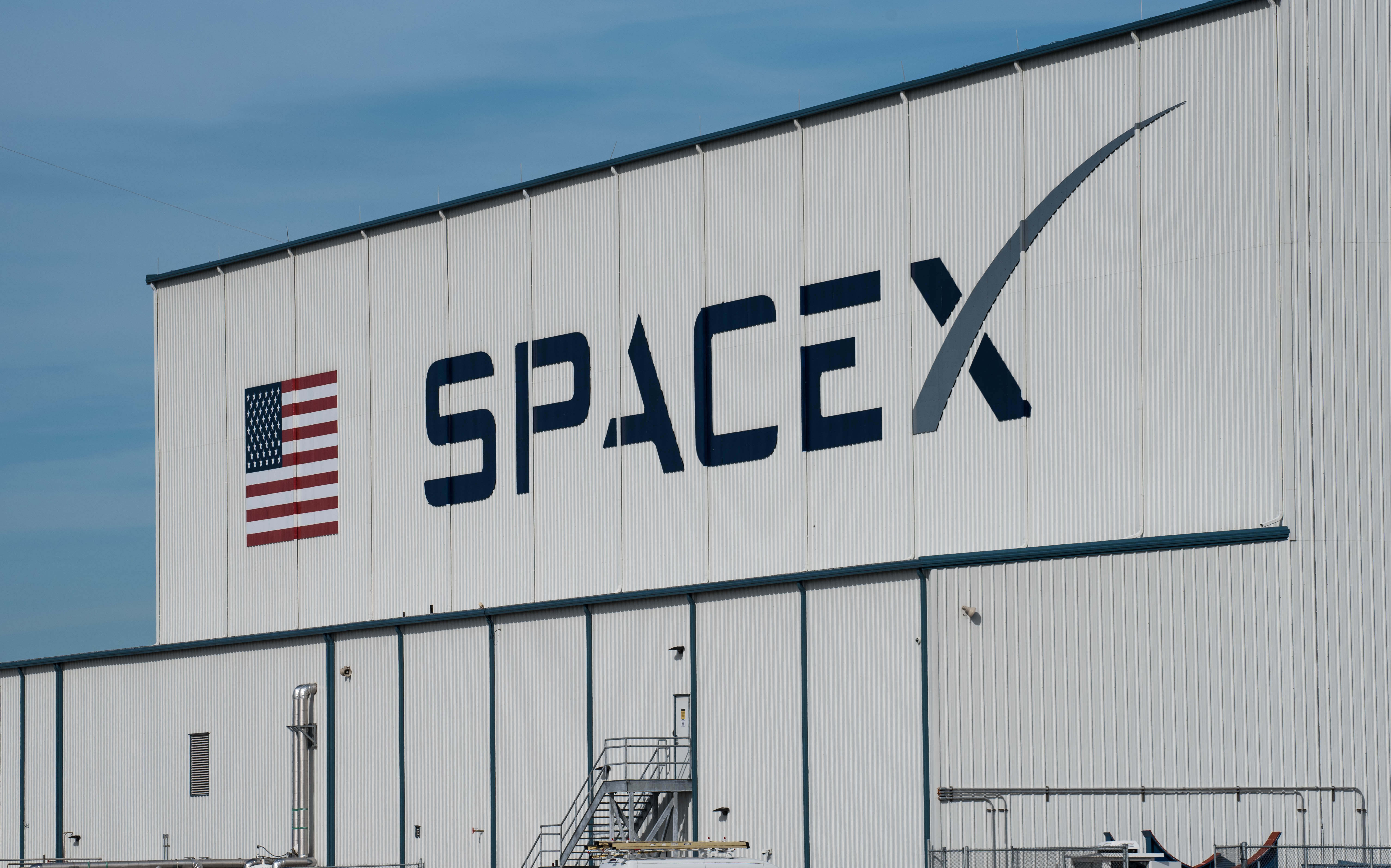
SpaceX and Tesla have each established special committees of independent directors to examine a potential merger, according to Elon Musk, who serves as CEO and the largest individual shareholder of both companies. The committees were formed at shareholders’ request, although no agreement has been reached and Musk cautioned that combining the companies is not guaranteed.
Speaking during SpaceX’s third-quarter earnings call on October 20, Musk said he supports the proposed merger but cannot participate in negotiations because of conflicts of interest. He explained that independent directors would review the potential transaction and its terms before seeking shareholder approval.
Independent Directors Review Potential Merger
According to Tesla’s October 19 proxy filing, its seven independent directors include board chair Robyn Denholm, Ira Ehrenpreis, JB Straubel, Joe Gebbia, Jack Hartung, James Murdoch, and Kathleen Wilson-Thompson. Neither Musk nor his brother Kimbal Musk qualifies as an independent director.
SpaceX lists six independent directors, including Ehrenpreis, Randy Glein, Donald Harrison, Steve Jurvetson, Luke Nosek, and Roelof Botha. Ehrenpreis also chairs SpaceX’s compensation and nominating committee, giving him board positions at both companies.
Other SpaceX directors include Musk, company president Gwynne Shotwell, and Valor Equity Partners founder Antonio Gracias, who are not classified as independent. Gracias previously served on Tesla’s board, while his investment firm holds approximately 3.4% of SpaceX and has financed some of its AI hardware purchases through leaseback arrangements.
Tesla Merger Would Require Shareholder Approval
Musk said the proposed transaction faces different shareholder approval requirements at the two companies. He controls more than 50% of SpaceX’s voting rights, providing him with substantial influence over decisions requiring shareholder support.
At Tesla, however, Musk said a merger would require approval from shareholders representing at least 50% of all outstanding shares, rather than simply a majority of votes cast. This requirement means shareholders who do not participate in the vote could affect whether the transaction succeeds.
Musk said the independent committees have not agreed on any transaction terms, and shareholders would ultimately need to support a proposed combination. He also cautioned against assuming that the merger would proceed.
Musk Cites AI, Robotics and Chip Manufacturing Opportunities
Musk identified artificial intelligence, robotics, semiconductor manufacturing, and computing infrastructure as areas where combining SpaceX and Tesla could support closer cooperation. The companies are already collaborating on Terafab, a semiconductor manufacturing project designed to support their computing requirements.
SpaceX is also developing Starmind, an orbital AI data center project, while Tesla continues investing in autonomous driving software and humanoid robotics. Musk said combining their engineering resources could support these activities alongside their existing operations.
The merger discussions follow SpaceX’s initial public offering earlier this year, which strengthened Musk’s voting control over the company.
Featured image credits: Wikimedia Commons
For more stories like it, click the +Follow button at the top of this page to follow us.