

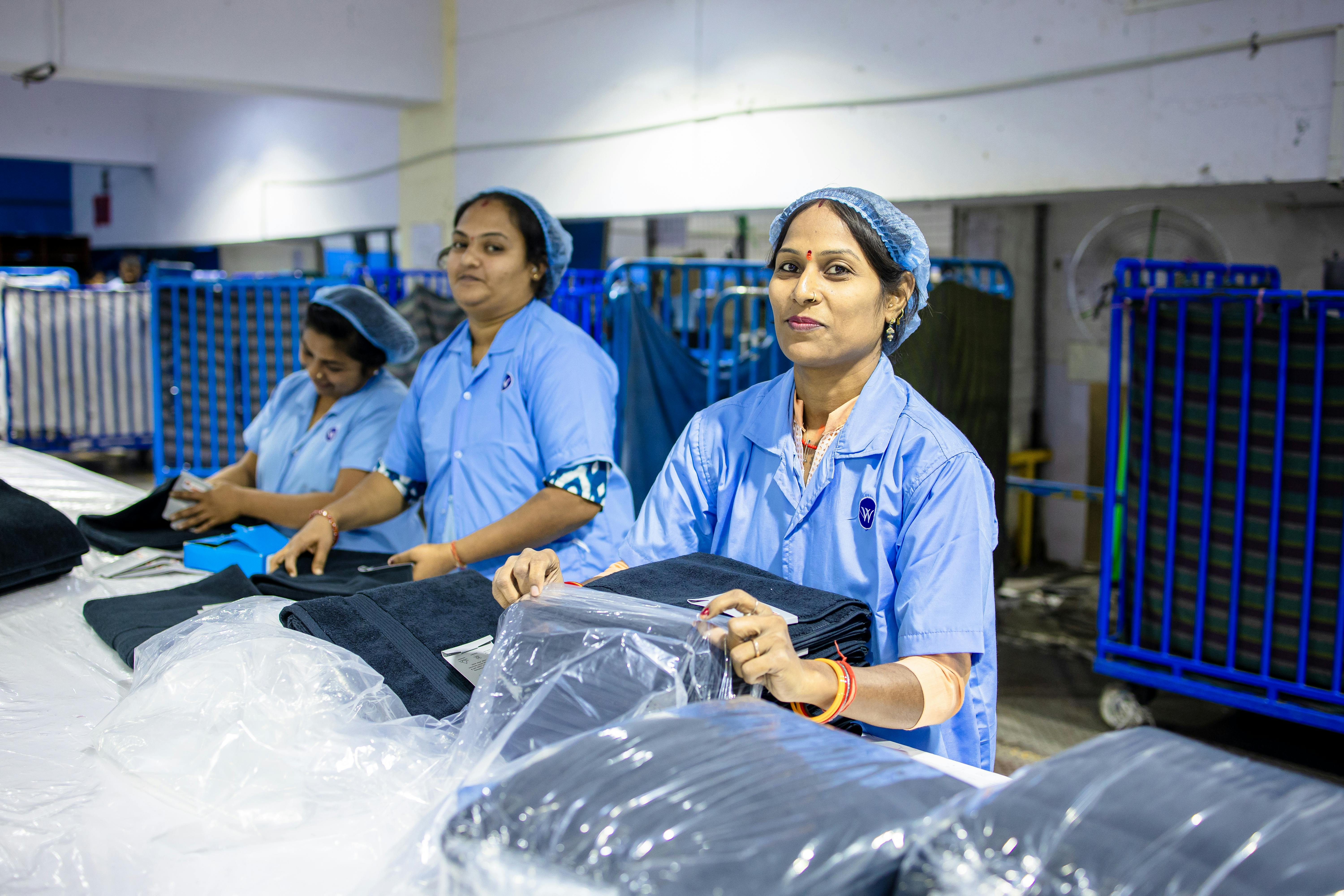
India’s highest court has rejected a petition calling for mandatory menstrual leave for working women and female students, with judges stating that such a policy could discourage employers from hiring women. The ruling came from a two-judge bench led by Surya Kant, which argued that legally mandated leave linked to menstruation could reinforce gender disparities in the workplace.
During the hearing, the bench said compulsory menstrual leave could create the perception that women were not on equal footing with male colleagues and might negatively affect their professional development. The judges warned that if such a rule were implemented nationwide, employers in the private sector might become reluctant to recruit women.
The court was reviewing a petition filed by lawyer Shailendra Mani Tripathi, who sought the creation of a national policy granting menstrual leave. According to legal news platform LiveLaw, Tripathi requested two to three days of leave for working women to address health difficulties associated with menstruation.
Tripathi later told Indo-Asian News Service that the goal of the petition was to provide support for women experiencing menstrual discomfort while maintaining their participation in work and education.
The judges rejected the request, stating that the proposed policy could harm women by reinforcing stereotypes and affecting hiring decisions. They said the measure could lead employers to view women as less desirable candidates because of the additional leave requirement.
While declining to impose a legal mandate, the bench noted that the government could still examine the issue. The judges said policymakers could consider a menstrual leave policy in consultation with stakeholders.
The court’s remarks have renewed debate across India about whether menstrual leave represents workplace support or whether it reinforces existing gender perceptions.
Public health expert and lawyer Sukriti Chauhan told the BBC that the court’s comments reflect persistent stigma surrounding menstruation. She said describing menstruating women as less desirable employees repeats social taboos and fails to address existing rights.
Chauhan pointed to laws that address workplace dignity, gender equality, and safe working conditions for women. According to her, refusing menstrual leave can place women in uncomfortable or unsafe working environments during painful periods. She also said that menstrual leave policies could support health while maintaining workplace productivity.
The issue has long divided opinion within India. Some critics argue that additional leave for women could create unequal treatment compared with male workers. Others say cultural taboos around menstruation could discourage women from requesting such leave even if it were available.
In some communities, menstruation remains a sensitive subject. Women may face restrictions such as being barred from entering temples or being isolated at home due to beliefs that they are “unclean” during their periods.
Supporters of menstrual leave say the policy has already been adopted in several countries. Examples often cited include Spain, Japan, South Korea, and Indonesia, where menstrual leave provisions exist in various forms.
India itself already has several regional policies. The states of Bihar and Odisha provide two days of menstrual leave per month to government employees. Kerala offers menstrual leave to university staff and employees at industrial training institutes.
More recently, the southern state of Karnataka introduced a law granting one day of leave each month to menstruating women.
Private companies have also implemented their own policies. In 2025, RPG Group announced a two-day monthly menstrual leave policy for employees at its tyre manufacturing subsidiary CEAT.
Engineering company Larsen & Toubro also adopted a menstrual leave policy that allows one day off each month. Food delivery platform Zomato provides up to 10 days of menstrual leave annually for employees.
Featured image credits: Pexels
For more stories like it, click the +Follow button at the top of this page to follow us.