

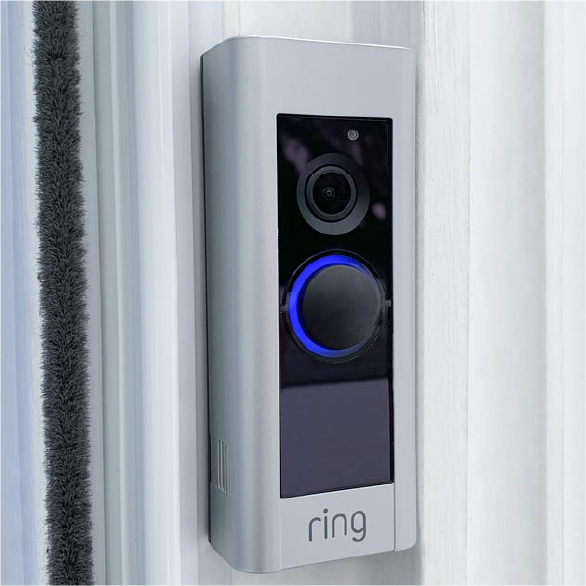
Ring is introducing a new app store designed to expand the functionality of its network of more than 100 million cameras, allowing third-party developers to build services on top of its ecosystem.
The store, initially focused on areas such as elder care, workforce analytics, and rental management, will enable developers to reach Ring’s existing customer base through integrations that extend beyond home security.
AI Driven Use Cases Across Consumer And Business Scenarios
The app store builds on advances in artificial intelligence that allow Ring’s cameras to interpret real-world audio and video data and translate it into actionable insights.
One launch partner, Density, a company backed by SoftBank, is offering an app called Routines that uses Ring cameras to monitor elderly individuals and alert families to events such as falls or changes in daily behavior.
Other applications include QueueFlow’s tool for measuring wait times and congestion in places like restaurants and events, and Minut’s solution for rental property monitoring, which integrates camera data with sensors tracking noise and temperature.
Developer Ecosystem And Distribution Model
Ring’s app store will be accessible through its mobile app on iOS and Android, starting with users in the United States before expanding to other regions. At launch, around 15 apps are available, with additional submissions open through the company’s developer platform.
According to Jamie Siminoff, the initiative aims to unlock new uses for existing hardware by enabling developers to build niche applications that address specific customer needs.
Users will still need to download partner apps separately, meaning Ring is not directly distributing them through traditional mobile app store systems. This structure allows Ring to avoid paying commissions to Apple or Google for in-app purchases.
Ring will instead take a commission of about 10% when customers subscribe to or purchase partner services.
Privacy Restrictions And Ongoing Scrutiny
The company said it will restrict certain categories of applications in response to concerns about surveillance technology. Apps offering features such as facial recognition or license plate reading will not be permitted.
Ring has faced criticism in the past over its data-sharing practices, including partnerships with law enforcement and companies such as Axon. It previously ended a partnership with Flock Safety that would have allowed police agencies to request footage from Ring users.
Siminoff said the company is monitoring public concerns as it builds out the platform and aims to limit applications that could raise privacy issues.
Expansion Plans And Monetization Strategy
The company expects the app ecosystem to grow significantly, with a target of hundreds of applications across multiple industries by the end of the year.
Beyond subscription-based models, Ring said it is open to supporting alternative monetization approaches, including one-time payments and ad-supported services, depending on developer and user preferences.
The initiative reflects a broader effort to extend Ring’s presence from consumer home devices into business and enterprise use cases, supported by AI-driven analysis of real-world environments.
Featured image credits: eQ Homes
For more stories like it, click the +Follow button at the top of this page to follow us.