

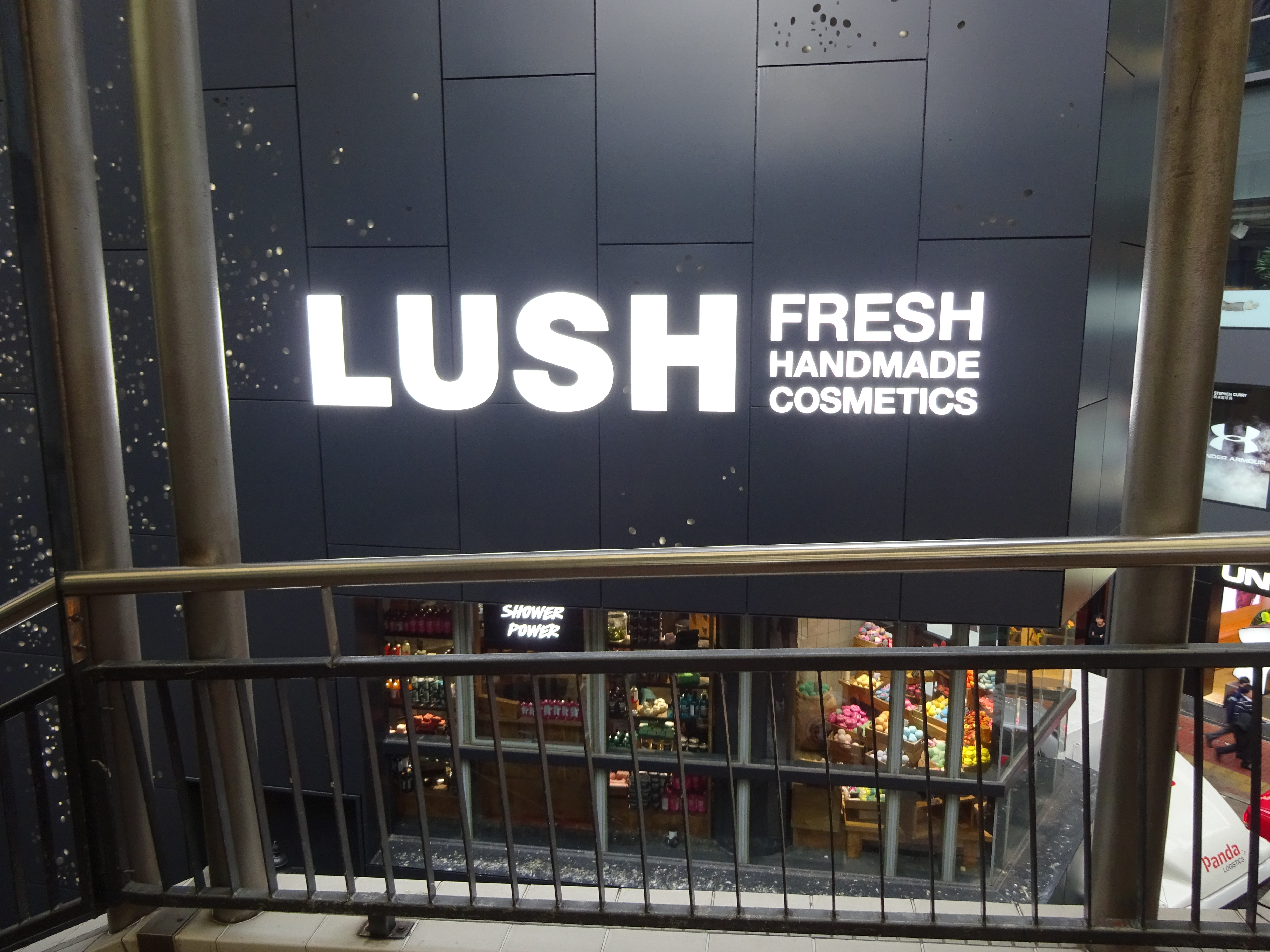
Lush co-founder and chief executive Mark Constantine has reaffirmed the company’s long-standing commitment to activism in business, saying he embraces the label “woke” as part of Lush’s identity and does not seek to appeal to customers who oppose its values.
Activism As A Core Business Principle
Speaking in an interview with the BBC, Constantine said social activism has been central to Lush’s approach since its early years. The company has taken public positions on issues including trans rights, police accountability, and humanitarian concerns, integrating campaigns directly into its retail operations.
Lush has previously shut down several social media accounts, citing concerns about harm to young people, and more recently closed stores for a day in protest against starvation in Gaza. Constantine said customers who strongly disagree with the company’s values should not expect the brand to accommodate them.
Company Growth And Retail Strategy
Founded in 1995, Lush has expanded from a single shop in Dorset into a global retailer with 869 stores and annual turnover of £690 million. Constantine, now 73, continues to lead the company and remains involved in day-to-day strategy.
He said Lush focuses on making physical retail engaging, offering experiences such as spa treatments and customer events. Constantine said this approach could help counter long-term challenges facing high street shopping.
Independence And Comparisons With Other Brands
Constantine contrasted Lush’s independence with brands that have been acquired by larger groups, including Ben & Jerry’s. He said selling a business can limit a founder’s ability to protect its values.
Ben & Jerry’s co-founder Ben Cohen told the BBC that while the brand’s founders opposed selling, regulatory requirements linked to being publicly traded influenced the decision. Cohen said the company’s social mission was written into its agreement with its parent company and said he was not asking for special treatment.
Views On Pay And Employment Costs
Constantine said recent increases in the minimum wage and employer National Insurance contributions should be welcomed. He said higher pay for lower-paid workers benefits the wider economy and said Lush is willing to absorb the additional costs.
However, Lush has faced scrutiny over pay practices in the past. In 2020, the company acknowledged underpaying Australian workers by more than $4 million over nearly a decade. A spokesperson said the errors were corrected and measures were put in place to prevent recurrence. The same year, Lush addressed concerns about working conditions at its Australian factory.
Family Ownership And Succession Concerns
Lush remains privately owned by its six co-founders, including Constantine and his wife Mo Constantine. Two of Constantine’s three children also work for the company. He said family ownership contributes to business longevity and resilience.
Constantine criticised government plans to apply inheritance tax to family business assets over £1 million from April 2026, saying the change could force owners to sell. A spokesperson for the HM Treasury said the government remains supportive of business and noted reforms to corporation tax and business rates.
Long-Term Outlook For Physical Retail
Despite ongoing challenges in retail, Constantine said he remains confident in the future of bricks-and-mortar stores. He said innovation and kindness, values he associates with traditional British retail, remain essential to sustaining physical shops.
Constantine began his career supplying products to The Body Shop, founded by the late Anita Roddick, an experience he said shaped his views on ethics and business.
Featured image credits: Wikimedia Commons
For more stories like it, click the +Follow button at the top of this page to follow us.