

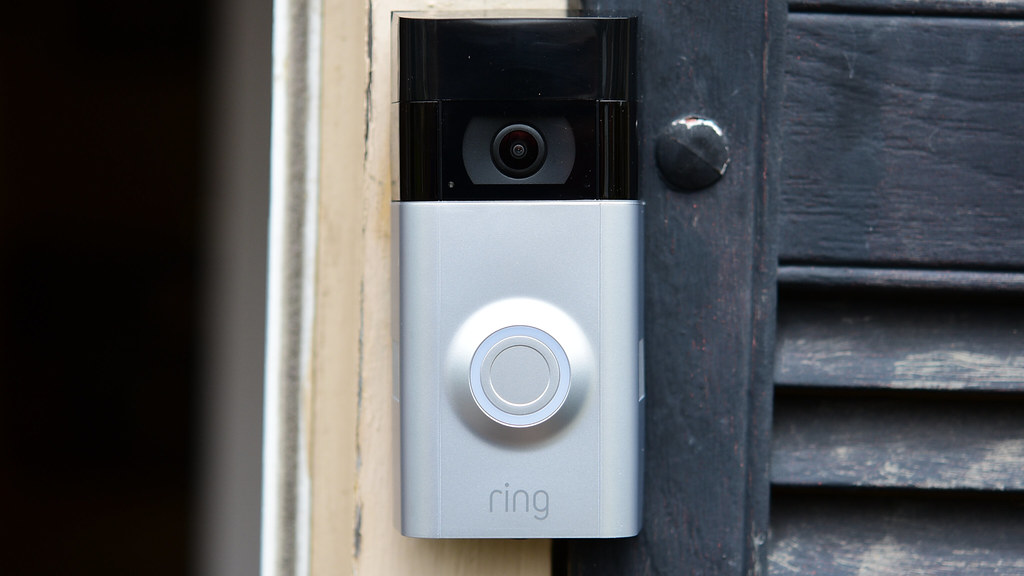
Amazon was sued on Monday in Seattle over allegations that Ring’s Familiar Faces feature stores images of passersby without their consent, a class action filed by Virginia resident Charles Sigwalt says. The complaint alleges millions of Americans passed by Ring cameras and had facial-recognition information collected without knowledge.
Feature and pushback
Ring introduced Familiar Faces last September and launched the feature in December, letting users identify people who regularly come to their home through AI facial recognition. The feature gives specific notifications (for example, “Dad is at the door”) instead of generic alerts like “A person is at the door,” and requires users to opt in.
Privacy concern in lawsuit
The lawsuit centers on the claim that people who walk past Ring doorbells have not consented to facial-recognition scans, with the filing stating “Millions of other Americans passed by a Ring security camera and unknowingly had their facial recognition information collected.” Plaintiffs argue that storing images of passersby violates privacy rights.
Company statements and encryption
At launch, Amazon said face data is encrypted and never shared, and that unidentified faces are automatically removed after 30 days. Amazon did not immediately respond to Reuters’ request for comment on the lawsuit.
Ring’s prior privacy issues
Ring settled with the Federal Trade Commission in 2023 and paid a $5.8 million fine after allegations that staff and contractors improperly accessed private videos, with the FTC saying employees had full access to all customer videos. Ring has also allowed law enforcement to request footage from users without a warrant in past arrangements.
Recent controversies
After a Super Bowl ad introduced Search Party, an AI feature to find lost pets, Ring faced backlash and shortly afterward canceled a planned partnership with video surveillance company Flock Safety, which has reportedly shared footage with ICE and other federal agencies. Ring founder Jamie Siminoff told TechCrunch the Flock deal would have created too much of a “workload.”
Featured image credits: Flickr
For more stories like it, click the +Follow button at the top of this page to follow us.