

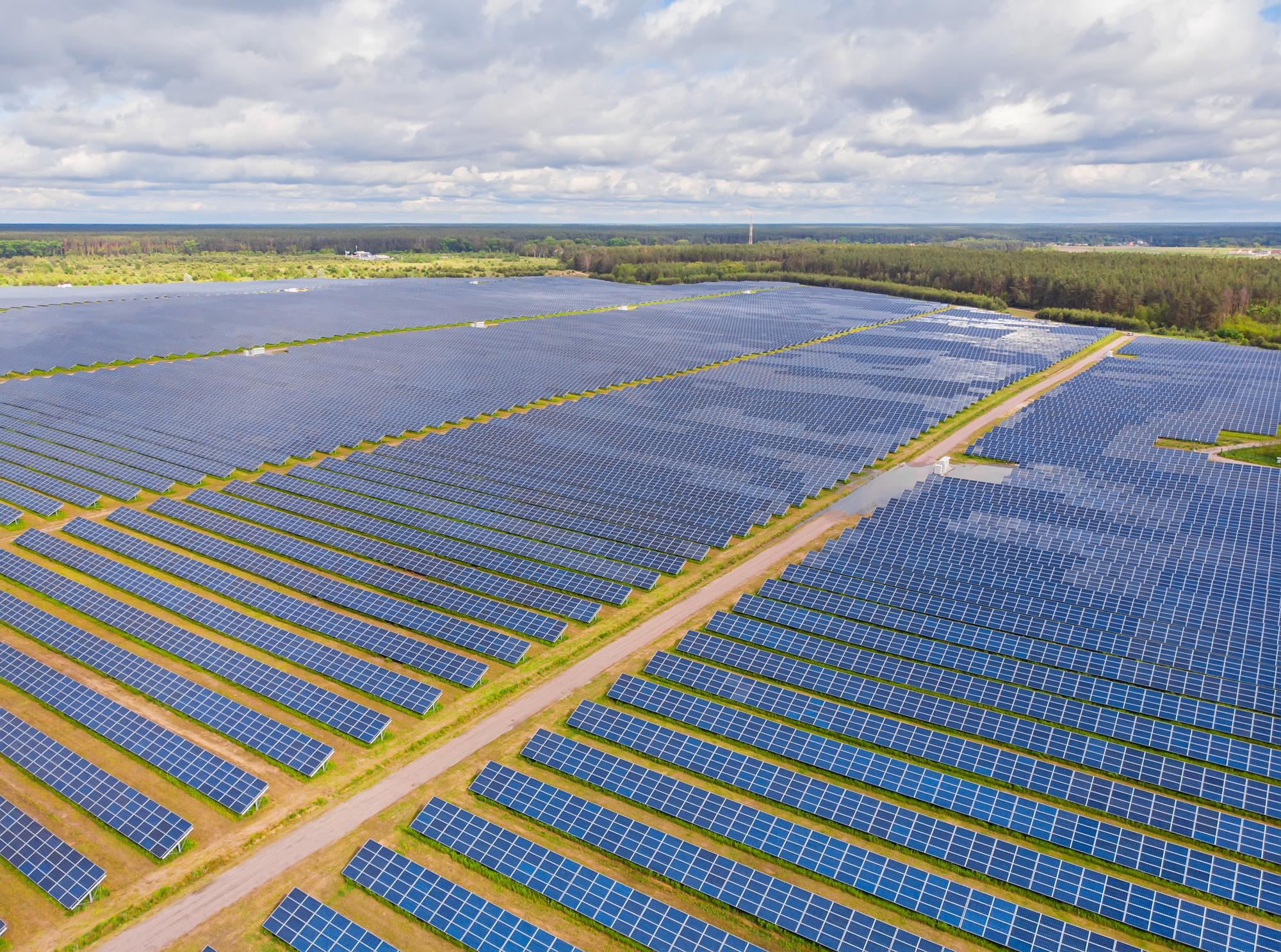
Google is investing in and buying power from the Steel River Energy Center in Arkansas, its largest solar and battery storage project to date. The three-phase facility is expected to become the largest U.S. solar project paired with battery storage when fully operational in 2029.
Google will serve as an anchor investor and purchase the full electricity output from the first two phases. According to the company’s official announcement, those phases will add 1.6 gigawatts of solar generation and 1.9 gigawatt-hours of battery storage to the regional grid.
Electricity from the project will flow into the grid rather than directly to Google’s facilities. The arrangement is intended to offset growing demand from the company’s nearby data centers and support its goal of matching electricity use with carbon-free power every hour.
Full Project Will Reach 2.5 Gigawatts
Once all three phases are complete, the Steel River Energy Center will provide about 2.5 gigawatts of solar capacity and 2.9 gigawatt-hours of battery storage. Google and developer Cypress Creek Energy said that would generate enough electricity to power more than 315,000 Arkansas homes annually.
The facility will be built in Mississippi County, about 30 miles north of Memphis. Its battery systems will store solar energy during peak daylight hours and return electricity to the grid when demand is higher or solar generation falls.
Cypress Creek has secured $3.5 billion in financing for the first two phases. The complete development is expected to attract more than $4.5 billion in private capital.
Google said the project will use U.S.-manufactured solar panels and 100% American-made structural steel, including material produced and manufactured in Arkansas. Construction is expected to support hundreds of local jobs and generate about $300 million in tax revenue over the project’s operating life.
Google Expands Clean Power for Data Centers
The agreement comes as AI development increases electricity demand across the technology industry. Google has expanded its investments in solar, wind, battery storage and other energy sources as it builds more data center capacity.
The company has also committed $5 million to energy affordability and school-efficiency programmes in Arkansas. The funding will support community solar subscriptions for lower-income households, home weatherization and energy upgrades for local schools.
Google’s approach contrasts with some AI operators that have turned to temporary natural gas plants to meet computing demand quickly. Reuters recently reported that xAI was operating nearly 60 turbines without federal clean-air permits near its Colossus 2 data center.
Steel River shows that large solar and battery projects can also be deployed quickly enough to support rising data center demand. Its scale could provide a model for technology companies seeking reliable power while reducing their dependence on fossil fuels.
Featured image credits: Magnific.com
For more stories like it, click the +Follow button at the top of this page to follow us.