

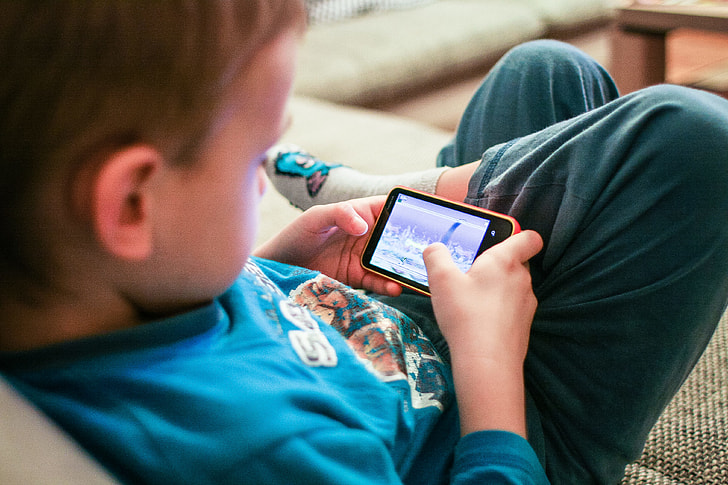
A growing number of companies are offering phones and communication devices designed specifically for children as parents look for alternatives to unrestricted smartphones. These products range from modified Android phones with parental controls to screen-free home phones limited to calling approved contacts.
Most kid-focused smartphones include familiar features such as touchscreens, cameras, calling and messaging. However, they typically remove open app stores, social media and unrestricted web browsing, while giving parents control through a companion app or online portal.
Parents can usually approve contacts, manage apps, view locations and set schedules or screen-time limits. Some services also scan messages and media for signs of cyberbullying, explicit content, grooming or other safety concerns.
Bark Phone Prioritizes Content Monitoring
The Bark Phone is built on Samsung hardware and uses Bark’s monitoring software to scan texts, emails, photos and supported apps for possible safety issues. Parents receive alerts when the system detects content associated with bullying, sexual material, suicidal ideation or potential online predators.
Calling and messaging can be restricted to approved contacts. Parents can gradually unlock apps, web access and other features as their child becomes ready for them, while also using GPS tracking and screen-time controls.
The standard phone currently costs $240 before its required wireless plan. Bark positions the device as a smartphone that can grow with a child rather than remaining permanently limited.
Gabb Removes Most Online Risks
Gabb takes a more restrictive approach. Its phones do not include social media, an open web browser or a conventional app store.
Children receive calling, texting, a camera and a selection of approved apps. Gabb also offers a curated music service and optional tools for blocking spam calls and unwanted messages.
Parents can track the phone’s location and manage settings remotely. The Gabb Phone 4 currently costs $149.99, with service plans starting at $24.99 per month.
Pinwheel Offers Flexible Daily Modes
Pinwheel lets parents approve individual apps and contacts, view location history and create schedules through its Caregiver Portal. The phones use standard hardware from manufacturers such as Samsung, Motorola and Google, but run software designed around parental oversight.
Its daily modes are a key feature. A child’s phone can be limited to calling and navigation during school hours, then provide access to approved entertainment or communication apps after homework.
Pinwheel also sells smartwatches and screen-free home phones, giving families several options for introducing communication technology gradually.
Teracube Thrive Resembles a Regular Smartphone
Teracube Thrive runs a modified version of Android called Thrive OS. Parents can approve apps, filter web access, monitor locations and set both device-wide and app-specific time limits.
Because it offers more conventional smartphone features than some competing devices, Thrive may be better suited to older children who need more functionality but are not ready for an unrestricted phone.
The phone currently sells for about $99, with service plans beginning at roughly $35 per month.
Ooma and Tin Can Keep Children Off Screens
Some families may prefer a device without mobile apps or a screen. Ooma MyPhone is a modern home phone that allows calls only with people inside a parent-managed Trusted Circle.
It also provides scheduled Quiet Hours, address-based 911 service, emergency notifications and online call logs. The hardware costs $99.99, while service begins at $7.99 per month.
Tin Can offers a similar screen-free option with a playful landline-style design. It connects over Wi-Fi and accepts calls only from approved contacts.
Calls between Tin Can devices are available without a paid plan, while a monthly subscription allows children to call approved mobile phones and other regular numbers.
These products offer different levels of independence rather than a single solution for every child. The right choice depends on whether parents want active content monitoring, tightly restricted smartphone features or a simple way for children to call family and friends without accessing the wider internet.
Featured image credits: PickPik
For more stories like it, click the +Follow button at the top of this page to follow us.