

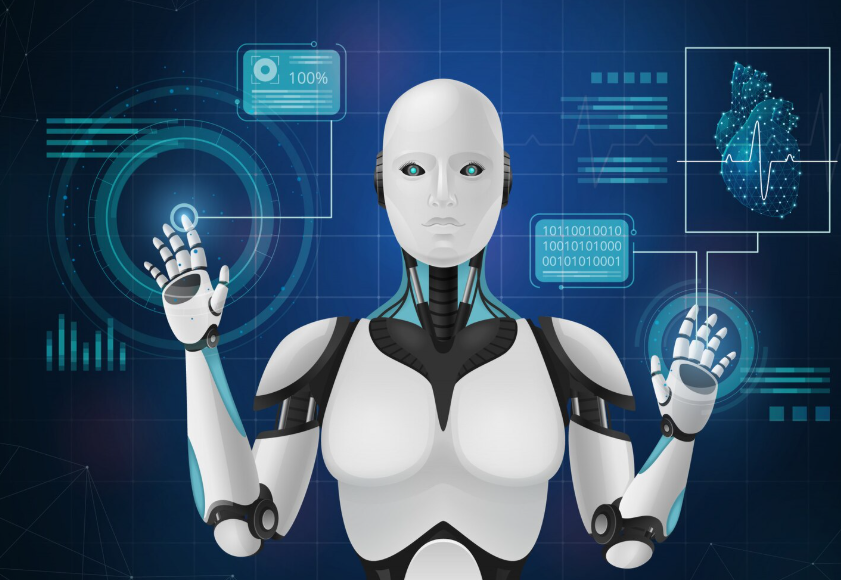
The US Federal Communications Commission has restricted the approval of new foreign-produced humanoid robots, quadruped robots and connected power inverters, citing cybersecurity and supply-chain risks. The policy will mainly affect Chinese manufacturers, which hold a leading position in the global robotics and inverter markets.
The FCC added the product categories to its Covered List on July 28 following national security determinations from an interagency group convened by the White House. Equipment on the list cannot receive the FCC authorisation generally required for import, marketing or sale in the United States.
Rules Apply to New Product Approvals
The restrictions cover foreign-produced advanced robotic devices, including autonomous mobile robots, humanoids and four-legged robots equipped with sensors and network connectivity. Connected power inverters used in solar installations, energy storage systems, data centres and household equipment are covered separately.
Previously authorised products can continue to be sold and used. The policy primarily prevents manufacturers from obtaining approval for new devices and updated models, although the FCC retains authority to review existing authorisations in some circumstances.
The FCC said networked robots could collect sensitive environmental data, support surveillance or be remotely commandeered. It also warned that connected inverters could provide an entry point for cyberattacks against the power grid as more renewable energy systems rely on internet-connected equipment.
Manufacturers Can Seek Exemptions
Foreign manufacturers can request a conditional approval by demonstrating that a device or product category does not pose an unacceptable risk. The Department of War will assess requests involving robots, while it and the Department of Homeland Security can review power inverter applications.
The FCC’s guidance for manufacturers explains that certain categories, including medical devices, drones and motor vehicles, may fall outside the definition of an advanced robotic device. Each product will be assessed using its weight, mobility, sensors, software and communications capabilities.
China Criticises the Restrictions
China produces an estimated 85% of the world’s humanoid robots. Unitree and AgiBot each shipped more than 5,000 units in 2025, out of approximately 15,000 global shipments, according to industry data cited by the Associated Press.
China’s Foreign Ministry accused Washington of overstating national security concerns to suppress Chinese companies. Beijing said it would take measures to protect affected businesses and warned that the restrictions could increase costs for US companies and consumers.
The policy adds robots and power equipment to a growing list of foreign-made technologies facing US restrictions, alongside communications equipment, surveillance cameras, drones and consumer routers.
Featured image credits: Magnific.com
For more stories like it, click the +Follow button at the top of this page to follow us.