

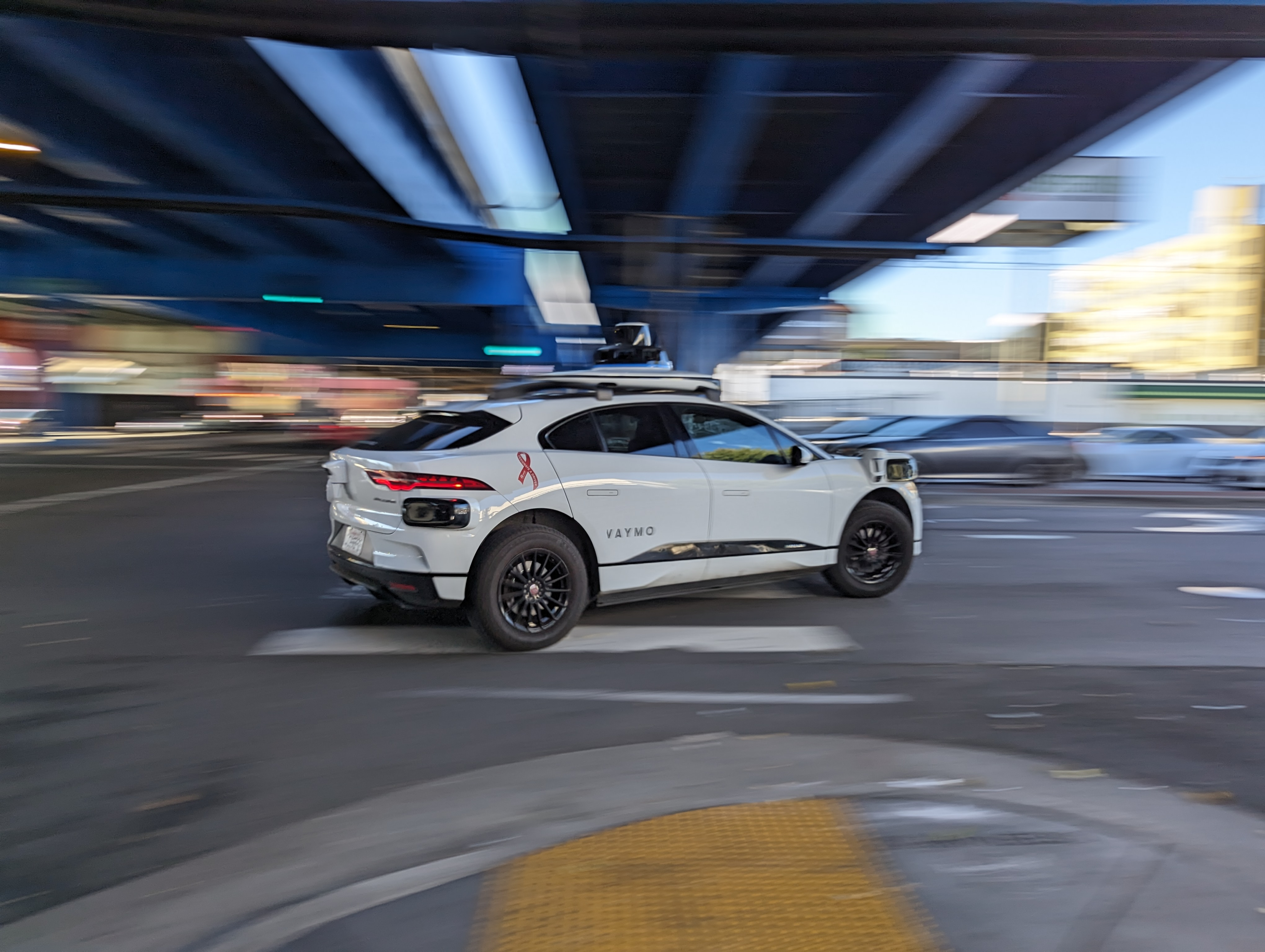
Waymo is gradually restoring freeway routes across its robotaxi network after software problems caused vehicles to enter highway areas closed for construction. The company began with Phoenix and said Los Angeles and the San Francisco Bay Area would follow.
Waymo said updated software improves how its vehicles recognise construction zones, select routes and respond to temporary road closures. The company is resuming operations in areas with active construction rather than permanently excluding them.
Recall Covered Nearly 4,000 Robotaxis
Waymo recalled 3,953 automated driving systems in June after identifying 13 incidents in which vehicles entered closed freeway construction zones. No crashes or injuries were reported in connection with the events.
The National Highway Traffic Safety Administration recall report said the vehicles sometimes failed to recognise ramp-closure signs and continued driving at freeway speeds. Waymo restricted highway operations while developing and installing a software remedy.
The update improves the detection of freeway construction areas, gives those closures greater priority over other road hazards and reduces vehicle speed when the system encounters uncertain conditions. Waymo began installing the software in June and initially resumed limited freeway operations later that month.
Freeways Shorten Longer Robotaxi Trips
Waymo first added freeway routes to its commercial services in Phoenix, San Francisco and Los Angeles in November 2025. It later extended highway access to Miami.
The routes allow passengers to complete longer journeys more quickly and provide easier access to airports and destinations outside city centres. Riders noticed when highway options disappeared from the Waymo app in May, prompting the company to confirm that it was reviewing its performance around construction.
The freeway issue marked Waymo’s sixth vehicle recall. Earlier software updates addressed behaviour around school buses, flooded roads and other unusual driving conditions.
Lawmakers Seek National Emergency Standards
The restart comes as autonomous vehicle operators face closer scrutiny over their interactions with emergency responders and temporary traffic controls. Reports have described robotaxis blocking ambulances, entering active emergency scenes and failing to respond properly to cones, flares and flashing lights.
US Representative Kevin Mullin has introduced the AV Emergency Response Coordination Act. The proposal would direct federal regulators to establish national emergency-response standards for autonomous vehicle companies.
The bill would require standardised protocols for first responders, a 24-hour contact line for public officials and a process for temporarily preventing autonomous vehicles from entering emergency areas. Waymo has said it supports a consistent federal framework and has trained thousands of first responders on interacting with its vehicles.
Featured image credits: Wikimedia Commons
For more stories like it, click the +Follow button at the top of this page to follow us.