

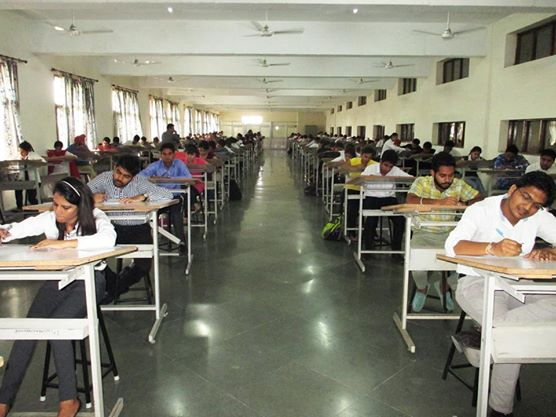
India’s National Testing Agency is facing renewed scrutiny after more than two million students were required to retake the NEET-UG medical entrance examination following a paper leak. The latest disruption has revived questions about the structure, staffing, security, and design of India’s high-stakes national examination system.
The National Testing Agency was established in 2017 under the federal education ministry to standardize major entrance and eligibility examinations. It now administers tests covering medical and engineering admissions, universities, teaching, and research qualifications.
Government Creates Another Examination Reform Panel
Following the NEET controversy and weeks of student protests, the government established a high-powered task force chaired by technology executive Nandan Nilekani. The panel is examining examination security, institutional governance, technology, infrastructure, accessibility, and student welfare.
The government has also invited students, educators, institutions, and other stakeholders to submit recommendations to the task force. Its work follows another reform committee established after examination irregularities in 2024, which made more than 100 recommendations, only some of which have been fully implemented.
Experts argue that preventing paper leaks will require changes beyond tighter security. BJ Rao, who served on the 2024 panel, said India should expand computer-based testing through standardized, government-controlled examination centers and reduce reliance on temporary facilities.
Staffing has also come under scrutiny. Government figures cited in the report show that only 24 of the NTA’s 221 employees are permanent, while many positions are filled through contractual arrangements or by officials with administrative rather than examination-specific backgrounds.
Experts Question the Single High-Stakes Exam Model
Some education specialists want examinations such as NEET-UG to resemble India’s engineering entrance system, with computer-based tests held across multiple sessions and different question sets. They argue that spreading an examination across several sessions could reduce the consequences of a leak or administrative failure affecting a single test.
Others have proposed allowing students to take major entrance examinations more than once each year. That could give candidates another opportunity if an examination is cancelled, disrupted, or produces an unexpectedly poor result without forcing them to wait another year.
Students have also faced problems beyond NEET. UGC-NET candidates are preparing to retake some subjects on September 9 after the NTA cancelled affected papers because of errors, following a separate cancellation in 2024.
Calls from some student groups and opposition politicians to abolish the NTA have grown following the repeated disruptions. Education specialists including former university regulator chairman M Jagadesh Kumar argue that replacing a single national testing agency with multiple bodies could instead produce inconsistent security standards and duplicate costs.
The Nilekani-led task force is expected to recommend broader changes to how India designs and manages public examinations. Its challenge is not only preventing another leak, but reducing the consequences when millions of students depend on a small number of examinations for access to limited university places.
Featured image credits: Wikimedia Commons
For more stories like it, click the +Follow button at the top of this page to follow us.