

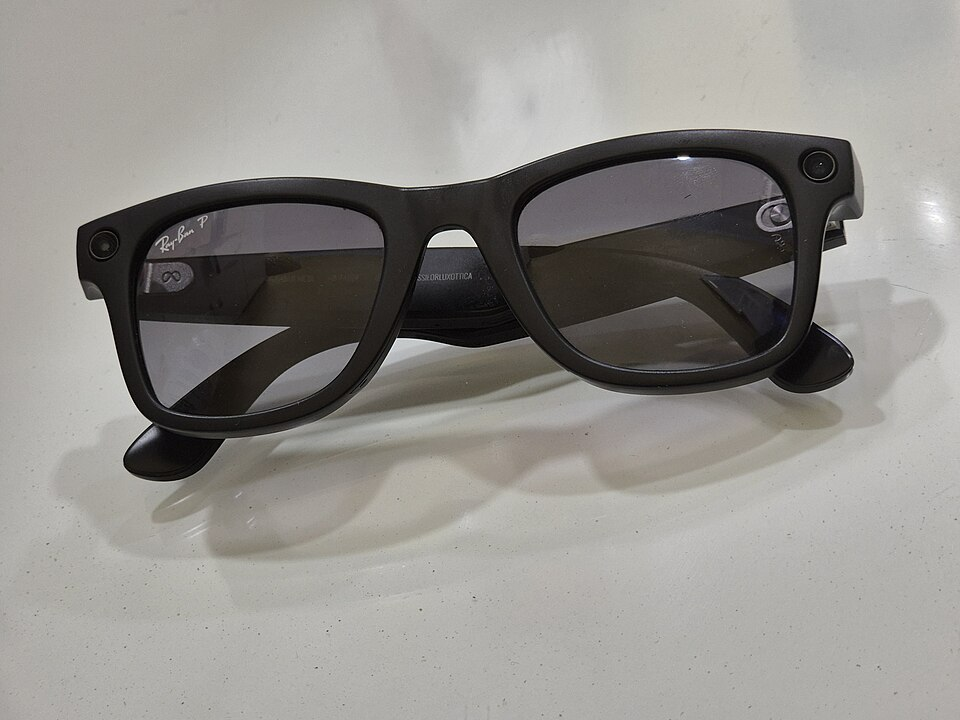
Smart glasses are becoming more common in public spaces, allowing wearers to make calls, use AI and record photos or videos without holding a phone. But the growing use of devices such as Meta’s AI glasses is raising questions about consent and privacy as venues and campaigners respond to the ease of hands-free recording.
Meta says more than seven million pairs of its glasses have been sold. The frames, developed with Ray-Ban, contain a small camera that users can activate by touch, while a white capture light signals when photos or video are being recorded.
Meta says the camera automatically stops working if the capture light is covered or physically tampered with. The company explains the safeguard and other privacy measures in an official guide to its AI glasses.
Venues and Campaigners Raise Recording Concerns
UK pub operator Wetherspoons, which runs almost 800 locations, has banned customers from using smart glasses to film inside its premises. Comic Con Northern Ireland operator Monopoly Events has also banned the glasses at its events because of concerns about discreet recording.
Women’s rights campaigners have raised particular concerns about harassment and consent. Elaine Crory of the Women’s Resource and Development Agency said people can usually recognise when somebody is filming with a phone or conventional camera, but may not realise when smart glasses are recording them.
In Northern Ireland, filming people in public is generally lawful because there is usually no reasonable expectation of privacy. Existing offences can still apply when recording amounts to harassment, stalking, voyeurism or activities such as upskirting.
Content creator Pearse Vallely uses Meta glasses to film short interactions with people around Belfast, with one TikTok video reaching about 600,000 views. Vallely said he does not publish clips when somebody objects and tries to inform people after recording where possible.
Meta itself advises wearers to ask permission before capturing people and to avoid recording in sensitive locations where privacy is expected. Those recommendations form part of its responsible-use guidance for AI glasses.
Smart Glasses Also Offer Accessibility Features
The same technology has uses beyond social media recording. Belfast optometrist Geoff McConville said visually impaired customers use features such as text-to-speech to read newspapers and signs through AI.
Meta has also promoted the glasses as accessibility tools for people who are blind, have low vision or are hard of hearing. Its accessibility demonstration for AI glasses highlighted functions including hands-free assistance, real-time translation, messaging and help interpreting a user’s surroundings.
Instagram head Adam Mosseri has said content that takes advantage of or harasses people can be removed from the platform. As wearable cameras become easier to use, individual venues are meanwhile setting their own rules on where and when recording through smart glasses is acceptable.
Featured image credits: Wikimedia Commons
For more stories like it, click the +Follow button at the top of this page to follow us.