

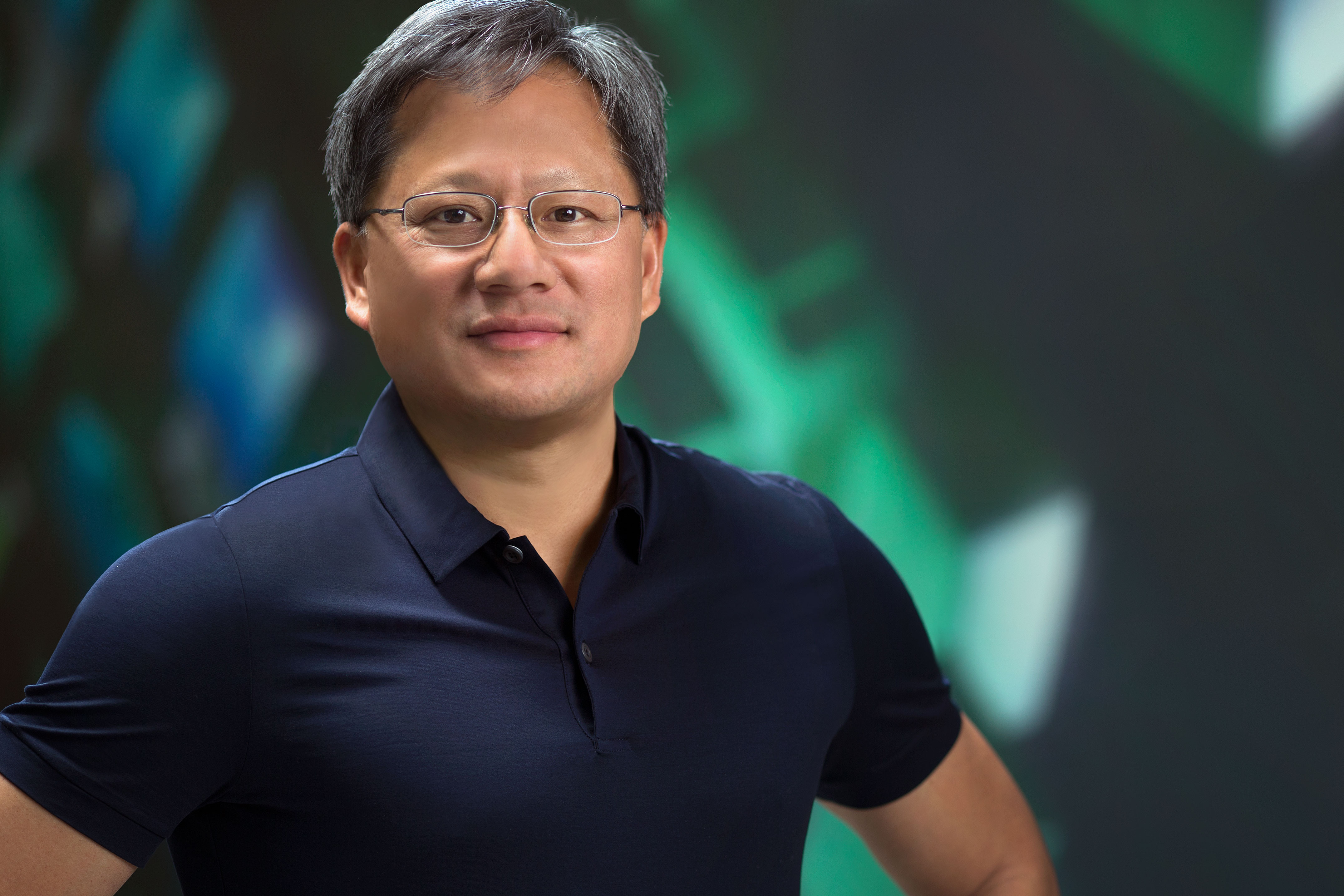
Nvidia has secured agreements across Japan’s AI, robotics and manufacturing sectors following Chief Executive Jensen Huang’s two-day visit to Tokyo on July 15 and 16. The projects include a national AI computing facility, cooperation with major industrial robot makers and expanded use of Nvidia technology in Japanese vehicles and factories.
Huang met executives from companies including Toyota, Fanuc, Yaskawa Electric, Fujitsu and Kawasaki Heavy Industries. He also met leaders from Japanese semiconductor suppliers, including Kioxia and Tokyo Electron.
Noetra Plans National AI Factory
Nvidia said in its official announcement that government-backed Noetra will establish a Vera Rubin AI factory for Japan’s FRONTia Project. The 140-megawatt facility will use 13,750 Vera CPUs and 27,500 Rubin GPUs, with operations expected to begin in June 2028.
Noetra’s investors include Sony, SoftBank, NEC and Honda. Construction is expected to begin in April 2027, while Japan could provide up to ¥1 trillion, or about $6.2 billion, over five years for the wider physical AI programme.
The facility will train open multimodal foundation models for robots, AI agents and industrial simulations. Noetra plans to begin with a reasoning model focused partly on Japanese-language capabilities, followed by models that process text, images, video and audio.
Robot Makers Adopt Nvidia Technology
Fanuc, Yaskawa, Kawasaki Heavy Industries and Fujitsu are among the companies working with Nvidia on physical AI. The systems are intended to help robots interpret their surroundings and adapt their actions instead of relying only on fixed programming.
Other participants named in the initiative include Hitachi, NEC, Sony, SoftBank, Kubota, Honda R&D and Omron. Some companies are testing shared robot-control systems, while others plan to use Nvidia’s Cosmos models and Jetson computing platform.
Huang said Japan’s manufacturing experience placed it in a strong position to develop industrial AI. The first phase of the robotics collaboration is expected to begin later in 2026, although the companies have not announced a timetable for commercial deployment.
Toyota Extends Nvidia Use
Toyota previously selected Nvidia’s DRIVE AGX Orin and DriveOS systems for its next-generation vehicles. The platform will support advanced driver-assistance functions that can steer and brake while still requiring human supervision, according to Nvidia’s vehicle partnership announcement.
Toyota is also using AI simulation and computing tools for vehicle development, road analysis and production planning. The work extends Nvidia’s role from in-vehicle systems into manufacturing operations.
Japan’s AI Robotics Strategy targets the introduction of about 10 million robots across 18 sectors by 2040. The government also aims to secure more than 30% of a global AI robotics market it values at about $133 billion.
Featured image credits: Wikimedia Commons
For more stories like it, click the +Follow button at the top of this page to follow us.