

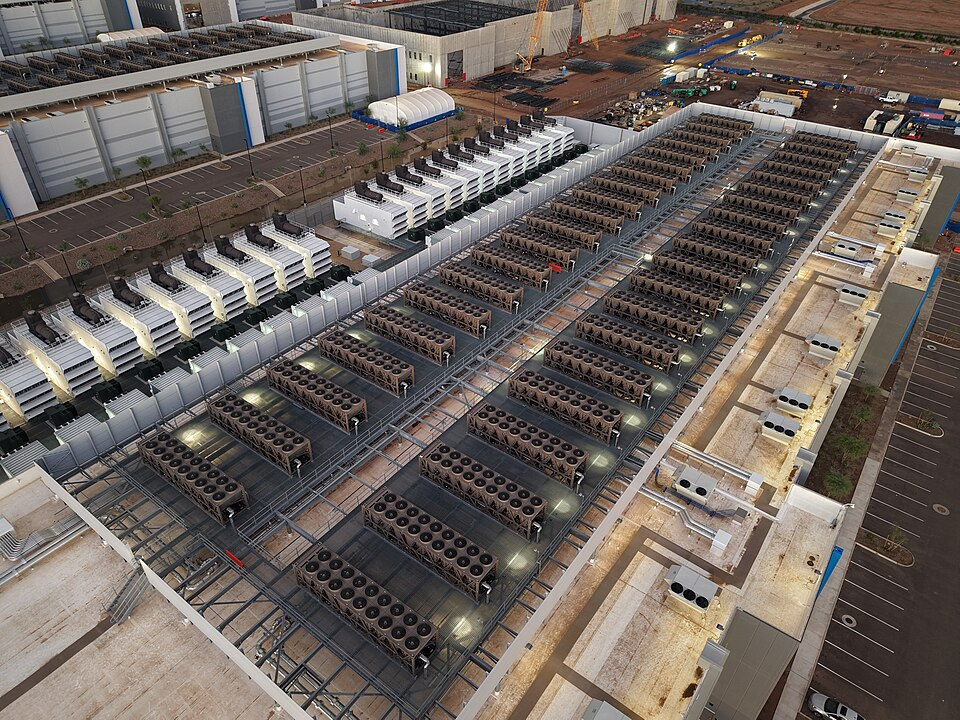
Rising electricity demand from artificial intelligence data centers is increasing pressure on the aging US power grid, prompting energy technology companies to develop new approaches to power distribution and infrastructure expansion. At TechCrunch Disrupt in October 2026, executives from WeaveGrid, Veir and Rewiring America discussed how growing demand could accelerate grid modernization while raising concerns about electricity costs and reliability.
The rapid expansion of AI infrastructure is adding substantial new electrical loads to a system already accommodating electric vehicles, heat pumps and renewable energy installations. Industry observers have warned that increasing demand could contribute to higher utility bills, infrastructure congestion and potential power disruptions if grid capacity fails to keep pace.
WeaveGrid Focuses on Managing Electricity Demand
WeaveGrid founder and CEO Apoorv Bhargava said utilities are managing increasingly complex electricity networks as new technologies change when and how consumers use power. Electric vehicles, data centers and household electrification are creating additional demands that require more sophisticated coordination across existing infrastructure.
WeaveGrid develops software that helps utilities manage electricity consumption and coordinate demand from connected devices, particularly electric vehicles. Bhargava said better load management could help utilities use existing grid capacity more efficiently while reducing electricity costs for customers.
Rather than relying entirely on new infrastructure, the company’s approach focuses on coordinating when electricity is consumed. This can help utilities manage peak demand and accommodate additional connections without immediately requiring extensive physical upgrades.
Veir Develops Superconducting Cables for Power Infrastructure
Veir is developing superconducting power transmission systems designed to transfer large amounts of electricity more efficiently than conventional cables. The company claims its technology can carry electricity five times farther while requiring approximately 20 times less physical space than traditional infrastructure.
Veir CEO Tim Heidel said growing investment in AI infrastructure is accelerating the development and adoption of technologies that could improve electricity delivery. The company raised $110 million in Series C funding on October 8 to support the commercialization of its superconducting systems for AI data centers.
The funding round was co-led by Matter Venture Partners and Tyche Partners, bringing Veir’s total capital raised to $225 million. Heidel said adopting new transmission technologies could help data centers accommodate rising electricity requirements while reducing pressure on surrounding communities.
Rewiring America Calls for Expanded Grid Investment
Kristin Eberhard, vice president of policy at Rewiring America, said growing demand from AI infrastructure has increased the urgency of modernizing electricity networks. Her organization advocates household electrification and policies supporting the transition toward electric heating, transportation and other residential technologies.
Eberhard emphasized that grid modernization requires a combination of new transmission lines, centralized power generation and better use of existing energy resources. She said rising demand has also encouraged companies and policymakers to consider technologies that previously received less attention.
During the discussion, Eberhard described the current period as one in which energy companies are increasingly willing to test different approaches to electricity generation and distribution. She argued that infrastructure expansion should proceed alongside efforts to improve efficiency and coordinate demand across the existing grid.
Featured image credits: Wikimedia Commons
For more stories like it, click the +Follow button at the top of this page to follow us.