

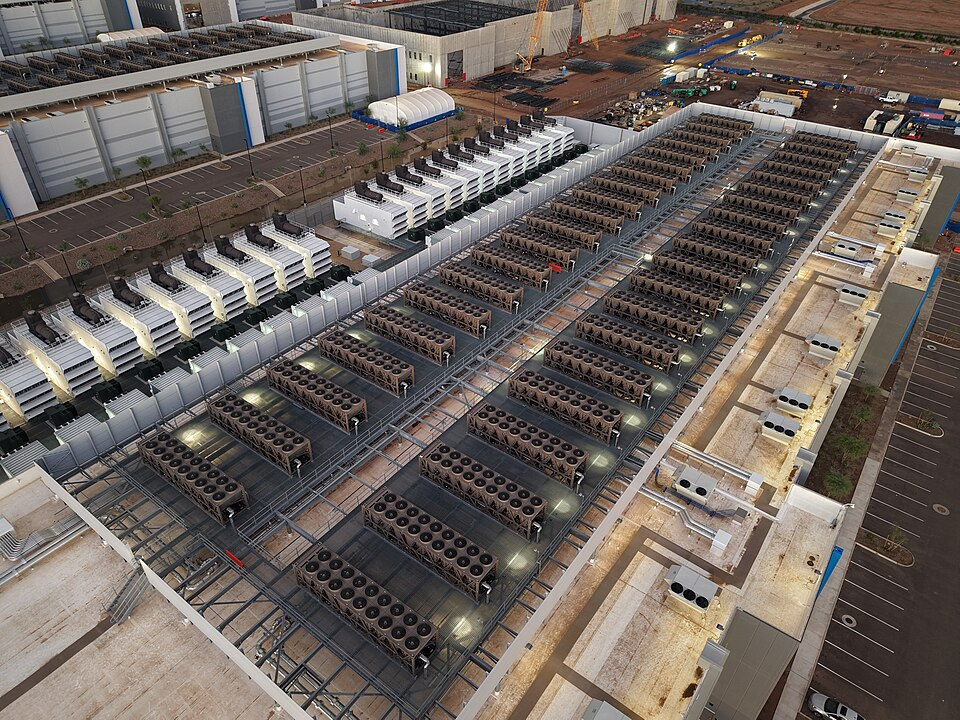
Meta president Dina Powell McCormick has warned that building new data centers in the United States could become more difficult following Democratic victories in the November 3, 2026, midterm elections. Speaking at the WSJ Tech conference on November 4, she acknowledged growing opposition to AI infrastructure projects and said technology companies needed to better communicate their benefits to local communities.
During the conference interview, Powell McCormick said public resistance to data centers reflected wider concerns about artificial intelligence. She argued that companies must demonstrate how their investments benefit residents through employment opportunities, public services, and access to technology.
Meta Acknowledges Growing Opposition to Data Centers
Powell McCormick said data centers had become a visible representation of AI development, making them a focus for communities concerned about the technology’s effects. Opposition to new facilities featured in several election campaigns, with voters raising concerns over electricity consumption, environmental impacts, and infrastructure costs.
The Meta executive acknowledged that the technology industry had not sufficiently explained the benefits of its infrastructure investments. She said future projects would likely face greater scrutiny from elected officials seeking stronger community protections.
Meta has been developing data centers for approximately 20 years and currently operates facilities across 23 U.S. states, according to Powell McCormick. Five of its planned projects, including one in Texas, are designed to support computing capacities of at least one gigawatt.
Meta Outlines Conditions for Community Support
Powell McCormick described several practices Meta considers important when negotiating data center developments with local governments. These include covering the company’s own electricity expenses, employing local workers, and directing additional tax revenue toward public services such as education and emergency response.
She also emphasized securing support from both major political parties and demonstrating measurable economic benefits for surrounding communities. According to Powell McCormick, projects following these approaches have a better chance of receiving local approval.
The executive said one newly elected governor who had campaigned on data center restrictions had already expressed interest in discussing a proposed investment after taking office. She suggested that communities could remain receptive to developments when economic benefits and infrastructure responsibilities were clearly established.
AI Infrastructure Investment Remains a Priority
Meta continues investing in computing infrastructure to support its artificial intelligence products, including the Muse consumer AI agent. The company recently reported that Muse had surpassed 10 million users, with ambitions to expand its audience substantially.
Powell McCormick also discussed potential revenue opportunities from leasing computing capacity to other companies. She said Meta was receiving inquiries about renting its infrastructure, providing a possible commercial use for capacity beyond its own AI services.
The executive maintained that Meta’s infrastructure investments could retain value even if consumer adoption of its AI products developed differently from expectations. However, she acknowledged that future construction projects would increasingly depend on regulatory approval and acceptance from affected communities.
Featured image credits: Wikimedia Commons
For more stories like it, click the +Follow button at the top of this page to follow us.