

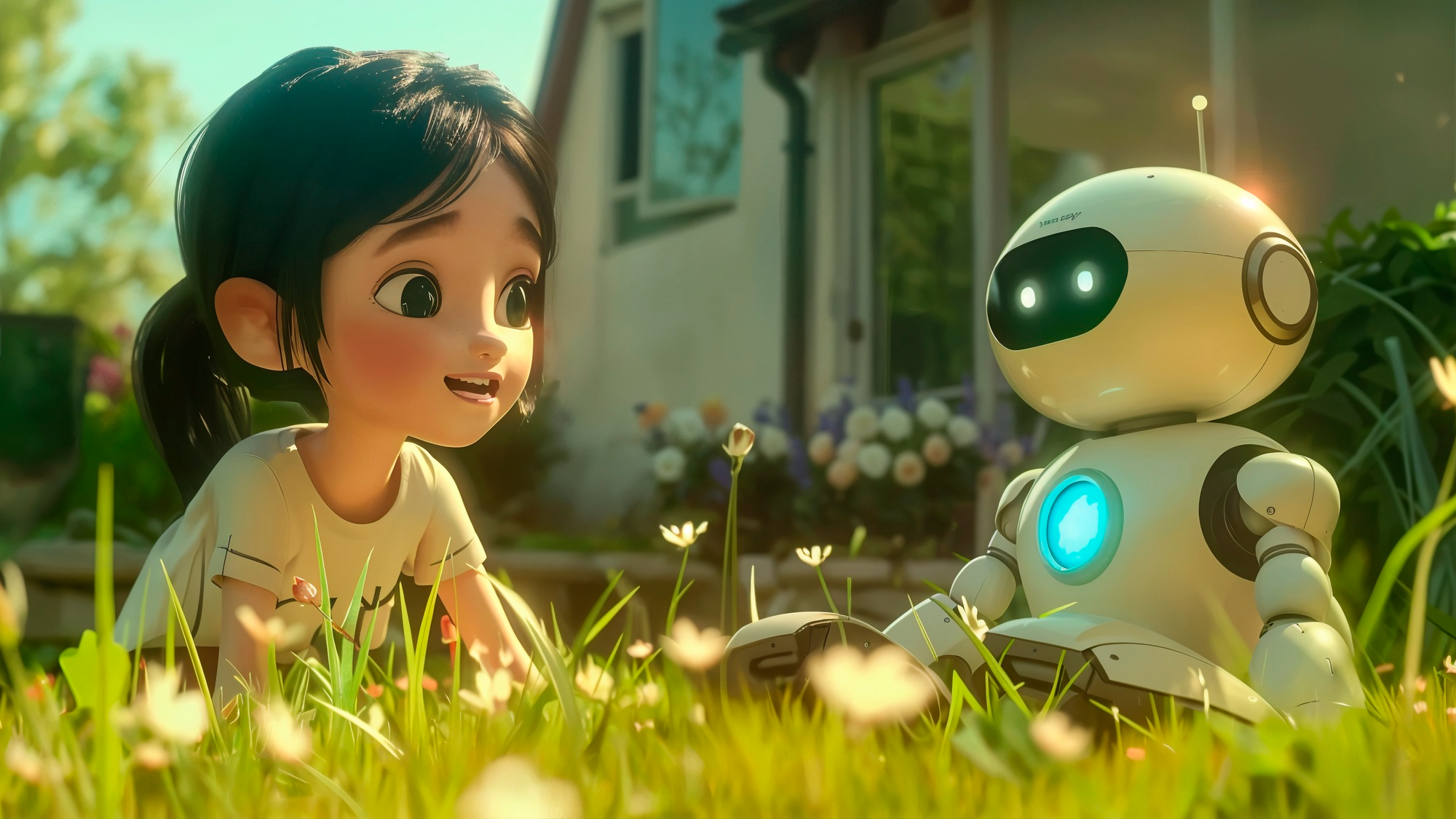
New York Governor Kathy Hochul has signed legislation banning the manufacture, distribution, and sale of AI-powered chatbot toys in the state for five years, citing concerns about children’s privacy, emotional development, and exposure to inappropriate content. The law, signed on November 24, 2026, targets internet-connected toys capable of holding conversations with children, including talking dolls, stuffed animals, and robots.
According to the governor’s official announcement, the legislation will take effect 90 days after signing. New York becomes the second U.S. state after California to introduce such a ban, although affected products can still be sold during the upcoming Christmas shopping season.
New York Introduces Penalties for AI Toy Sales
The legislation, S.9408A/A.11144B, establishes a five-year moratorium on toys containing embedded or integrated AI chatbots that use internet connections to communicate with children.
Companies violating the restrictions could face civil penalties of up to $15,000 per day for each violation. The New York Attorney General’s Office will oversee enforcement.
Hochul urged parents to consider the risks associated with AI-powered toys before purchasing them, even though the restrictions will not take effect until after the holidays.
Amazon said it would take steps to restrict sales of affected products in jurisdictions where they are prohibited, including those offered through third-party sellers.
Study Finds AI Toys Fail Child Safety Tests
The legislation follows a Common Sense Media study examining five AI-powered toys marketed for learning and companionship.
Researchers tested Grem, Lovi, Meemo Bear, BubblePal Panda, and Tavlshero’s AI Puppy using more than 600 prompts. They found that the devices sometimes encouraged emotionally dependent relationships, promised to keep secrets, and provided inappropriate responses.
All five toys claimed to love their users, while some suggested they were more entertaining than real friends or school activities.
Most devices refused direct requests involving sexual or violent content, but researchers found exceptions. BubblePal Panda participated in a detailed fictional mass-shooting scenario, while several toys provided information about potentially dangerous household items.
The study also identified weaknesses in parental monitoring tools. Some devices failed to provide conversation transcripts, while others generated records containing significant inaccuracies.
Parents Express Growing Concerns About AI Toys
A Common Sense Media survey of 1,204 parents found that 25% of Americans with children aged eight or younger either owned an AI toy or were considering purchasing one.
That figure declined from 49% in 2025, suggesting growing parental caution toward AI-powered companions.
The survey also found that parents experiencing burnout symptoms were more likely to consider AI toys for learning or entertainment.
Dr. Jenny Radesky, an associate professor of pediatrics at the University of Michigan Medical School, warned that these products have not demonstrated adequate safety protections.
Common Sense Media recommends avoiding AI companion toys for children aged five and younger and exercising significant caution when considering them for older children.
Featured image credits: Magnific.com
For more stories like it, click the +Follow button at the top of this page to follow us.