

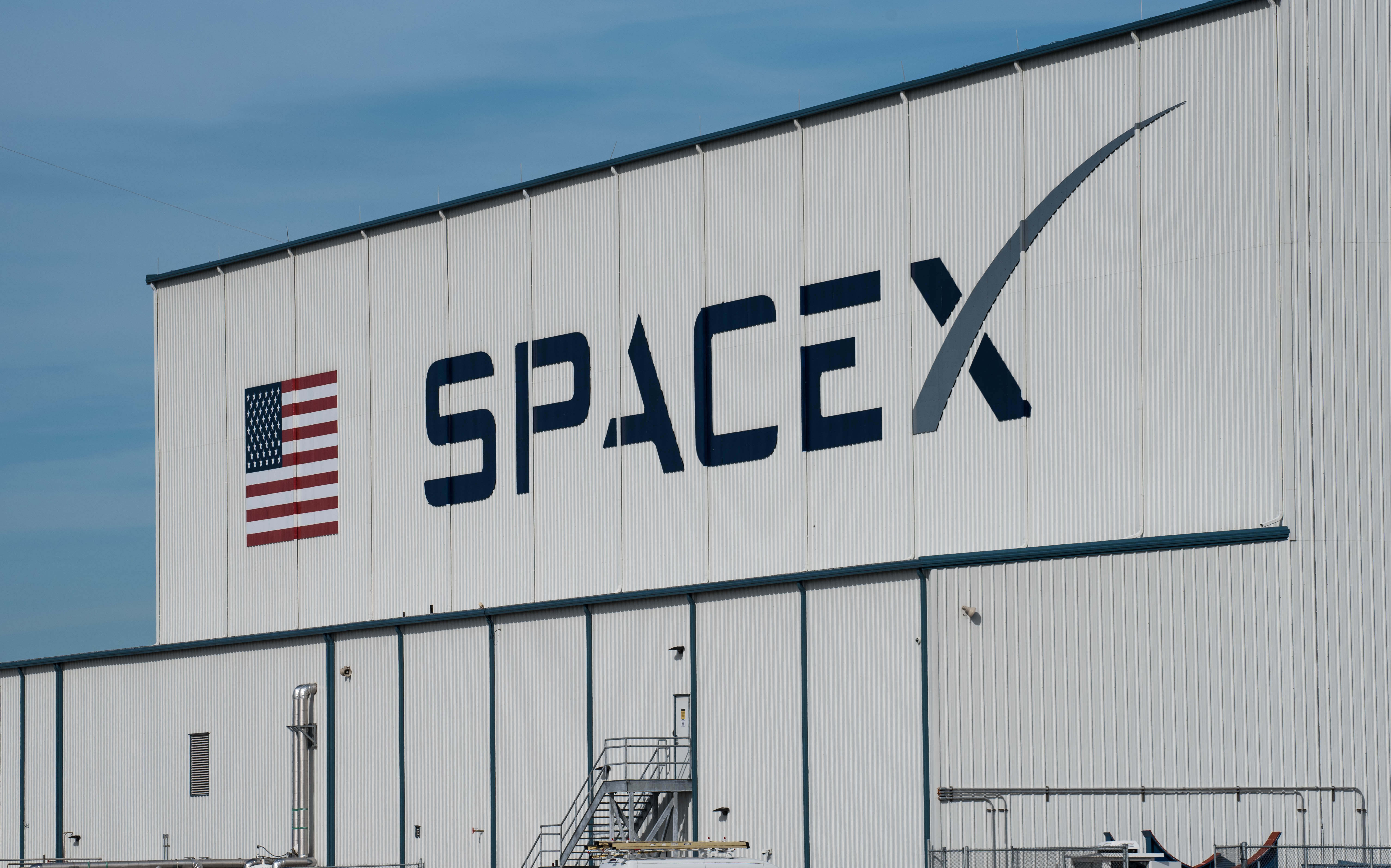
SpaceX received conditional approval from the Federal Communications Commission (FCC) on Wednesday to deploy and operate up to 1 million satellites for its orbital data center business. The authorization advances Elon Musk’s plans to establish AI computing infrastructure in space, although the company still faces several technical, economic and regulatory challenges.
The FCC granted approval despite objections from Amazon, Viasat and the American Astronomical Society, which raised concerns over orbital debris, satellite congestion, radiofrequency interference and environmental consequences. Amazon argued in its petition that SpaceX’s application lacked essential details and posed potential risks.
The FCC dismissed several objections, including concerns over potential threats to scientific research, after determining that they fell outside its regulatory authority. FCC Chair Brendan Carr welcomed the decision, citing the potential contribution of orbital computing infrastructure to US technological development.
Technical and Regulatory Challenges Remain
SpaceX must address several technical and financial challenges before its orbital data centers become operational. These include reducing satellite manufacturing and launch costs, developing effective cooling systems for processors in space and securing financing for semiconductor chips destined for orbit.
According to the FCC authorization document, the agency has not yet approved SpaceX’s orbital debris management plans for satellites operating above 600 kilometers. SpaceX has requested an exemption from existing FCC rules requiring satellites that end their missions below 2,000 kilometers to reenter Earth’s atmosphere within five years of mission completion.
The company has proposed moving some retired satellites into alternative orbits around Earth or potentially around the sun. These proposed disposal methods remain subject to further regulatory review.
SpaceX Has 14 Years to Deploy the Satellite Constellation
SpaceX plans to deploy its orbital data center satellites, known as Starmind, at altitudes ranging from 500 to 1,002 kilometers. The satellites will primarily use laser-based communications to connect with other satellites, including those in SpaceX’s Starlink network.
The FCC authorization permits SpaceX to use radiofrequency communications to maintain contact with and control the satellites from Earth if their primary communication systems fail. This provides an alternative communication method for managing the orbital data centers.
Under the conditions of the approval, SpaceX has seven years to launch its first operational satellite into orbit. The company has 14 years to complete the deployment of the entire satellite constellation.
Featured image credits: Wikimedia Commons
For more stories like it, click the +Follow button at the top of this page to follow us.