

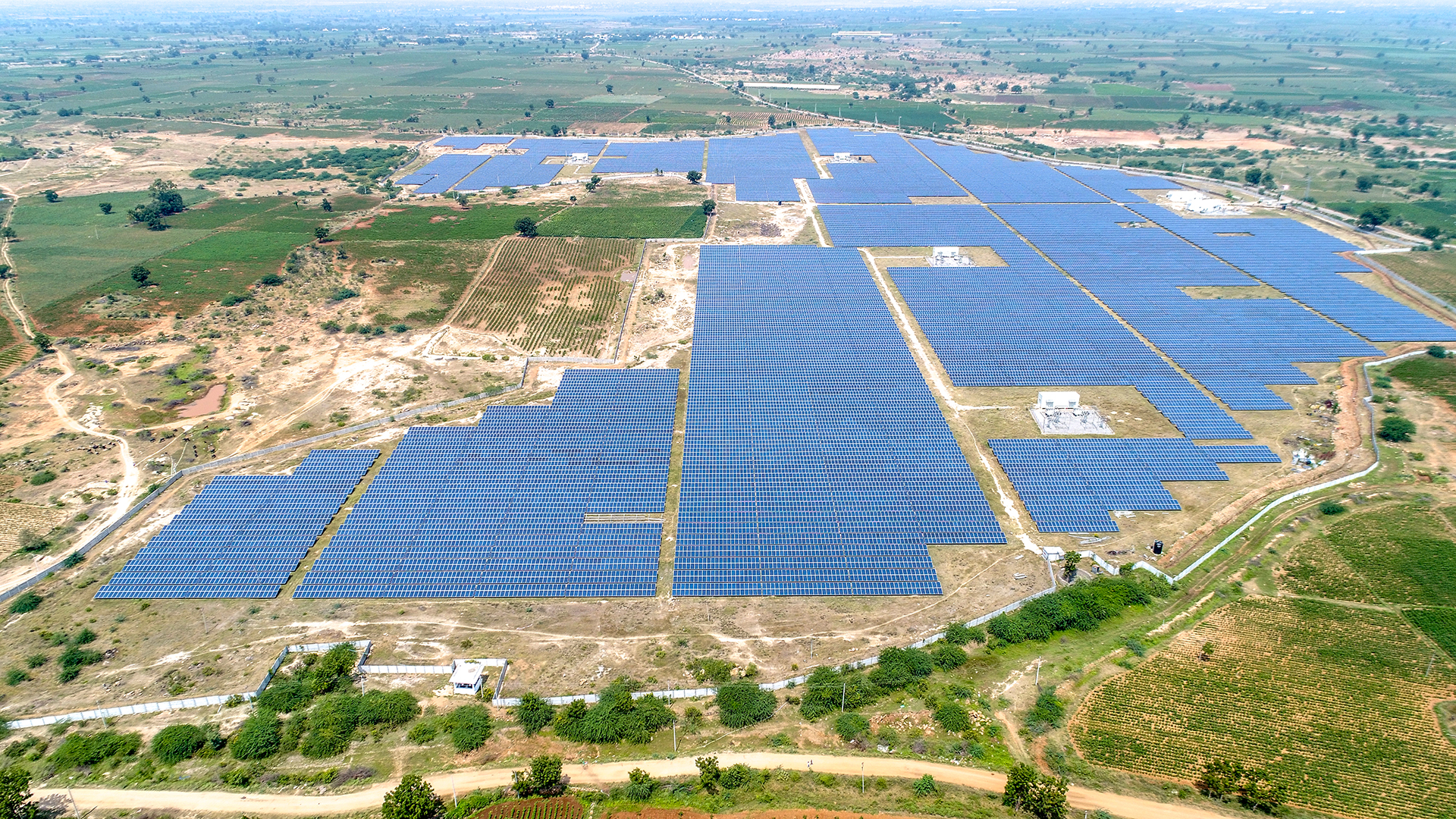
Overview Energy has emerged from stealth with a proposal to turn existing solar farms into nighttime receivers for power transmitted from space, outlining a system that would collect sunlight in orbit and beam energy to Earth using infrared lasers.
Company’s Concept for Space-Based Energy Transmission
The startup plans to deploy large solar arrays in geosynchronous orbit, about 22,000 miles above Earth, where satellites remain fixed relative to the planet’s rotation. These arrays would gather sunlight continuously and convert the harvested energy into infrared laser beams directed toward utility-scale solar farms. Those solar farms would then deliver electricity to the grid nearly around the clock.
Overview has raised $20 million to date. Part of that funding supported an airborne demonstration in which a light aircraft successfully transmitted power via laser to a ground receiver over a distance of 5 kilometers (3 miles). Investors include Aurelia Institute, Earthrise Ventures, Engine Ventures, EQT Foundation, Lowercarbon Capital and Prime Movers Lab.
Technical Hurdles and Competing Approaches
Declining launch costs over the past decade have made space-based solar concepts more viable, but major challenges remain. Sending solar panels into orbit is still far more expensive than deploying them on Earth, and wireless power transmission from space is at an early stage. Other companies are pursuing similar concepts. Aetherflux is working on a laser-based system, while Emrod and Orbital Composites/Virtus Solis are developing microwave approaches.
Microwave systems are less affected by clouds and humidity, whereas infrared lasers cannot operate in cloudy conditions because atmospheric water droplets absorb the energy. However, microwave-based systems cannot rely on existing solar farms and would require dedicated ground stations. Those stations would likely need small, highly concentrated receivers, meaning more powerful beams and additional safety controls to prevent harm to aircraft and wildlife.
Overview’s approach of reusing solar farms could reduce the need for new infrastructure but would still require public confidence that its beams are safe and will not drift off target. The company must also ensure high system efficiency to avoid losing most of the collected energy during conversion to infrared light and back again.
Timelines and Market Context
Overview says it plans to launch a satellite into low Earth orbit in 2028 as an initial test. Its goal is to begin transmitting power from geosynchronous orbit in 2030, delivering output at the scale of megawatts. The company’s roadmap places it in competition not only with other wireless power firms but also with grid-scale batteries, which have been falling in cost, and emerging fusion technologies.
Featured image credits: Wikimedia Commons
For more stories like it, click the +Follow button at the top of this page to follow us.