

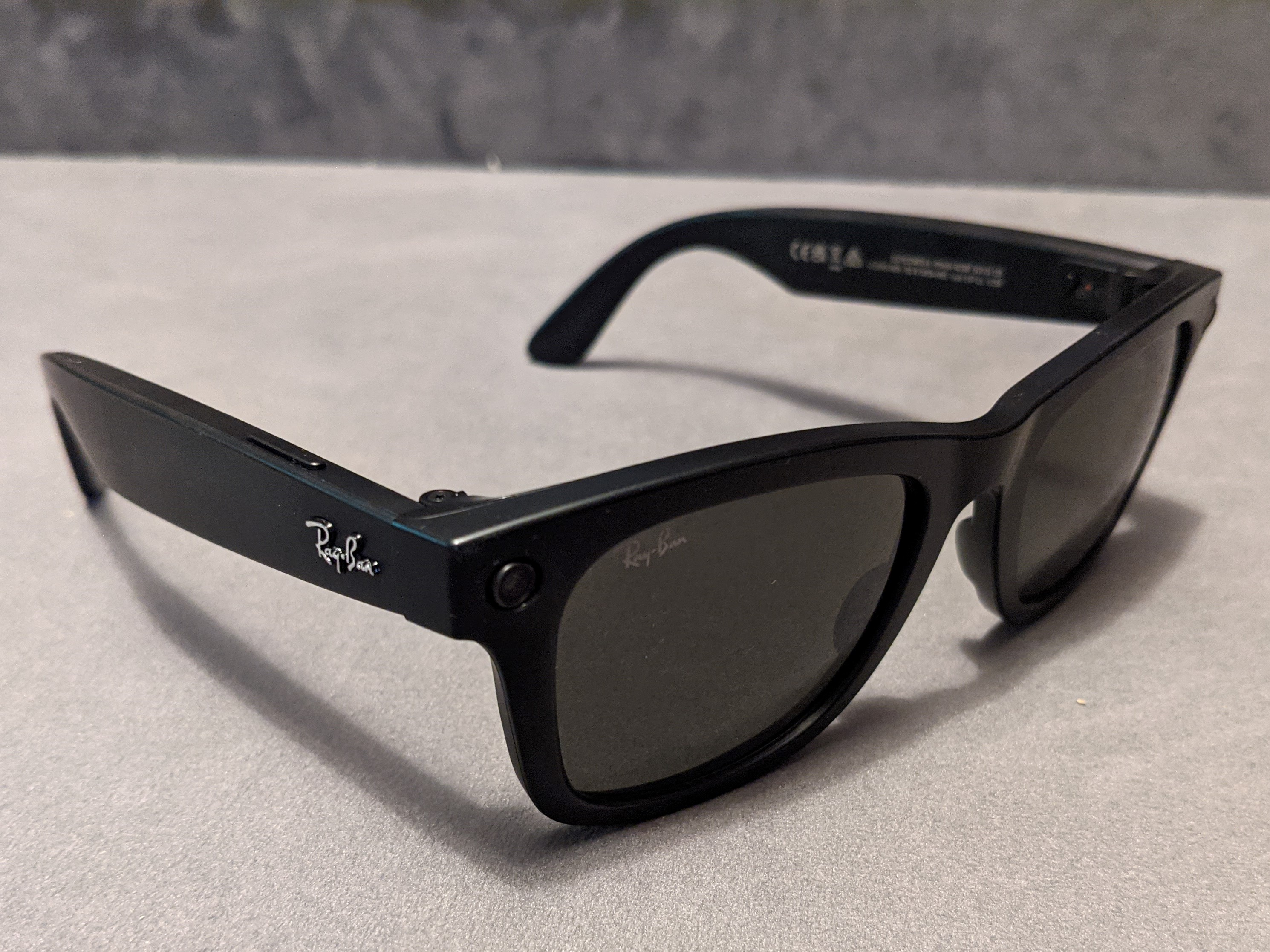
Meta says its AI glasses will disable the camera if the device detects that the capture LED has been blocked, modified or damaged. The update is meant to prevent people from recording photos or videos while hiding the light that signals recording is taking place.
The safeguard applies to Meta’s second-generation glasses and newer models. Meta said no photos or videos can be taken until the system detects that the capture light is working and visible again.
The update comes as Meta’s AI glasses face growing scrutiny over privacy. The devices can take photos, record video and use AI features from a camera worn on a person’s face, raising concerns that they could be used to record people without consent.
Meta Responds to LED Tampering
Meta said it had already built protection against people covering the LED. The company is now targeting more advanced attempts to modify or destroy the light entirely.
The company said some users had tried to bypass the privacy indicator through physical tampering. It has also removed thousands of ads and marketplace listings that promoted services or tools for disabling the LED.
Meta described the new safeguard as an industry-leading step. However, the need for the feature also shows that some people were actively trying to turn the glasses into more discreet recording devices.
The company has tried to reassure the public by saying photos and videos captured on the glasses are visible only to the wearer unless they choose to share them. Still, Meta’s wider AI strategy has made privacy advocates skeptical.
AI Strategy Raises Broader Data Questions
Meta’s privacy policy says images shared with Meta AI may be used to improve its AI models. That means content captured or shared through AI features can become part of the company’s broader AI development pipeline.
The company is also expanding AI features that rely on personal content. Meta recently said its AI can use public Instagram photos to generate AI images unless users opt out, and it has tested features that use images from a person’s camera roll before they are shared.
Reports have also said Meta is exploring future AI glasses that could continuously collect audio and take photos every few seconds. The Financial Times reported that such prototypes are being considered as part of Meta’s push to build always-on AI assistants.
That direction keeps the company in a difficult position. Meta wants smart glasses to feel useful, social and mainstream, but the most powerful AI features often require more data from users and the people around them.
Trust Remains a Challenge for Meta
Meta’s privacy record makes the rollout harder. The company is still associated with past scandals such as Cambridge Analytica, and it has faced repeated criticism over child safety, data collection and AI training practices.
Its smart glasses have also drawn legal and labour-related scrutiny. One lawsuit followed allegations that outsourced workers in Kenya viewed disturbing content while helping train Meta’s AI on videos from Meta AI glasses.
The LED safeguard is a necessary privacy feature, especially as camera-equipped glasses become more common. But it does not resolve the larger concern around how Meta collects, processes and uses images, audio and personal data.
For consumers, the issue is no longer just whether a recording light is visible. It is whether Meta can convince people that face-worn AI cameras will not become another way to normalize constant data collection.
Featured image credits: Wikimedia Commons
For more stories like it, click the +Follow button at the top of this page to follow us.