

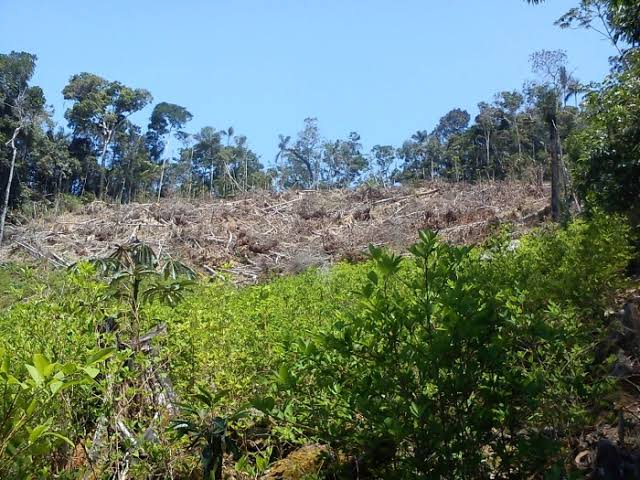
Colombia’s efforts to move farmers away from coca cultivation have struggled to provide lasting legal incomes. Delayed assistance, poor infrastructure, armed-group activity and international demand for cocaine have pushed some families back to the crop.
Coca cultivation reached a record 253,000 hectares in 2023, according to the United Nations Office on Drugs and Crime. Colombia is estimated to produce about 70% of the world’s cocaine supply.
Farmers Return to Coca
Perea removed the coca bushes from his small farm in a remote part of Meta after joining a government substitution programme. He planted cassava and plantain but faced recurring floods, poor transport links and difficulty selling his produce.
Much of the promised assistance never arrived. In 2024, he began growing coca again.
“It’s a tragedy,” Perea said. “But when you have children and no work, what choice do you have?”
Coca can be harvested three or four times a year, is easier to transport than many legal crops and provides more predictable prices. Research involving Colombian researcher Lucas Marín Llanes found that cultivation increased municipal gross domestic product by as much as 10% in some areas between 2014 and 2019.
Promised Support Falls Behind
The National Comprehensive Programme for the Substitution of Illicit Crops, known as PNIS, was created after Colombia’s 2016 peace agreement with Farc. Around 100,000 families joined the programme after its nationwide introduction in 2017.
Each household was promised 36 million Colombian pesos, about $11,000 or £8,000, over two years. Farmers were also expected to receive agronomy support and soil-management advice.
Some coca fields in Meta and Guaviare were replaced with lemon trees, banana crops and livestock farms. Participants, however, reported delayed payments, poor government coordination and limited technical support.
Elena Hernández stayed away from coca after joining PNIS but said many commitments were not fulfilled. Political support weakened after Iván Duque became president in 2018 and shifted attention towards eradication and security.
Some Communities Report Progress
Doralba Bejarano, from Puerto Rico in southern Meta, said delayed assistance eventually reached her community. She previously feared arrest for possessing coca paste, a concentrated product used to make cocaine.
Bejarano said she can now travel without hiding her work. Farmers in her community are also receiving help to market legal crops and other food products.
New Programme Targets Local Economies
The Agencia de Renovación del Territorio began introducing RenHacemos in pilot areas to address problems identified under PNIS. An official government announcement said the programme would support the transition from illicit crops to legal economic activities.
Assistance includes financial support, road improvements, university access, digital connectivity and housing. The programme also covers activities surrounding coca production, including processing, transport and logistics.
Perea remains doubtful that assistance will reach his community. He said he continues growing coca because he has no other reliable way to support his family.
Featured image credits: cstobie via Easyscape
For more stories like it, click the +Follow button at the top of this page to follow us.