

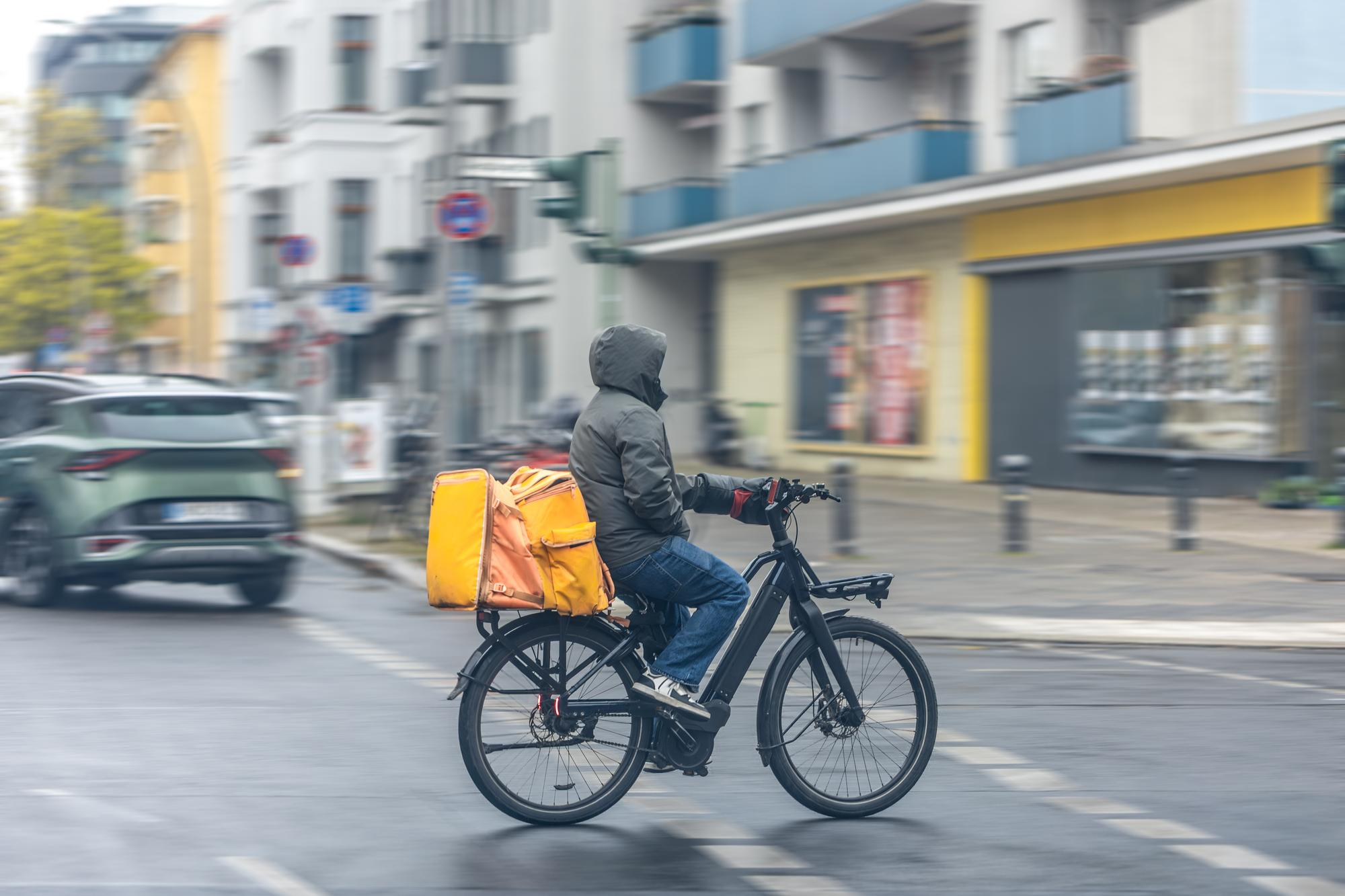
South Korea’s overnight delivery industry is facing renewed scrutiny over the health risks carried by warehouse staff and drivers who keep the country’s early-morning services running. The debate centres on whether customer convenience and higher wages justify schedules that workers and families say can cause lasting physical harm.
Park Mi-suk has campaigned for tighter restrictions since her 27-year-old son, Jang Deok-jun, died of a heart attack in 2020. South Korea’s state-run workers’ compensation agency concluded after an investigation that his death was related to overwork.
Mother Campaigns Against Overnight Work
Jang worked overnight shifts at a warehouse operated by Coupang, South Korea’s largest online retailer. His mother said he lost 15kg during more than a year at the facility and regularly complained of exhaustion.
Records obtained during the compensation process showed that his schedule met South Korea’s standard for assessing deaths linked to excessive work. Overnight hours were given additional weight because of their greater effect on workers’ health.
Between 2020 and May 2026, the Korea Workers’ Compensation and Welfare Service classified 46 deaths among warehouse and delivery workers from heart disease or stroke as work-related. The figures do not establish how many of those employees regularly worked overnight or how many cases involved formal findings of overwork.
Drivers Say Night Work Offers Higher Pay
Overnight delivery has become widely used in South Korea, where some retailers promise that orders placed before midnight will arrive by 7 a.m. Drivers can earn substantially more than the national average, making the shifts attractive to people supporting children, elderly parents or other family members.
One subcontracted Coupang driver said he worked from 9 p.m. until 7 a.m., five or six days each week, while being paid according to the number of packages delivered. He acknowledged the physical impact but said the higher income made the arrangement worthwhile.
South Korea generally caps weekly working time at 52 hours, consisting of 40 regular hours and up to 12 hours of overtime. Coupang says directly employed drivers work five-day schedules within that limit and receive health checks and paid support through its Coupang Care programme.
The company also says it pays for health examinations for direct employees and some delivery partners. Labour representatives argue that protections may be harder to enforce for subcontracted workers whose schedules are controlled by outside logistics providers.
Research Links Night Shifts to Health Risks
The International Agency for Research on Cancer classifies night-shift work as probably carcinogenic to humans. Its assessment cites evidence involving breast, prostate, colon and rectal cancers, along with disruption to the body’s normal sleep and circadian cycles.
Occupational health researchers have also linked long-term night work with higher risks of cardiovascular disease, diabetes and mental health problems. South Korean delivery unions have called for restrictions on overnight services, while a separate union representing Coupang drivers says most of its members prefer night shifts because they pay more.
The dispute has reached South Korea’s parliament and prompted investigations into whether companies supplied complete records in worker-death cases. Coupang denies concealing evidence and says it has cooperated with government inquiries.
Park continues to argue that the true cost of overnight convenience remains largely hidden from customers. She wants stronger rules to ensure workers do not have to choose between higher earnings and protecting their long-term health.
Featured image credits: Magnific.com
For more stories like it, click the +Follow button at the top of this page to follow us.