

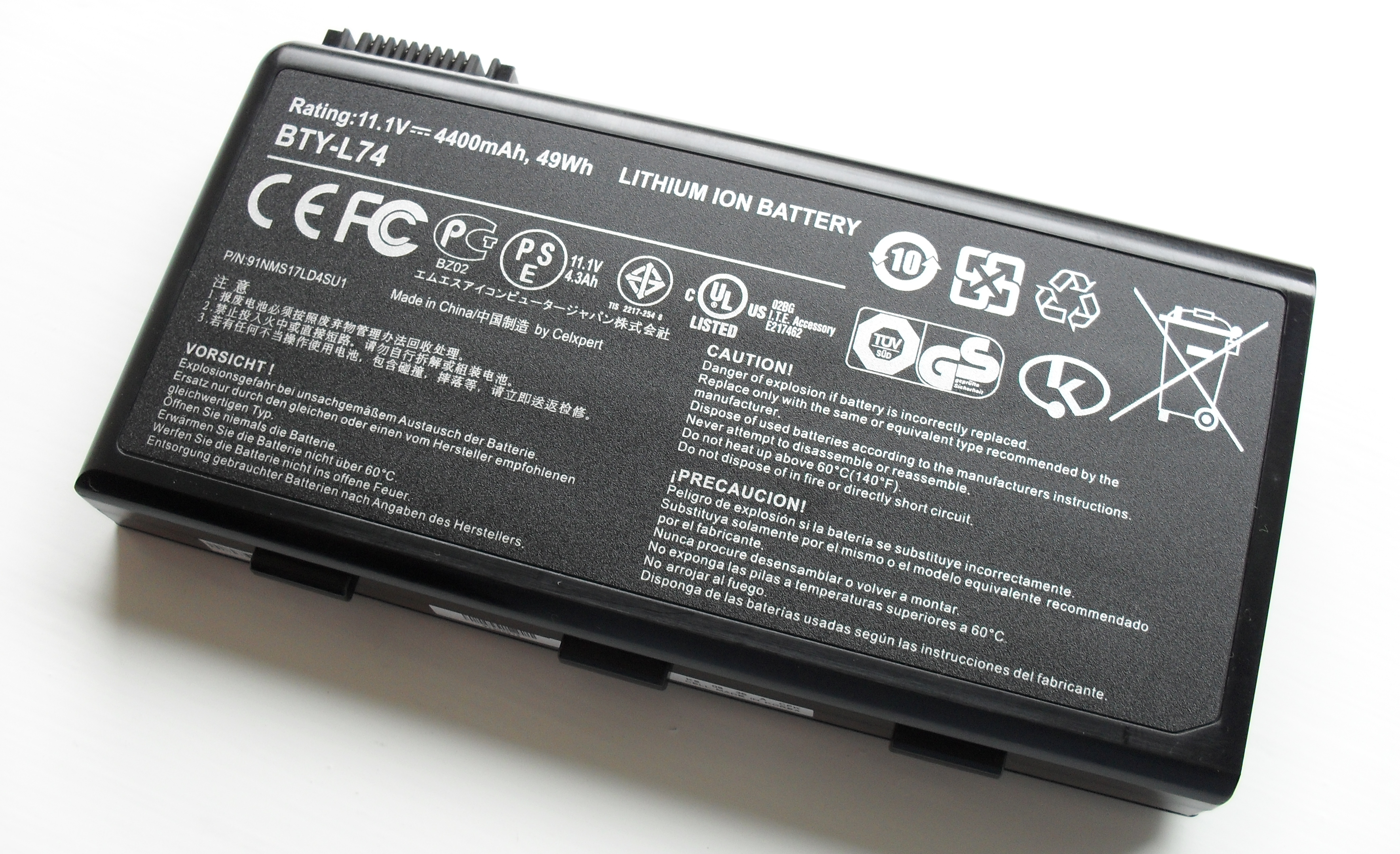
Airlines and aviation regulators are increasing warnings about lithium-ion batteries as more passengers travel with power banks, phones, laptops, vapes and other rechargeable devices. Industry data shows about two battery-related incidents occur each week, while fires can be particularly difficult to manage once an aircraft is in flight.
Technology journalist Ben Wodecki witnessed the risk firsthand during a flight into Las Vegas in June. He said cabin crew rushed to the rear of the aircraft after a passenger’s battery pack overheated while being used, producing smoke before catching fire and setting a seat alight.
Crew members placed the device in a container of water before the aircraft made what Wodecki described as a fast landing at Harry Reid International Airport, where fire crews were waiting. The incident reflects why passengers are increasingly being told not to place lithium-ion devices in checked baggage and to alert crew if a device becomes trapped inside a seat.
Battery Incidents Are Increasing
Jonathan Nicholson of the UK’s Civil Aviation Authority said lithium-ion batteries have ranked among the airline industry’s biggest safety risks for several years. UL Standards & Engagement found that airlines reported an average of two thermal runaway incidents per week in 2024, representing a 15% increase over five years.
The US Federal Aviation Administration also says its records continue to show battery-related events involving smoke, fire or extreme heat. Its incident database is regularly updated, although the agency cautions that it is not a complete record of every incident.
The consequences can be severe. A fire destroyed an Air Busan aircraft at South Korea’s Gimhae Airport in January 2025, with investigators later identifying a power bank stored in an overhead compartment as the cause.
The International Air Transport Association subsequently launched its Travel Smart with Lithium Batteries campaign, giving passengers guidance on safely carrying phones, laptops, power banks and other battery-powered devices.
Why Lithium-Ion Fires Are Difficult to Control
Pierre Kubiak, a battery specialist at the UK’s National Physical Laboratory, said lithium itself is not primarily what burns. Organic materials and plastics inside batteries can heat extremely quickly, with temperatures exceeding 700C and potentially reaching around 1,000C.
Nicholson said flying does not inherently make lithium-ion batteries more dangerous, but dealing with a fire at about 32,000 feet is considerably harder. He attributed the growing number of incidents to increasing passenger numbers, flights and electronic devices.
The CAA’s battery guidance requires spare lithium-ion batteries and power banks within permitted limits to be carried in cabin baggage rather than checked luggage. Nicholson said cooling an overheating battery with water remains one of the most important responses, although some airlines also carry specialised containment equipment.
Kubiak said cheaper battery packs, vapes and other devices with weaker quality controls can add to the problem, alongside damaged equipment and unsuitable charging cables. He added that sodium-ion batteries remain more expensive, leaving lithium-ion technology without an economical replacement for many consumer devices.
Rather than banning power banks from aircraft entirely, Kubiak said greater attention should be placed on safeguards around the technology already in widespread use.
Featured image credits: Wikimedia Commons
For more stories like it, click the +Follow button at the top of this page to follow us.