

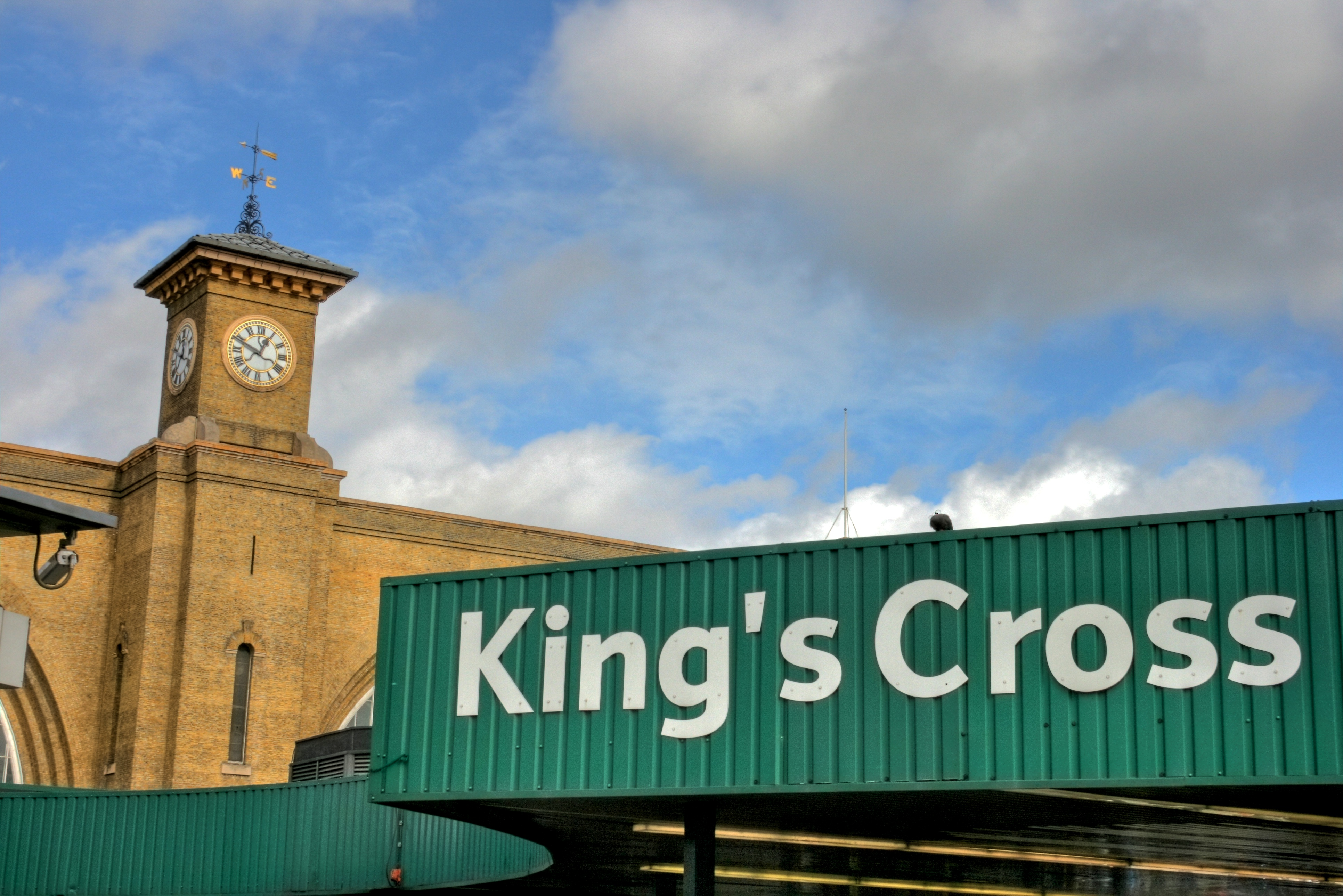
King’s Cross has become one of London’s most sought-after locations for artificial intelligence companies, bringing startups, major AI labs and investors into a tightly concentrated area around the city’s Knowledge Quarter. Demand has become strong enough that conventional office vacancy in the neighborhood has fallen to 0.9%, while prime rents have risen 18% over three years.
The cluster traces much of its development to Google DeepMind, which established its presence in the area after Google acquired the company. King’s Cross now hosts or sits close to companies including OpenAI, Meta, Isomorphic Labs, Cusp AI, Wayne, Recursive, Anthropic and Synthesia, alongside University College London.
Its transport connections add to the appeal. Founders can reach Cambridge by train in about 45 minutes and Paris in roughly two hours, giving companies access to researchers, investors and other technology businesses beyond London.
AI Companies Drive Office Demand
AI companies have taken 661,100 square feet of London office space so far in 2026, according to Knight Frank. The property firm expects AI companies to occupy about one million square feet during the full year, roughly double the 2025 total.
Recent large leases include Anthropic taking 158,000 square feet at One Triton Square and OpenAI signing for 88,500 square feet at Regent’s Quarter. Prometheus, the AI company associated with Jeff Bezos, is also reportedly discussing a move into the Jellicoe building.
The concentration is attracting smaller companies as well. BioCorteX moved from Holborn to King’s Cross about 18 months ago, while Latent Labs operates offices in both King’s Cross and San Francisco.
The neighborhood has changed considerably from its condition several decades ago, when it was associated with drugs and prostitution. Redevelopment beginning in the early 2000s reshaped the area before technology and AI companies began concentrating there.
Competition for AI Workers Intensifies
London’s growing AI sector has also increased competition for skilled employees. Anthropic, for example, has advertised a machine learning research engineer position with a salary range of £260,000 to £630,000, compared with an average London salary of about £102,000 for the same role.
Wayve co-founder Alex Kendall said establishing a major AI company in London once seemed unusual but is now a more established option. Wayve moved to King’s Cross in 2018, seeking an office that could also accommodate a garage for its autonomous vehicle work.
Synthesia moved into a larger office in the area last year, while maintaining a workforce in which about two-thirds of engineers work remotely. The arrangement allows it to recruit across countries including Slovenia and Portugal while retaining its London base.
Some local investors are also focusing on whether the UK can maintain more of its own AI infrastructure and capabilities. Phoenix Court co-founder Robin Klein said recent restrictions affecting access to AI models had raised questions about Europe’s reliance on technology developed elsewhere, including whether the UK can provide the compute, energy and capital needed for companies building AI systems locally.
Featured image credits: Wikimedia Commons
For more stories like it, click the +Follow button at the top of this page to follow us.