

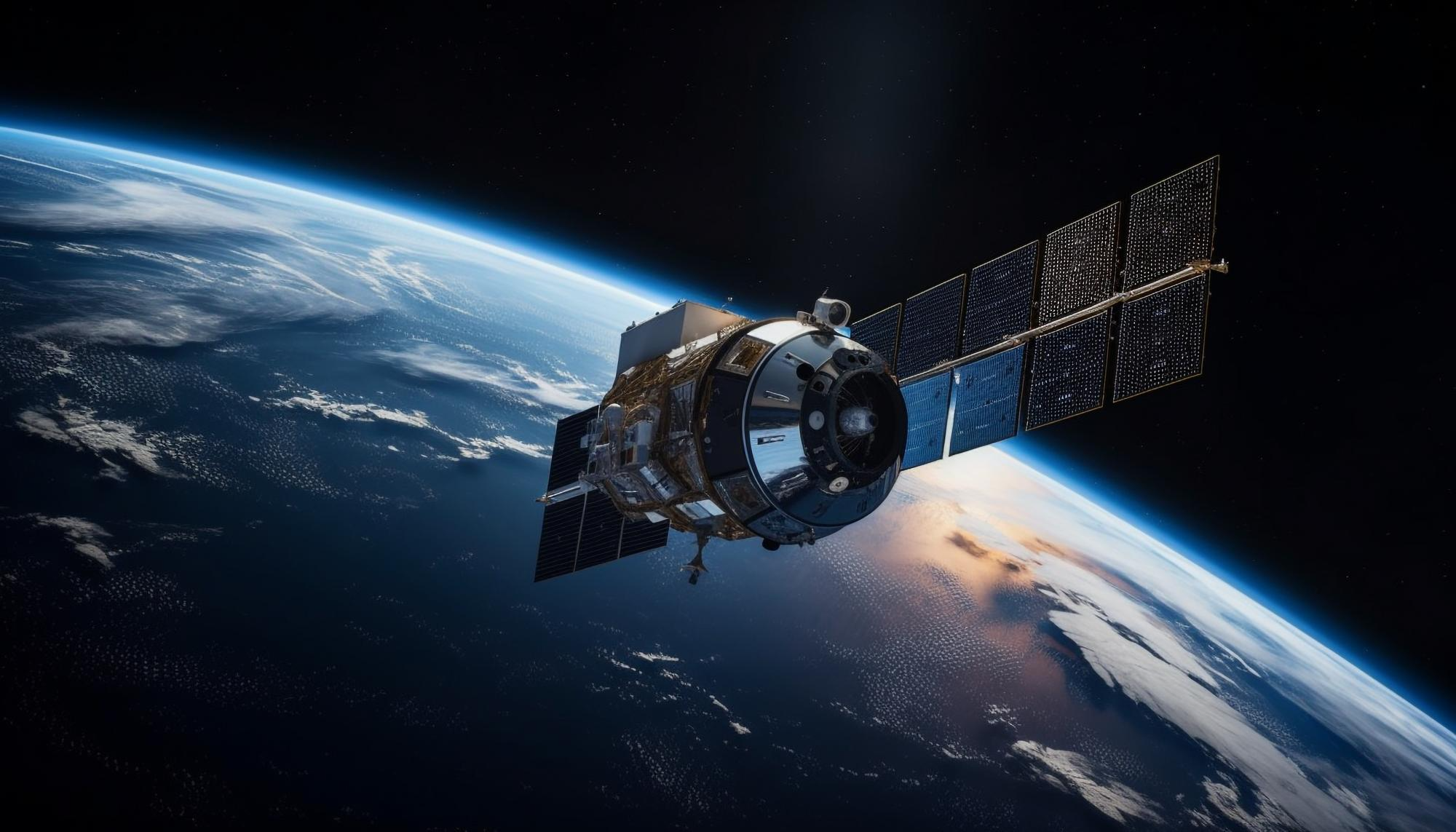
Northrop Grumman has undocked a Mission Extension Vehicle from Australia’s Optus D3 communications satellite, clearing the way for a newer robotic spacecraft to take over its life-extension work. The next phase will use robotic arms to permanently attach a propulsion pod to Optus D3, potentially keeping the satellite operational for up to six more years.
The Mission Extension Vehicle had been attached to Optus D3 for more than a year, providing propulsion and keeping the aging satellite in its assigned orbit. Northrop Grumman said in its official announcement that the spacecraft successfully separated and will now move to a parking orbit while awaiting another customer.
Optus D3 launched in 2009 with an expected 15-year service life. The satellite remains functional, but like many geosynchronous spacecraft, its operational lifespan is limited by the fuel needed to maintain its position rather than by the failure of its communications equipment.
Robotic Vehicle Will Install a Permanent Propulsion Pod
Northrop Grumman launched its Mission Robotic Vehicle, or MRV, alongside three Mission Extension Pods on a SpaceX Falcon 9 on July 21. The spacecraft are traveling toward geosynchronous orbit, roughly 22,000 miles above Earth.
The MRV carries two robotic arms developed through DARPA’s Robotic Servicing of Geosynchronous Satellites program. Each arm has seven joints and can use interchangeable tools to inspect, repair, reposition, or attach equipment to satellites already in orbit.
In late 2027, the MRV is scheduled to rendezvous with Optus D3 and install one of the propulsion pods. Optus said the pod should extend the satellite’s operational life by up to six years under its Project Aurora program.
New System Changes Northrop Grumman’s Servicing Model
Northrop Grumman currently has two Mission Extension Vehicles in orbit, which have collectively provided more than a decade of life extension to satellites operated by Intelsat and Optus. The older vehicles remain attached to their customers while supplying propulsion, limiting how many satellites each spacecraft can service.
The new model separates the permanent propulsion system from the robotic servicing vehicle. Customers purchase the Mission Extension Pods, while the MRV can install one pod and then travel to another spacecraft for additional servicing work.
The MRV is also designed to be refueled in orbit and can support missions beyond life extension, including inspections, repairs, upgrades, relocation, and eventual satellite disposal. Northrop Grumman has said the system could serve both commercial and US government spacecraft.
Featured image credits: Magnific.com
For more stories like it, click the +Follow button at the top of this page to follow us.