

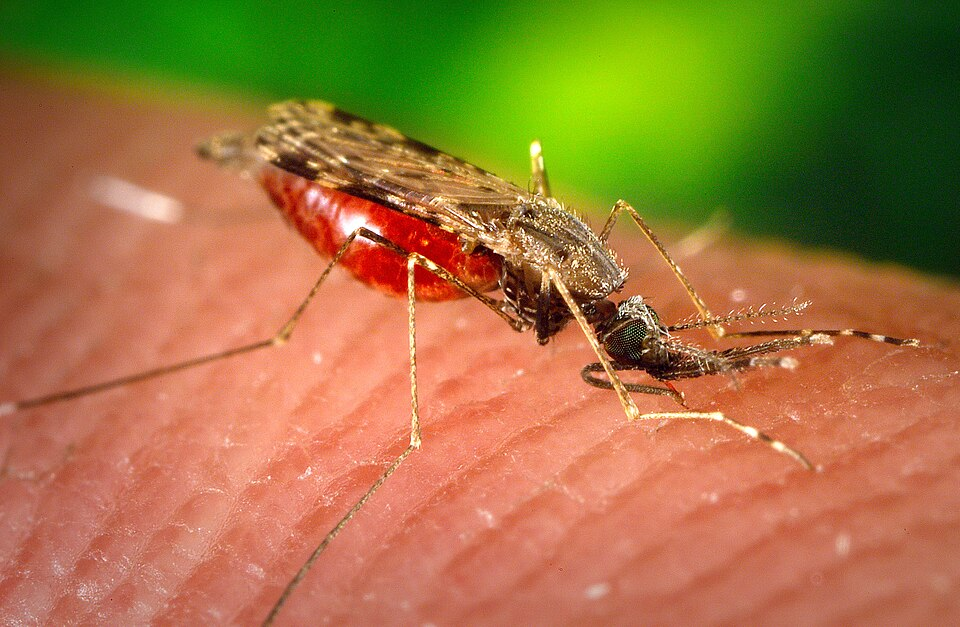
Pennsylvania-based startup Mosqitter is developing an AI-powered mosquito monitoring network that identifies mosquito species, tracks population changes, and helps public health authorities assess potential disease risks. The company currently operates more than 5,000 mosquito-trapping devices across five continents and plans to introduce its Febris Monitoring System in November 2026.
The development comes as mosquito-borne diseases spread into new regions due to changing temperatures, rainfall patterns, and international travel. According to the World Health Organization, reported dengue cases more than doubled from 6.5 million in 2023 to a record 14.6 million in 2024.
How Mosqitter’s AI Monitoring System Works
Mosqitter initially developed chemical-free traps that attract female mosquitoes by imitating human body heat, skin scent, and light. Its Grand model also releases carbon dioxide to simulate human breathing, targeting female mosquitoes that require blood before laying eggs.
The company’s Febris Monitoring System uses computer vision to identify captured mosquitoes based on their biological characteristics. Images are processed through a neural network, compared with external datasets, and reviewed by entomologists before the system assigns confidence scores.
Febris also incorporates weather, wind, and humidity data to monitor mosquito populations and identify changes that could indicate increased disease risk. CEO and co-founder Anastasiia Romanova emphasized that the technology identifies potentially disease-carrying species rather than diagnosing infections in individual mosquitoes.
Mosqitter offers two main trapping devices: the $199 Mini for residential use and the $1,999 Grand for larger outdoor areas. Febris adds recurring monitoring, analytics, dashboards, and data services for institutional customers.
Mosqitter Expands Across International Markets
Founded through research in Ukraine in 2019, Mosqitter began commercial operations in 2021 and now employs approximately 30 people. Its deployment network has expanded from slightly more than 250 devices in 2022 to over 5,000 across North America, Europe, Australia, and other regions.
The company has established manufacturing and sales operations in Brazil, while identifying the United States, Greece, India, Ukraine, and Nigeria as important markets. It also works with an established pest-control company in Greece and sells its Mini device directly to American consumers.
Mosqitter is collaborating with the UK Health Security Agency on deploying Febris at locations including Heathrow and Gatwick airports. The company is also seeking distributors and institutional partners, including governments, municipalities, universities, and mosquito-control agencies.
Mosqitter Targets $5 Million in New Funding
Romanova expects Mosqitter to generate more than $1 million in revenue during 2026. The company projects its monitoring and data services could generate over $3.5 million in 2027, based on contracts it is currently bidding for.
Mosqitter has raised $1.9 million to date and is seeking another $5 million through two funding tranches. The proposed financing includes an initial $1 million investment followed by $4 million tied to development milestones for Febris.
Featured image credits: Wikimedia Commons
For more stories like it, click the +Follow button at the top of this page to follow us.