

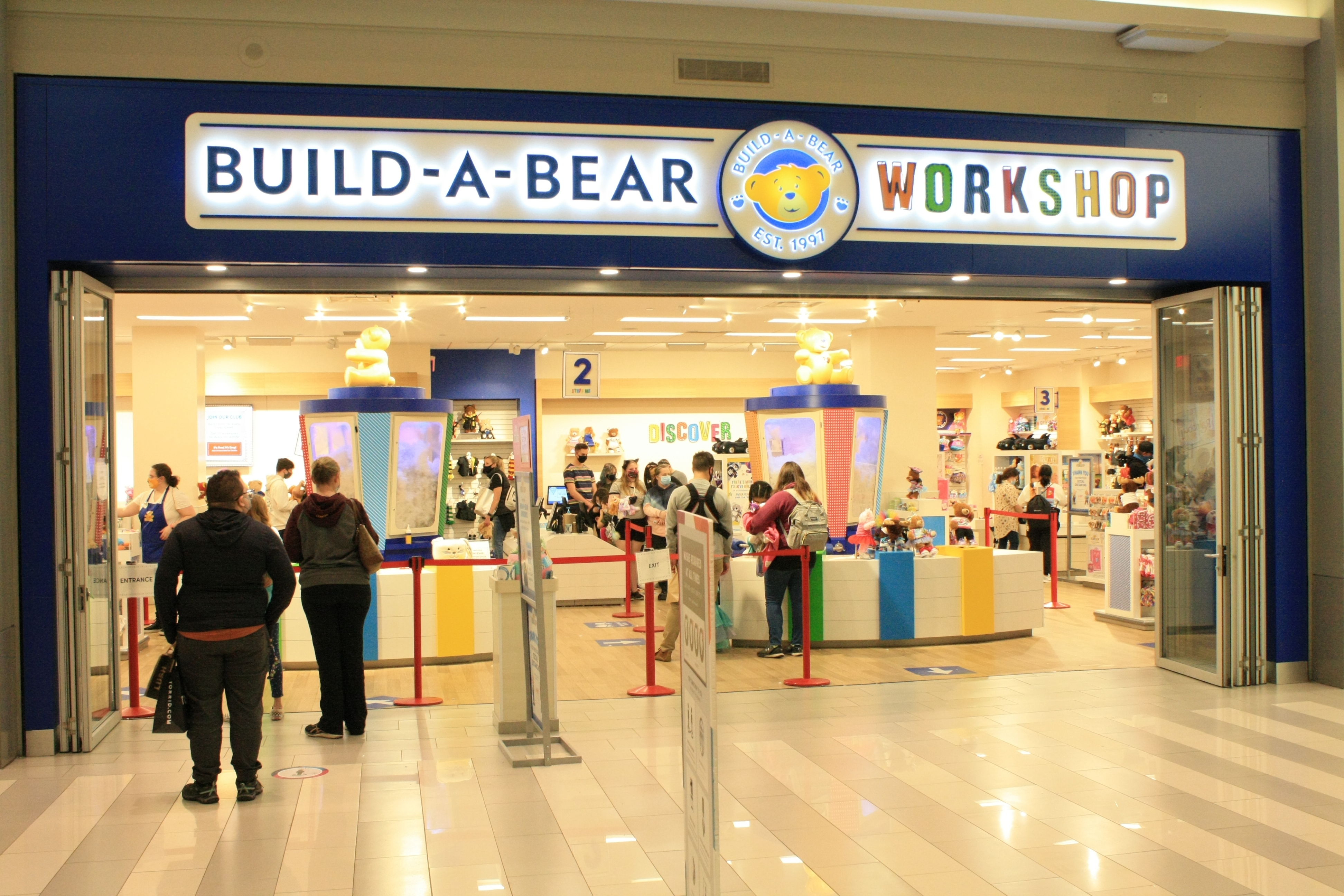
Build-A-Bear Workshop has returned to sustained profitability and strong stock performance after a prolonged downturn, even as tariffs and weaker consumer traffic create new financial headwinds.
Turnaround After Years Of Decline
Build-A-Bear Workshop built early momentum in shopping malls during the early 2000s but struggled following the 2008 financial crisis. The company reported a $49 million loss in fiscal 2012, and its stock fell sharply as mall traffic declined.
When Sharon Price John became chief executive in 2013, she said the brand itself remained intact despite operational problems. In interviews at the time, she said it became clear how strongly customers connected to the brand, even as the business performance deteriorated.
Operational Changes And Profit Focus
Under Price John, Build-A-Bear shifted its strategy toward restoring profitability before pursuing growth. The company increased investment in e-commerce, routed online orders through physical stores rather than centralized distribution centers, and reduced its reliance on mall-only locations.
Price John said the company focused on achieving sustained, profitable growth, prioritizing margins and store-level economics before expansion.
The approach led to a broad recovery. Nearly all Build-A-Bear locations are now profitable, and the company’s stock reached an all-time high of about $76 in September. Although shares have declined from that peak, the stock remains up more than 125% over the past two years.
Tariffs And External Pressures
Recent financial performance has been affected by tariffs. Build-A-Bear imports more than 90% of its products from China and Vietnam. In its third-quarter earnings report released in early December, the company said it expects tariffs to reduce fiscal 2025 results by approximately $11 million.
Executives also told analysts that store traffic slowed in October during the government shutdown.
Eric Beder, an analyst at Small Cap Consumer Research, said in a note this month that he lowered revenue projections and cut his price target by $10. The change followed lighter-than-expected revenue and what he described as deep tariff-related impacts implied in the company’s outlook.
Competitive Position In Retail
Despite those pressures, Build-A-Bear continues to outperform many retail peers. The company expects to reach $500 million in annual revenue for the first time.
Beder said the company’s differentiation lies in its interactive model. While plush toys are widely available from retailers such as Target and FAO Schwarz, he said Build-A-Bear offers a personalized experience that competitors do not replicate.
Featured image credits: Wikimedia Commons
For more stories like it, click the +Follow button at the top of this page to follow us.