

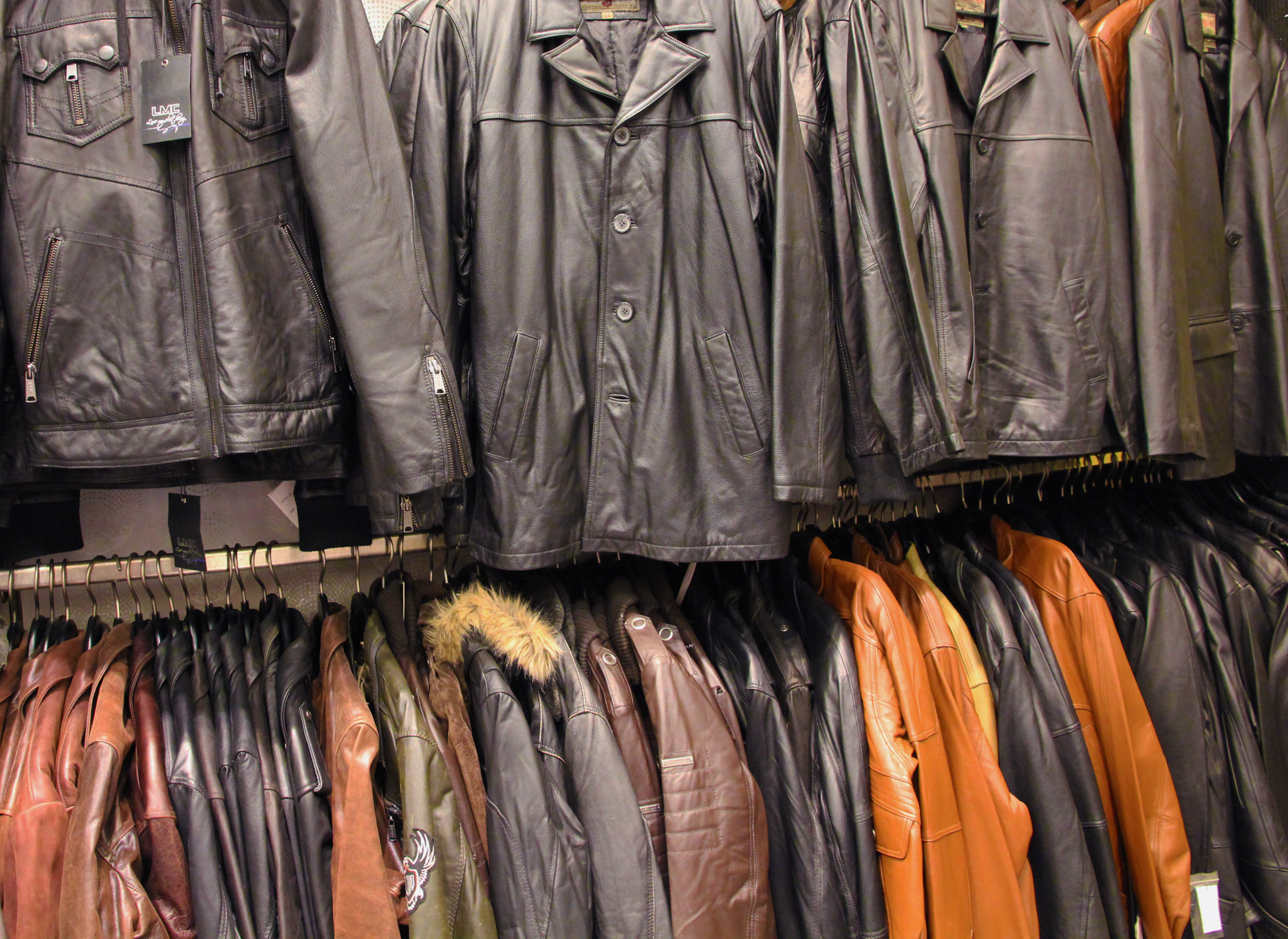
Sweeping import tariffs imposed by President Donald Trump in April have pushed U.S. leather companies into operational turmoil, raising costs across the supply chain and setting the stage for sustained price increases in footwear, handbags, and accessories.
Tariffs Trigger Immediate Disruptions
Western footwear maker Twisted X said the sudden introduction of tariffs caused immediate disruption. At its Decatur, Texas headquarters, the company converted a conference room into a “tariff war room” as import costs surged, shipments were halted mid-transit, and invoices fluctuated rapidly.
Chief executive Prasad Reddy told CNBC that price instability forced staff to recalculate margins repeatedly as conditions changed. Other leather companies paused shipments altogether, citing uncertainty around pricing and duties.
Higher Costs Move To Store Shelves
The disruption has extended beyond Twisted X. Leather retailers across the market are facing higher replacement costs as pre-tariff inventory is exhausted. Industry experts said products now reaching stores were made using more expensive hides, processed overseas at higher cost, and shipped with elevated freight rates.
The Yale Budget Lab projects leather goods prices will remain nearly 22% higher for at least the next one to two years. The lab cited inflation, supply chain bottlenecks, and tariff exposure, particularly affecting imports from China, Vietnam, Italy, and India.
John Ricco of the Yale Budget Lab said leather has been hit especially hard because high tariff rates apply to countries that supply most imported leather, while the U.S. remains heavily dependent on foreign leather and apparel production.
Global Supply Chain Strains
A typical pair of U.S. leather boots begins as a raw cow hide from an American ranch, which is then shipped overseas for tanning and assembly. Reddy said roughly half of Twisted X products are now tanned in China, down from about 90% in 2017.
Once tanned, leather is often shipped to factories in China, Vietnam, Mexico, or India for cutting and assembly before returning to the U.S. as finished goods. That system, which historically kept costs low, became a liability once tariffs took effect.
Kerry Brozyna, president of the Leather and Hide Council of America, said many Chinese facilities refused shipments after tariffs were imposed, as incorporating duties into pricing made products unsellable.
Trade Deficit And Supplier Shifts
The U.S. leather trade deficit remains among the widest in manufacturing. Census Bureau data shows that in 2023 the U.S. imported $1.37 billion in leather apparel while exporting $92.7 million, a roughly 15-to-1 imbalance. China accounts for about one-third of all leather goods imported into the U.S.
As companies moved production out of China, they encountered new obstacles, including congestion in Cambodia and Bangladesh, longer lead times in Vietnam, and a 50% tariff imposed on many Indian leather exports in August. By late summer, companies were paying more for hides, tanning, assembly, and re-importation, according to Reddy.
Financial Impact On Major Brands
The higher costs are already reflected in corporate earnings. Tapestry, owner of Coach and Kate Spade, told investors in August that tariff-related expenses could reach $160 million, citing increased pressure on profits.
Footwear company Steve Madden also reported tariff-related challenges. Chairman and CEO Edward Rosenfeld said on a November earnings call that new import duties weighed on third-quarter performance.
Twisted X said it raised prices by about 1% to 3% this year, a smaller increase than many competitors. Chief marketing officer Tricia Mahoney said the company focused on limiting price hikes, though she warned conditions could remain difficult next year.
Price Outlook Through 2026
Luxury leather prices are already rising. Data shows Chanel’s Classic Flap bag now costs about 5% more than a year ago following additional increases this spring.
Ricco said the more pronounced impact is likely to emerge in 2026, as higher tariffs, freight costs, and limited premium hides fully work through the system. Analysts expect leather footwear and accessories prices to rise about 22% over the next one to two years and around 7% over the longer term.
He said companies will face difficult choices, including passing costs to consumers, reducing headcount, or adjusting shareholder payments.
Decline In Domestic Capacity And Hide Shortages
The ability to pivot toward domestic production is limited. The Leather and Hide Council of America said U.S. tanneries employed more than 300,000 workers in the 1950s, compared with about 50,000 workers in 2025. The number of tanneries has fallen from roughly 1,000 to a few hundred.
Reddy said large-scale domestic manufacturing capacity no longer exists, limiting options when global supply chains are disrupted. Industry experts added that rather than returning production to the U.S., many brands are shifting suppliers overseas to manage costs.
Compounding the issue, the U.S. cattle herd is at its smallest level since the 1950s due to drought, higher feed costs, and herd liquidation. Fewer cattle means fewer hides, pushing up prices for high-grade leather even as global demand remains strong.
Synthetic Alternatives Also Affected
Synthetic materials have not avoided the impact. Many faux-leather and polyurethane products rely on petrochemical inputs from Asia, which are also subject to tariffs. Retailers and analysts said synthetic footwear and handbags are seeing mid- to high-single-digit cost increases.
Featured image credits: Wikimedia Commons
For more stories like it, click the +Follow button at the top of this page to follow us.