

India has approved a 73bn-rupee ($800m; £600m) incentive programme to reduce its dependence on China for rare earth magnets, a component used widely across electric vehicles, renewable energy systems, consumer electronics, medical imaging equipment, and defence technologies. The plan, cleared in November 2025, concentrates on magnet production rather than the entire rare earth supply chain, reflecting an effort to move faster in an industry known for high costs, technical complexity, and long development timelines.
Rare earth magnets are among the most commonly used rare earth products and are embedded in everyday industrial and consumer applications. By prioritising this segment, policymakers aim to build domestic capability sooner while responding to rising internal demand.
Scope Of The Incentive Scheme
Under the scheme, selected manufacturers will receive capital support and sales-linked incentives to produce 6,000 tonnes of permanent magnets annually within seven years. Officials expect domestic demand for rare earth magnets to double over the next five years, driven by growth in electric vehicles, electronics, and renewable energy installations.
Industry specialists note that financial incentives address only part of the challenge. Developing competitive magnet manufacturing requires advanced process knowledge, skilled labour, and access to specialised materials.
Dependence On China And Supply Disruptions
India currently imports between 80% and 90% of its magnets and related materials from China, which controls more than 90% of global rare earth processing capacity. Government data shows India imported about $221m worth of magnets and associated raw materials in 2025.
This reliance became evident in 2024, when China tightened exports during a trade dispute. The restrictions affected Indian automakers and electronics manufacturers and prompted parts of the electric vehicle sector to assess alternatives to rare earth magnets. Although the disruption was temporary, industry participants say it exposed the vulnerability of industries that lack domestic supply options.
Other regions, including the European Union and Australia, have introduced similar measures to reduce reliance on Chinese processing. Rajnish Gupta, a tax and economic policy specialist at EY India, said the timing of the export controls came as a surprise for many countries.
Gaps In Industrial Experience
Experts say India faces a steeper learning curve than some peers. Countries such as Japan, South Korea, and Germany have spent decades refining magnet manufacturing processes. India, by contrast, has limited commercial-scale experience in this area.
Neha Mukherjee of Benchmark Mineral Intelligence said the programme marks an initial step rather than a complete solution. She said India will need strategic partnerships to access technology, train workers, and gradually develop domestic expertise.
Similar concerns were raised by Dr PV Sunder Raju, chief scientist at the National Geophysical Research Institute. He said that funding alone cannot deliver results without sustained investment in research and development.
Research Infrastructure And Output Uncertainty
India has research facilities that could support magnet development. A dedicated centre was inaugurated in 2023 at the Bhabha Atomic Research Centre, and a separate public-private project aims to produce 5,000 tonnes of magnets annually by 2030.
However, neither initiative has yet reported commercial output, raising questions about timelines and execution.
Raw Material Constraints
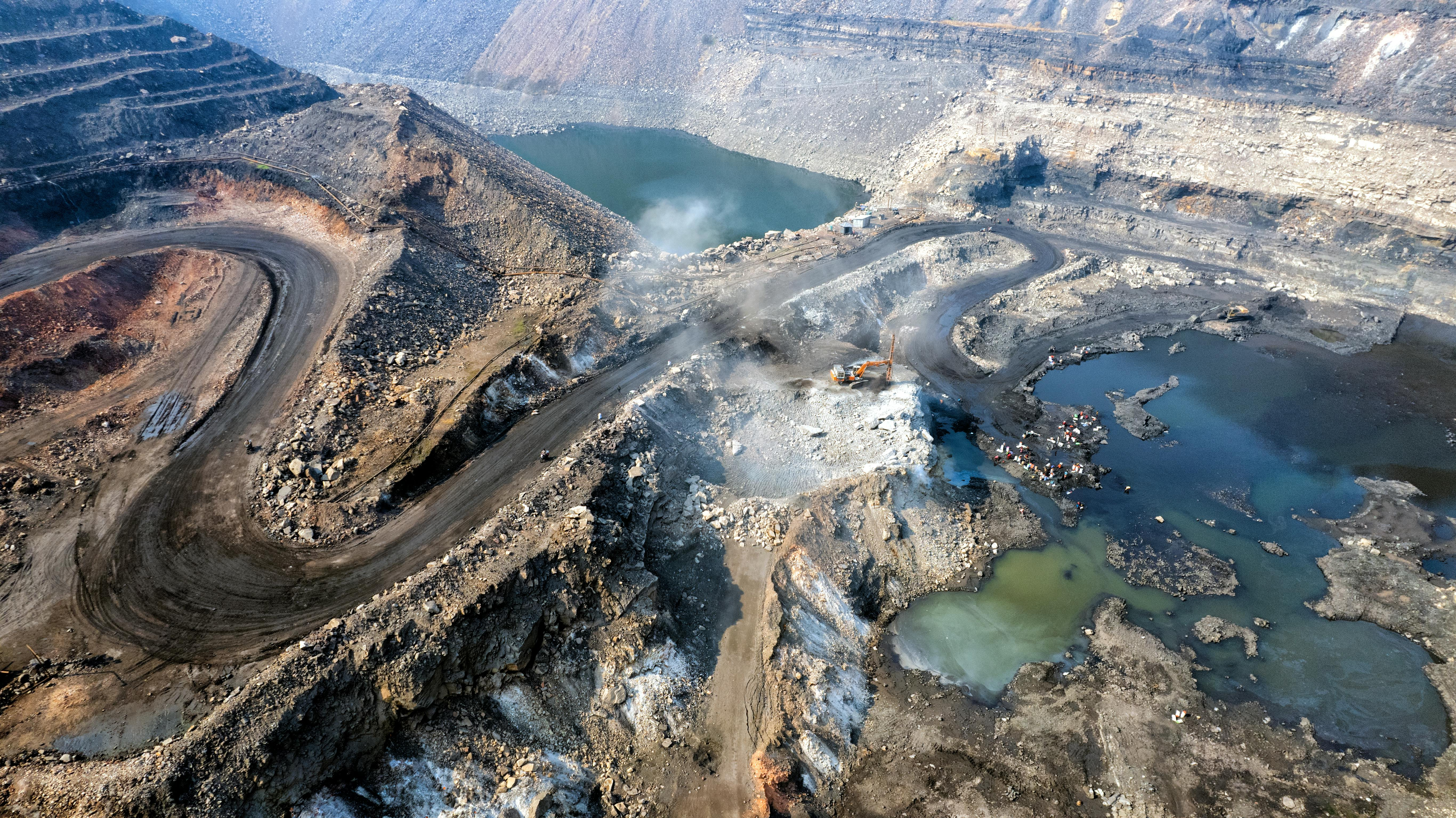
India holds about 8% of global rare earth reserves, the third-largest share worldwide, primarily in coastal sands across Kerala, Tamil Nadu, Odisha, Andhra Pradesh, Maharashtra, and Gujarat. Despite this, the country accounts for less than 1% of global rare earth mining.
Only one mine is currently operational, located in Andhra Pradesh. Until recently, most of its output was exported to Japan under a bilateral agreement. In June 2025, India reportedly asked the state-owned miner IREL to suspend exports to preserve supplies for domestic use.
The government has also launched the National Critical Mineral Mission, which includes commitments to stockpiling and supply chain resilience. Even with expanded mining, India does not possess all the elements required for advanced magnet production. While it has surpluses of lighter rare earths such as neodymium, it lacks extractable quantities of heavier elements like dysprosium and terbium, which are needed for many high-performance magnets.
Scale And Pricing Challenges
India currently consumes an estimated 7,000 tonnes of magnets each year. Producing 6,000 tonnes by the early 2030s may still fall short as demand continues to grow.
Ms Mukherjee said insufficient scale would leave India exposed to external suppliers, particularly if Chinese producers continue expanding capacity. Pricing presents another challenge. Chinese magnets remain inexpensive, and domestic alternatives may struggle to compete unless costs are kept low. Some analysts suggest that incentives for buyers, alongside manufacturer support, may be needed to encourage adoption of locally produced magnets.
Mr Gupta said continued private sector participation will be necessary to develop a functioning ecosystem, noting that the scheme signals India’s intent to strengthen domestic capabilities in a sector with strategic importance.
Featured image credits: Pexels
For more stories like it, click the +Follow button at the top of this page to follow us.