

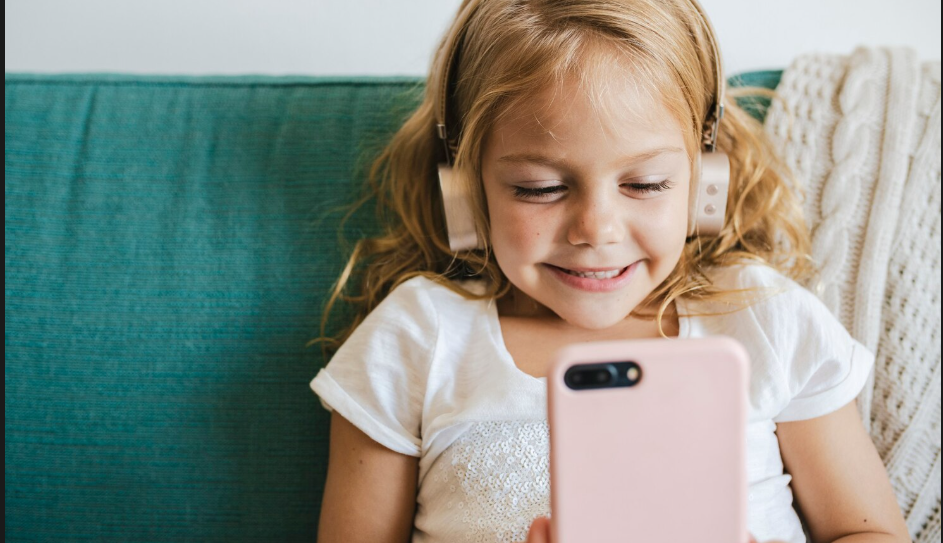
Governments in several countries are moving to restrict social media access for children and teens, with Australia becoming the first country to implement a national under-16 ban at the end of 2025.
The measures are aimed at reducing risks that young users may face online, including cyberbullying, addictive use, mental health concerns, and exposure to predators. Critics have raised concerns about privacy, age verification, and government intervention, while several governments continue to advance proposed legislation.
Australia Sets The First National Ban
Australia’s social media minimum age law took effect on December 10, 2025. The law requires age-restricted social media platforms to take reasonable steps to prevent Australians under 16 from having accounts.
The ban applies to platforms including Facebook, Instagram, Snapchat, Threads, TikTok, X, YouTube, Reddit, Twitch, and Kick, according to TechCrunch. It does not include WhatsApp or YouTube Kids.
Australia’s eSafety Commissioner says platforms cannot rely only on users entering their own age. Companies that fail to comply may face penalties of up to 49.5 million Australian dollars, or about $34.4 million.
More Countries Draft Similar Rules
Austria said in late March that it would ban social media for children up to age 14, with draft legislation expected by June. Canada introduced a digital safety bill in June that would ban social media for children under 16, though platforms could avoid the ban if they show they have policies to protect young users.
Denmark announced in November 2025 that it had secured parliamentary support for a ban covering children under 15. The country’s digital affairs ministry is also preparing a “digital evidence” app with age verification tools that may support enforcement.
France’s lower house passed a bill in late January to ban social media for children under 15. The bill still needs Senate approval before a final vote in the lower house.
Europe And Asia Consider Age Limits
Germany’s conservatives discussed a proposal in early February to bar children under 16 from social media, though Reuters reported that some coalition partners were hesitant to support a full ban. Greece plans to block social media access for children under 15 starting in January 2027.
Indonesia said in early March that it would ban children under 16 from social media and other online platforms, beginning with services such as YouTube, TikTok, Facebook, Instagram, Threads, X, Bigo Live, and Roblox. Malaysia said in November 2025 that it planned to ban social media for children under 16 this year.
Poland’s ruling party is drafting legislation to ban children under 15 from social media. Slovenia is also preparing legislation to prohibit children under 15 from accessing social networks where content is shared, including platforms such as TikTok, Snapchat, and Instagram.
Other Proposals Remain Under Review
Spain’s prime minister said in early February that the country plans to ban social media for children under 16, though the proposal still needs parliamentary approval. Spain is also seeking a law that would make social media executives personally accountable for hate speech on their platforms.
Turkey’s parliament passed a bill in April to restrict social media access for children under 15, but President Recep Tayyip Erdogan still needs to approve it before it becomes law. The U.K. is also weighing a ban for children under 16 and plans to consult parents, young people, and civil society before deciding whether such a measure would be effective.
Critics, including Amnesty Tech, have argued that bans may be ineffective and could ignore how younger users interact with online platforms. Privacy advocates have also warned that strict age checks may require invasive verification systems.
Featured image credits: Magnific.com
For more stories like it, click the +Follow button at the top of this page to follow us.