

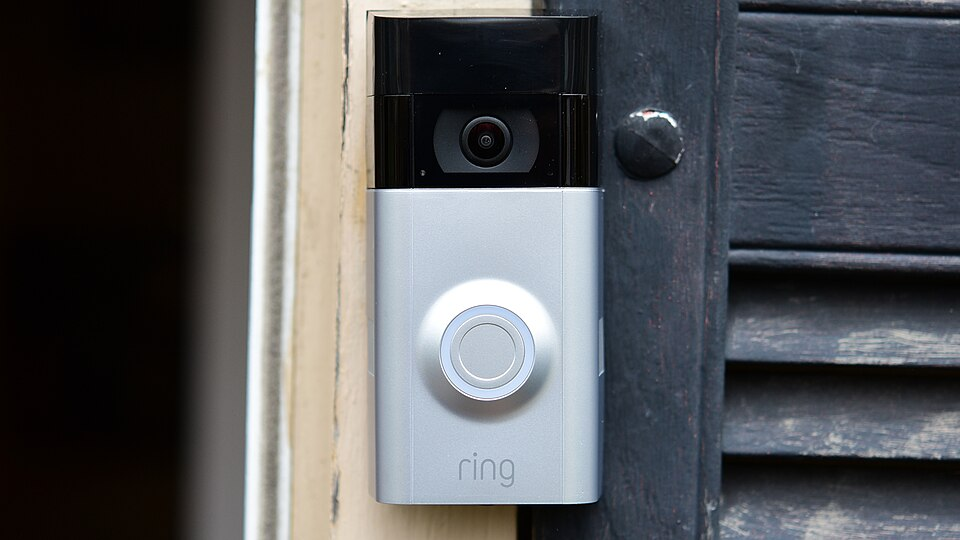
Ring, Amazon’s smart home security division, is adopting a new encryption standard called TAKE, short for Throw Away the Key Encryption, as its default method for protecting stored video. The system is designed to preserve access to cloud-based features such as Smart Alerts, video search, video descriptions, and sharing with trusted users while limiting how long Ring can access the encryption keys needed to process footage.
Ring said in its official announcement that TAKE uses a rotating set of encryption keys that are temporarily stored in the cloud. Ring can access those keys when needed to provide features a user has enabled, but the company says the relevant key is deleted within 24 hours after processing is completed.
TAKE Allows Temporary Video Processing
Unlike end-to-end encryption, TAKE allows Ring to temporarily decrypt and process video in the cloud. That enables features such as Smart Alerts, which can identify when people, vehicles, or packages appear within a camera’s field of view.
Ring said that after those features finish processing the footage, the encryption key is discarded. The company says only the user retains the keys needed to access the video after the temporary cloud key has been removed.
Amazon explained in a technical white paper that TAKE is built on Messaging Layer Security, an open standard developed by the Internet Engineering Task Force.
Users Retain Recovery Options
The system also includes several methods for recovering access when a user loses or replaces a device. Ring says users can authenticate themselves by standing near their Ring cameras to recover encryption keys on a new device.
Other recovery options include a passphrase, cloud backups, another approved device, or passkeys. TAKE will begin rolling out gradually in September and will become Ring’s default encryption standard worldwide.
Users who prefer end-to-end encryption can still select it manually instead of TAKE. End-to-end encryption provides stronger limits on cloud access but prevents some Ring features that depend on processing video remotely.
Ring Faces Scrutiny Over Facial Recognition
The encryption change arrives as Ring continues to face criticism over its Familiar Faces feature, which uses facial recognition to identify people captured by Ring cameras.
A class action lawsuit filed in June accused Amazon of storing facial images of passersby without their consent. The criticism followed Ring’s rollout of Familiar Faces, which expanded the use of AI-powered identification across its video doorbell products.
Featured image credits: Wikimedia Commons
For more stories like it, click the +Follow button at the top of this page to follow us.