

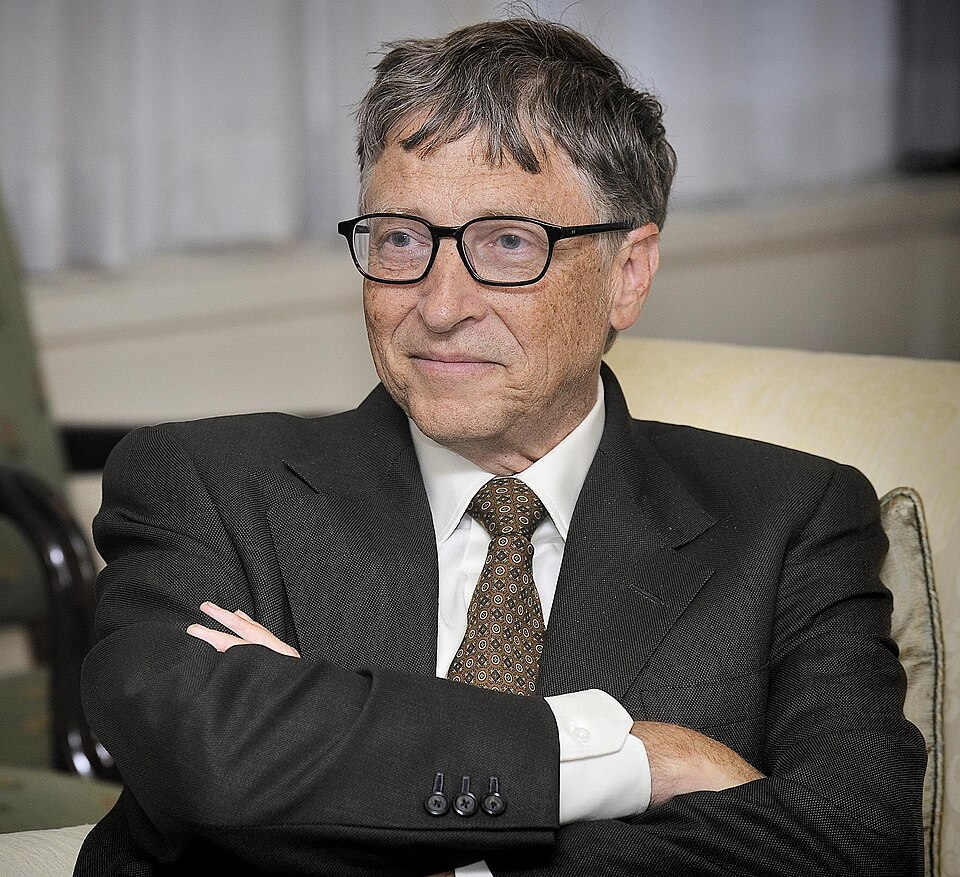
Microsoft co-founder Bill Gates has proposed taxing AI tokens and robots and reserving certain jobs exclusively for humans as governments prepare for potential labor disruption from artificial intelligence. In a new essay on Gates Notes, Gates argued that AI could bring major benefits to areas including healthcare, science, and education while also displacing workers and reducing government tax revenue.
Gates said AI differs from earlier technological changes because it can substitute for human cognition and can be adopted quickly using devices and interfaces people already use. He expects AI and robots to compete with people across both cognitive and physical work, including some construction and hospitality tasks by the end of the decade.
Gates Calls for Taxes on AI and Robots
Gates argued that existing tax systems can encourage businesses to replace employees with machines. Employers pay payroll taxes when they hire workers, he noted, while purchases of robots can often be written off as business expenses.
He proposed taxes on AI tokens and robots that could slow the replacement of human labor while generating money for worker retraining and stronger social safety nets. Gates said such taxes would need to be structured so they do not significantly slow beneficial AI applications such as reducing the cost of medicine and education.
Gates previously proposed a robot tax years ago and said he continues to support the idea. He argued that assistance should particularly reach workers who lose jobs, experience reductions in hours or wages, and communities where displacement becomes concentrated.
Some Jobs Could Be ‘Human Reserved’
Gates also proposed creating a category he calls “Human Reserved,” covering tasks that governments or societies decide should remain with people even when AI or robots could technically perform them.
Economic considerations could determine some of those jobs, particularly where automation would displace workers who may struggle to retrain. Other decisions could depend on the nature of the interaction, with Gates using healthcare as an example of an area where delivering certain serious diagnoses should remain a human responsibility.
He said the category could change over time, with AI introduced gradually into some occupations while certain positions remain protected. Education and mental healthcare could combine human professionals with AI systems rather than assigning the entire role to either one.
Gates Supports Slower AI Development but Questions Its Feasibility
Gates also discussed Pacing the Frontier, an open letter calling for slower development of advanced AI systems. He expressed support for giving society more time to prepare for AI-related disruption but questioned whether a sustained slowdown would be practical.
He called for new national and international institutions capable of coordinating AI policy across areas including employment, taxation, education, energy, national security, public health, transportation, and financial systems.
Gates said he plans to raise AI and economic inequality with lawmakers, world leaders, and companies developing AI models while advocating for new frameworks to manage the transition.
Featured image credits: Wikimedia Commons
For more stories like it, click the +Follow button at the top of this page to follow us.