

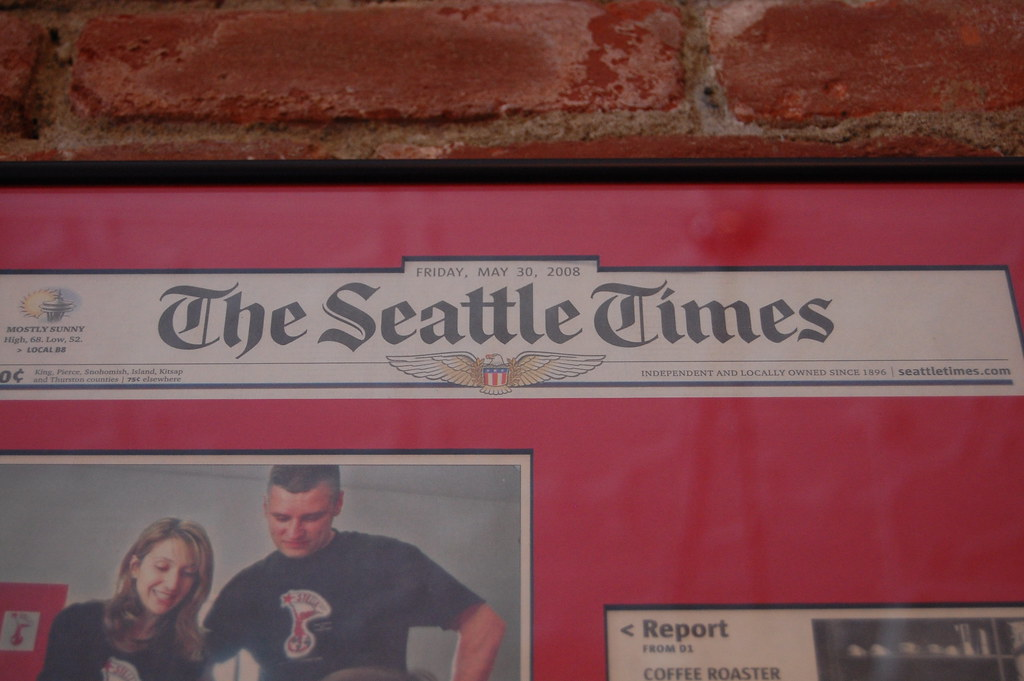
The Seattle Times and Newsday have sued OpenAI and Microsoft, accusing the companies of using their journalism without permission to train and operate generative AI systems. The lawsuit argues that products such as ChatGPT and Copilot can reproduce or imitate copyrighted reporting while competing with the organizations that originally produced it.
The publishers filed the complaint in federal court in New York. They argue that generative AI could leave the journalism industry “broken beyond repair” if news organizations lose control over how their reporting is used.
The lawsuit describes generative AI as “a snake eating its own tail,” claiming that AI companies consume human-created material and then produce copies or derivative versions for commercial purposes. These remain allegations, and the court has not ruled on the copyright claims.
Publishers Join Existing Copyright Litigation
The case follows similar copyright lawsuits filed by news organizations against AI companies. The New York Times sued OpenAI and Microsoft in 2023, alleging that its copyrighted reporting had been used without permission to train AI models.
Other publishers have since brought related claims. OpenAI has disputed those arguments and maintains that training AI models on publicly available material can qualify as fair use, a position it has detailed in an official response to The New York Times litigation.
The Seattle Times case is also notable because OpenAI and Microsoft have previously funded journalism projects and fellowships associated with the publication. The new lawsuit nevertheless places the newspaper alongside publishers challenging how AI companies obtain and use journalistic material.
Microsoft Says It Is Open to Discussions
Microsoft said it was surprised by the lawsuit. A company spokesperson told GeekWire that Microsoft remained willing to discuss possible solutions to the dispute.
The lawsuit asks the court to address whether OpenAI and Microsoft infringed the publishers’ copyrights through their use of news content for AI systems. The legal dispute adds another case to ongoing litigation over how U.S. copyright law applies when companies use protected material to develop generative AI products.
Featured image credits: Joe Ruiz via Flickr
For more stories like it, click the +Follow button at the top of this page to follow us.