

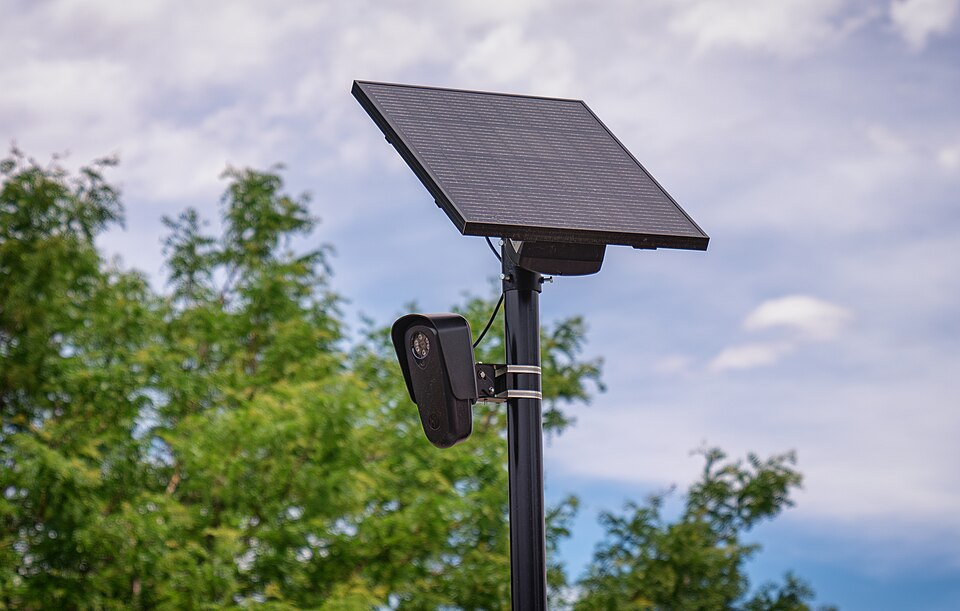
At least 10 local governments and police departments across the United States have moved to restrict or discontinue their use of Flock Safety surveillance cameras since summer 2026, following concerns over privacy, data sharing, and potential misuse. The decisions affect a growing network of automated license plate readers used by law enforcement agencies to monitor vehicles and investigate crimes.
Founded in 2017, Flock Safety provides surveillance technologies including license plate readers, drones, and acoustic sensors designed to detect gunshots. More than 100,000 Flock cameras are deployed nationwide, with the company maintaining that its systems help police locate suspects, recover stolen vehicles, and find missing people.
Cities Terminate Surveillance Contracts
Communities moving to end their Flock contracts include Monroe, Ohio; Newburgh, New York; Richmond, Virginia; Hopkinton and New Bedford, Massachusetts; and Lansing, Michigan. Police departments in East Bridgewater and Grafton, Massachusetts, have also announced plans to discontinue the technology.
Residents of League City, Texas, voted against continued use of Flock license plate readers in November, prompting plans to remove the cameras. Asheville, North Carolina, terminated its agreement in August, while Colorado’s El Paso County Sheriff’s Office announced its withdrawal in September.
Privacy concerns have intensified following reports that federal immigration authorities accessed Flock camera networks. The technology has also faced scrutiny over reported misuse by individual officers, including cases involving unauthorized monitoring of former romantic partners.
Flock Introduces New Privacy Safeguards
Flock has defended its systems, arguing that removing surveillance tools could weaken law enforcement investigations. The company maintains that customers own their data and control access permissions, adding that it does not sell customer data or maintain a contract with Immigration and Customs Enforcement.
In August, Flock announced additional privacy safeguards, including reducing its standard data retention period from 30 days to seven days. The changes also introduced mandatory case codes for database searches and additional measures to detect unauthorized access.
Some municipalities have retained the technology while tightening oversight. Cleveland, Ohio, extended its agreement but restricted immigration-related searches and limited database access to its police department.
Federal Lawmakers Propose Surveillance Restrictions
Opposition has also reached Congress, where lawmakers from both major political parties have introduced legislation addressing automated surveillance. Republican Representative Thomas Massie introduced the Flock-Off Act in September to restrict federal funding for automated license plate readers and biometric surveillance cameras.
In October, Senator Bernie Sanders, Representative Alexandria Ocasio-Cortez, and Senator Jeff Merkley introduced the Ban Flock Act. Their proposal would prohibit federal agencies from using automated license plate readers and restrict federal funding for state and local governments deploying the technology.
Neither proposal has become law. Meanwhile, local governments continue reviewing surveillance contracts, data access policies, and oversight requirements.
Featured image credits: Wikimedia Commons
For more stories like it, click the +Follow button at the top of this page to follow us.