

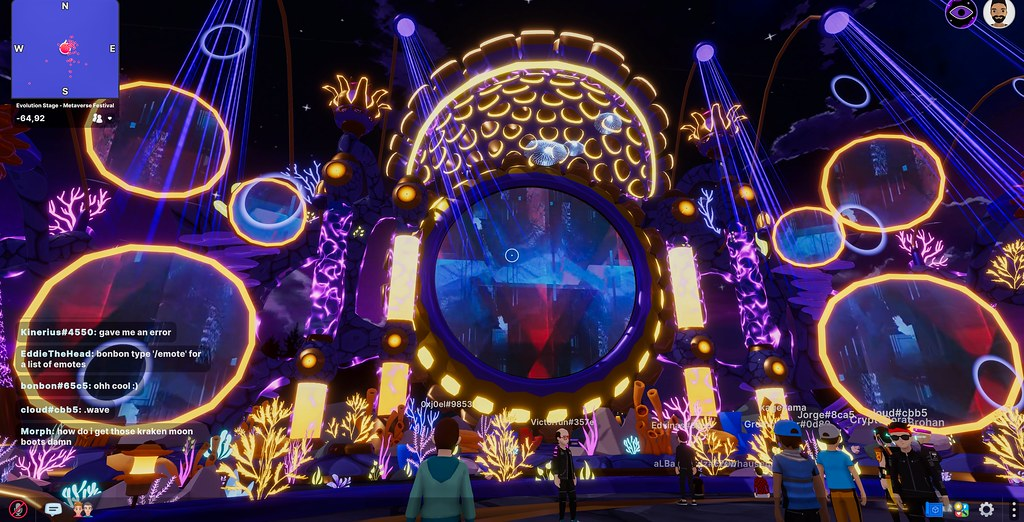
Meta has scaled back its long-running push into virtual reality, laying off roughly 1,500 employees from its Reality Labs division and shutting down several internal VR game studios, according to The Wall Street Journal. The cuts represent about 10% of the unit’s staff and mark a sharp reversal for a company that rebranded itself around the metaverse vision just four years ago.
From Rebrand To Retrenchment
Meta rebranded from Facebook in 2021, positioning virtual reality as the foundation of the next major computing platform. The strategy was partly aimed at younger users who were spending more time socializing in online games, and partly at distancing the company from years of reputational damage tied to privacy scandals, misinformation, and regulatory scrutiny.
At the center of the plan was Horizon Worlds, a virtual social space accessed through Meta’s VR headsets, where users could interact, attend events, and play games. The company framed the metaverse as the successor to traditional social media, with the potential to host large-scale digital commerce and new developer ecosystems.
Mounting Losses And Studio Shutdowns
Reality Labs never turned a profit, and Meta has poured an estimated $73 billion into the division. Investor concern grew as losses mounted and consumer adoption lagged. According to CNBC and other reports, affected studios include Armature Studio, Twisted Pixel, and Sanzaru Games, while the VR fitness app Supernatural will stop producing new content and move into maintenance mode.
Other projects have also been wound down. Meta’s Workrooms initiative, which aimed to bring VR into workplace collaboration, is shutting down, and the company has paused efforts to license its Horizon operating system to third-party headset makers. In December, Bloomberg reported Meta planned to cut the virtual reality budget by as much as 30%.
Weak Adoption And Product Challenges
Despite Meta holding a dominant share of the VR headset market through its Quest devices, overall demand has softened. Counterpoint Research reported that global VR headset shipments fell 12% year over year in 2024, marking the third consecutive annual decline. Meta accounted for about 77% of those shipments.
Usage inside the metaverse also struggled to reach scale. Modeled estimates from Apptopia suggest the Meta Horizon app has seen tens of millions of downloads globally, but activity levels remained modest compared with Meta’s core platforms, which together serve more than 3.5 billion daily active users.
Criticism also focused on early product quality and safety. Horizon Worlds drew attention for simplistic avatars, limited features, and reports of harassment, which prompted Meta to introduce safety tools only after incidents had occurred. Developer sentiment was further strained when Meta announced it would take up to 47.5% of digital asset sales within Horizon Worlds, higher than the standard cuts charged by major app stores.
Shift Toward AI And Smart Glasses
As Meta reduces its investment in VR, it is redirecting attention toward artificial intelligence and lighter-weight hardware. The company’s Ray-Ban smart glasses, which support hands-free recording, audio playback, and AI features, have gained consumer traction and reportedly outsold traditional Ray-Bans in some stores in 2024. Meta has also introduced versions with built-in displays, though international expansion has been paused due to demand constraints.
With AI assistants and wearable devices increasingly viewed as potential successors to smartphones, Meta’s leadership appears to see greater near-term opportunity outside immersive virtual worlds. The Reality Labs pullback reflects a broader shift in priorities as the company focuses on products with clearer adoption signals and revenue potential.
Featured image credits: Flickr
For more stories like it, click the +Follow button at the top of this page to follow us.