

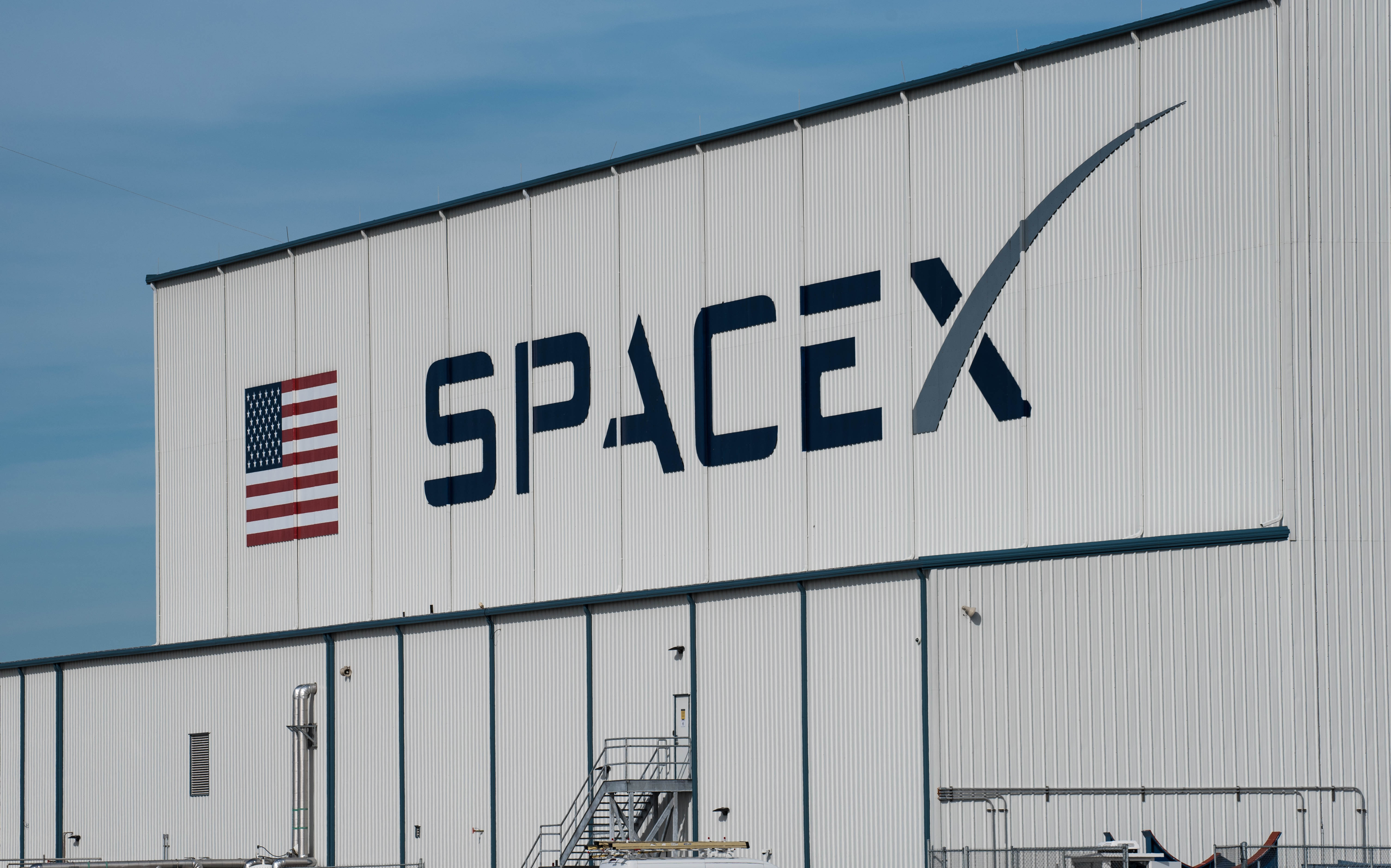
SpaceX has applied to US regulators to deploy up to one million satellites into low-Earth orbit, arguing that space-based “orbital data centres” are the most cost- and energy-efficient way to meet rapidly rising demand for artificial intelligence computing.
Proposal Filed With US Regulators
The application, submitted on Friday to the Federal Communications Commission, states that AI-driven processing requirements are already exceeding what SpaceX describes as current terrestrial capabilities. The filing does not set out a timeline for deployment but outlines a system designed to provide computing capacity for “billions of users globally.”
According to the proposal, the satellites would function as orbital data centres, replacing or supplementing traditional ground-based facilities that rely on large warehouses of computers to process and store data.
Expansion Beyond Starlink Network
If approved, the plan would dramatically increase SpaceX’s presence in orbit. The company already operates nearly 10,000 satellites as part of its Starlink broadband network. That constellation has previously been criticised for contributing to congestion in space, claims that SpaceX founder Elon Musk has rejected.
The new system would consist of solar-powered satellites operating in low-Earth orbit at altitudes between 500 and 2,000 kilometres, similar to Starlink. SpaceX says the satellites would be widely spaced and difficult to see from one another due to the scale of space.
Claims Of Efficiency And Long-Term Ambitions
SpaceX argues that orbital data centres would consume less energy and water than ground-based facilities, which require extensive cooling infrastructure. The company describes the approach as a greener alternative to existing data centres.
The filing also references long-term ambitions, stating that the project would represent a step toward becoming a “Kardashev II-level civilisation,” a theoretical concept describing a society capable of harnessing the full power of the Sun.
In a post on his social media platform X, Musk said the satellites would be spread far apart, adding that space is vast beyond easy comprehension.
Expert Concerns Over Cost And Risk
Industry experts have previously raised concerns about the practicality of orbital computing. One told the BBC that launching and maintaining hardware in space remains expensive, while protecting, cooling, and powering equipment in orbit presents technical challenges. The growing amount of space debris was also cited as a physical risk to satellites.
Another expert warned that the increasing number of objects in low-Earth orbit raises the likelihood of collisions, which could damage satellites or result in debris falling back to Earth.
Ongoing Objections From Astronomers
Astronomers have also criticised SpaceX’s existing satellite operations. In 2024, researchers said radio emissions from the Starlink network were interfering with telescope observations and disrupting scientific work.
Musk has previously dismissed concerns that his satellites occupy excessive orbital space or limit access for other operators.
Featured image credits: Wikimedia Commons
For more stories like it, click the +Follow button at the top of this page to follow us.