

The United Kingdom’s economy recorded no growth in January, an outcome that came in weaker than forecasts and highlighted slowing activity across several sectors. Data released by the Office for National Statistics showed gross domestic product remained flat during the month, following a modest expansion of 0.1% in December.
The figures suggest the economy entered the year with limited momentum even before the outbreak of the conflict involving the United States, Israel, and Iran, which has already pushed up global energy prices.
Services Sector Weakness Led By Restaurant Spending
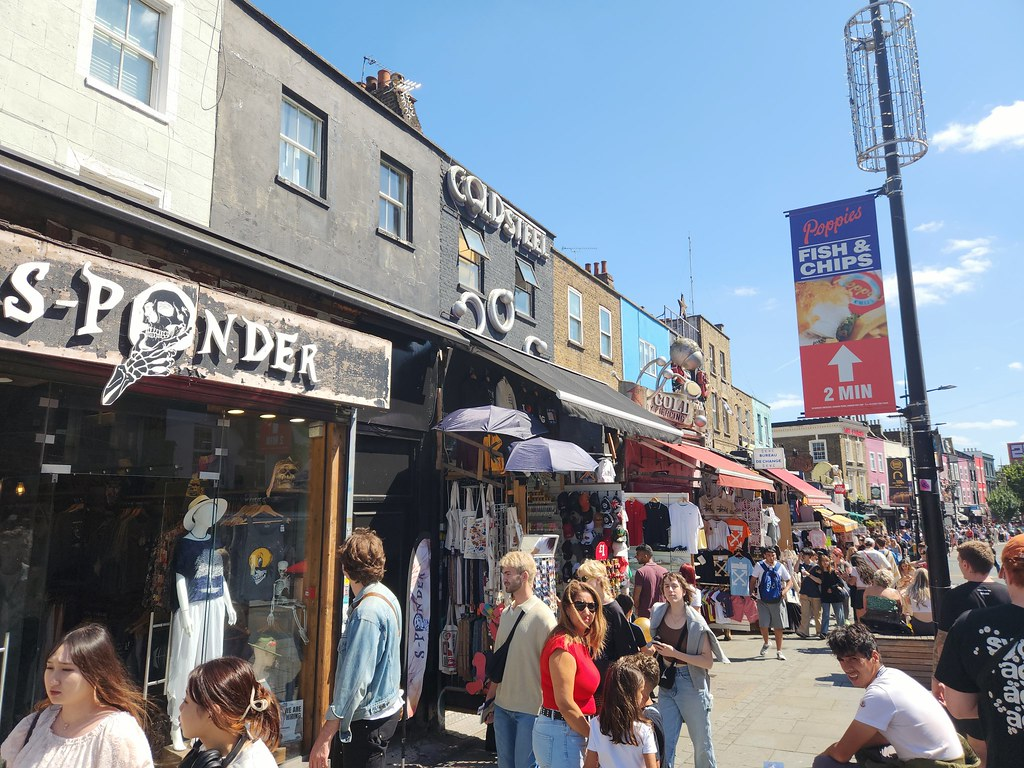
The Office for National Statistics said the services sector showed no growth in January. Within that category, food and drink service activities dropped by 2.7%, reflecting weaker spending in restaurants and hospitality venues.
Kate Nicholls, chair of UK Hospitality, said the early months of the year are typically among the most difficult for the hospitality industry.
She said the figures demonstrate how challenging the trading environment remains for restaurants, bars, and other food service businesses.
Beyond services, production output declined by 0.1% during the month. The construction sector recorded modest growth of 0.2%.
Economy Already Showing Signs Of Slowing
The Office for National Statistics described the overall economic picture as subdued. Analysts also characterised the data as a disappointing start to the year.
Economic growth had already slowed in the second half of the previous year as households reduced spending. Concerns about potential tax increases and rising unemployment contributed to more cautious consumer behaviour.
Looking at a broader measure, gross domestic product grew by 0.2% in the three months to January. That compared with 0.1% growth in the three months leading to December.
GDP, or gross domestic product, measures the total value of economic activity produced by companies, governments, and individuals within a country.
Energy Shock Adds New Uncertainty
The economic data precedes the global energy shock triggered by the conflict involving the United States, Israel, and Iran. The longer the conflict continues, the more likely it is to affect the UK economy, according to Keir Starmer.
Fuel costs have already increased at petrol stations and for heating oil users. Households covered by the energy price cap set by Ofgem will remain protected from higher energy bills until July.
Rising energy prices could also push inflation higher. Before the conflict began, inflation had been expected to fall to the Bank of England target of 2% by the spring.
Higher inflation may influence interest rate decisions. Earlier forecasts suggested the Bank of England could begin cutting interest rates as soon as March, but many analysts now expect the central bank to hold rates steady when it meets next week.
Mortgage Market Already Reacting
Changes in interest rate expectations have already affected the mortgage market. In recent days, UK lenders have withdrawn hundreds of mortgage deals.
Average mortgage rates have also climbed to levels last seen during the spring and summer of last year.
Analysts say a prolonged conflict could weigh further on household spending and pose risks to the government’s economic growth plans.
Political Response And Economic Forecasts
Rachel Reeves said the government’s economic plan remains the correct approach but acknowledged that additional work is needed.
She said the government aims to reduce the cost of living, lower national debt, and create conditions that support economic growth across the country.
Opposition politicians have criticised the government’s approach. Mel Stride said economic policy had left the UK vulnerable to the potential economic consequences of the conflict involving Iran.
Stride called for reductions in fuel taxes, greater support for oil and gas production in the North Sea, and measures aimed at lowering the deficit and reducing welfare spending.
In March, the Office for Budget Responsibility reduced its forecast for UK economic growth this year. The agency now expects the economy to expand by 1.1%, down from a previous projection of 1.4%.
Economists Warn Growth May Remain Weak
Yael Selfin, chief economist at KPMG UK, said economic growth may remain difficult to achieve in the near term.
She said the UK economy entered the year already facing weak activity and that sharply rising energy prices could add further pressure.
Selfin also noted that government borrowing costs have increased in recent weeks as expectations for future interest rates have shifted.
Higher interest rates maintained for longer could create additional challenges for businesses. According to Selfin, weaker growth prospects combined with rising costs may lead firms to reduce planned investment.
Featured image credits: Flickr
For more stories like it, click the +Follow button at the top of this page to follow us.