

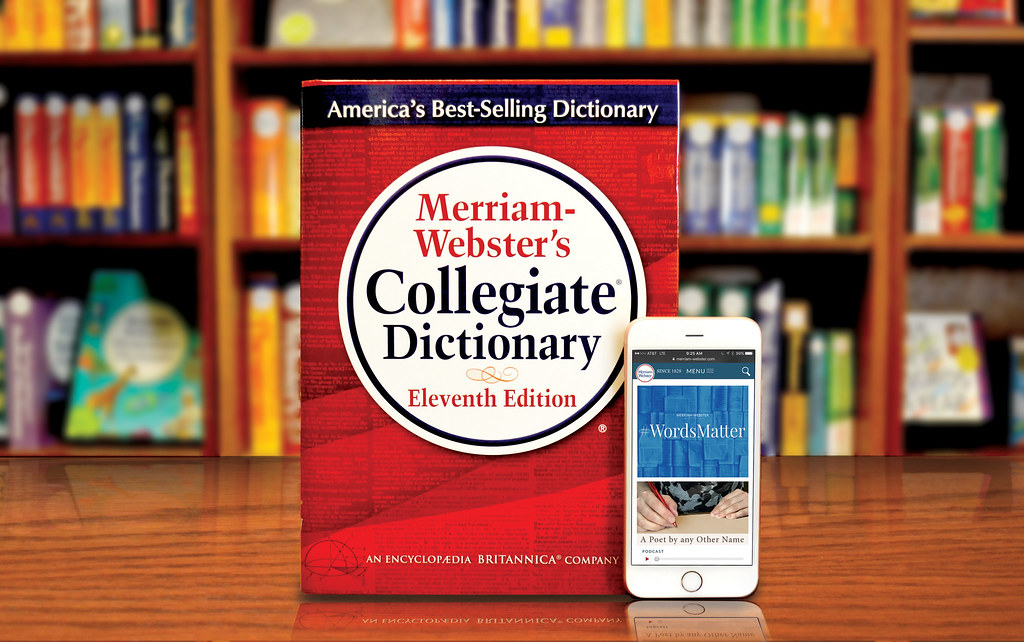
Encyclopaedia Britannica and Merriam-Webster have filed a lawsuit against OpenAI, alleging that the company committed “massive copyright infringement” by using their content without permission to train large language models.
The complaint states that Britannica, which owns Merriam-Webster, holds copyright to nearly 100,000 online articles that were allegedly scraped and used in the training process for OpenAI’s AI systems.
Claims Of Unauthorized Use Of Copyrighted Content
According to the lawsuit, OpenAI used Britannica’s copyrighted articles in several ways.
The publishers allege that the company incorporated the material into its training data for large language models and also reproduced parts of the content in responses generated by ChatGPT.
The complaint further alleges that the chatbot sometimes produces outputs that include full or partial verbatim reproductions of Britannica content.
Britannica also claims that OpenAI uses its articles as part of ChatGPT’s retrieval augmented generation workflow, commonly referred to as Retrieval Augmented Generation.
This method allows the system to access updated information from external sources while answering user queries.
Trademark And Hallucination Allegations
In addition to copyright claims, the lawsuit alleges violations of the Lanham Act.
Britannica argues that ChatGPT sometimes generates incorrect information and attributes it to the publisher, which the complaint says could damage the company’s reputation.
The lawsuit states that these AI-generated hallucinations may create false statements attributed to Britannica and Merriam-Webster.
The publishers also claim that AI-generated responses may compete directly with original content by providing answers that reduce the need for users to visit publisher websites.
According to the complaint, this could reduce traffic and advertising revenue for online publishers.
Part Of Wider Legal Actions Against OpenAI
Britannica joins a growing group of publishers pursuing legal claims against OpenAI related to copyright and the use of training data.
Among those that have filed lawsuits are The New York Times and Ziff Davis, which owns publications including Mashable, CNET, IGN, and PCMag.
More than a dozen newspapers across the United States and Canada have also filed claims against the company. These include Chicago Tribune, The Denver Post, Sun Sentinel, Toronto Star, and Canadian Broadcasting Corporation.
Britannica has also filed a separate lawsuit against Perplexity, which remains ongoing.
Legal Uncertainty Around AI Training Data
Courts have not yet established clear precedent on whether using copyrighted material to train large language models constitutes copyright infringement.
In a separate case involving Anthropic, U.S. federal judge William Alsup ruled that training AI systems on copyrighted material could qualify as transformative use.
However, the judge also determined that Anthropic violated the law by illegally downloading millions of books rather than acquiring them legally.
That case resulted in a $1.5 billion class-action settlement for affected writers.
Featured image credits: Flickr
For more stories like it, click the +Follow button at the top of this page to follow us.