

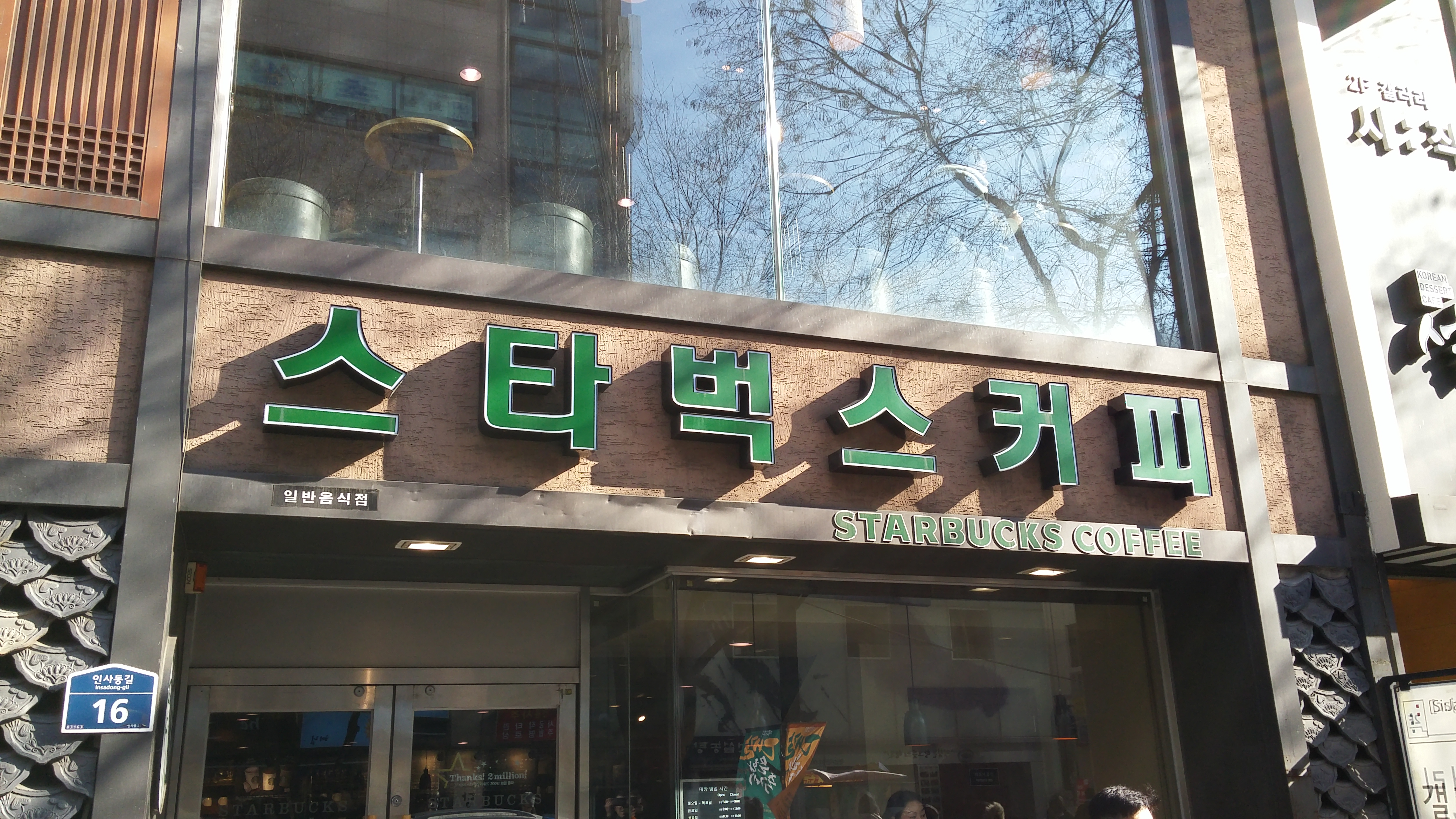
Starbucks Korea will close all its stores early on June 22 so employees can attend mandatory training on South Korean history and social sensitivity. The action follows public criticism of a reusable cup campaign that appeared on the anniversary of the 1980 Gwangju Uprising.
Stores across the country will end operations at 3 p.m. local time and remain closed until the following day. It will be Starbucks Korea’s first nationwide early closure since the company began operating in the country in 1999.
Employees and Executives to Attend Training
Store employees will watch training videos covering historical awareness, social sensitivity, and the responsibilities of companies when addressing sensitive issues. Shinsegae Group detailed the closure and training plans in its official announcement.
Starbucks Korea’s head office employees and executives from Shinsegae’s E-Mart division will attend separate sessions. Shinsegae Group chairman Chung Yong-jin and company leaders are also scheduled to complete the training.
The company said it would strengthen its marketing review process and introduce a social-sensitivity checklist. These measures are intended to prevent similar campaigns from being approved in the future.
Promotion Drew Criticism Over Historical References
The criticism began after Starbucks Korea promoted its Tank Series tumblers on May 18, the anniversary of the Gwangju Uprising. At least 165 civilians were killed during the military suppression of pro-democracy demonstrations, although estimates from victims’ groups are higher.
The promotion included the phrase “tak on the table” in Korean, referring to the sound of an item striking a surface. Critics connected the wording to a disputed police explanation issued after student activist Park Jong-chul died in custody in 1987.
Shinsegae said marketers used an AI tool while developing slogan suggestions for the campaign. Starbucks Korea stopped the promotion and later issued a public apology to Gwangju victims, their families, activists, and others involved in South Korea’s democratization movement.
President Lee Jae Myung condemned the campaign during the public response. Demonstrators gathered outside stores, calls for a boycott spread, and the company reportedly recorded lower sales.
Starbucks Korea CEO Removed After Campaign
Shinsegae Group dismissed Starbucks Korea CEO Sohn Jeong-hyun on the day the controversy emerged. The company had initially explained that the Tank Series was one of several tumbler ranges included in a promotion scheduled from May 15 to May 26.
The Gwangju Uprising later became an important event in South Korea’s transition toward democracy. Pro-democracy protests continued during the following years and contributed to the political movement that ended Chun Doo-hwan’s rule.
Chun was convicted of treason and corruption in 1996 before receiving a presidential pardon. The South Korean government formally apologized in 2018 after investigations confirmed sexual violence by troops during the Gwangju crackdown.
Featured image credits: Wikimedia Commons
For more stories like it, click the +Follow button at the top of this page to follow us.