

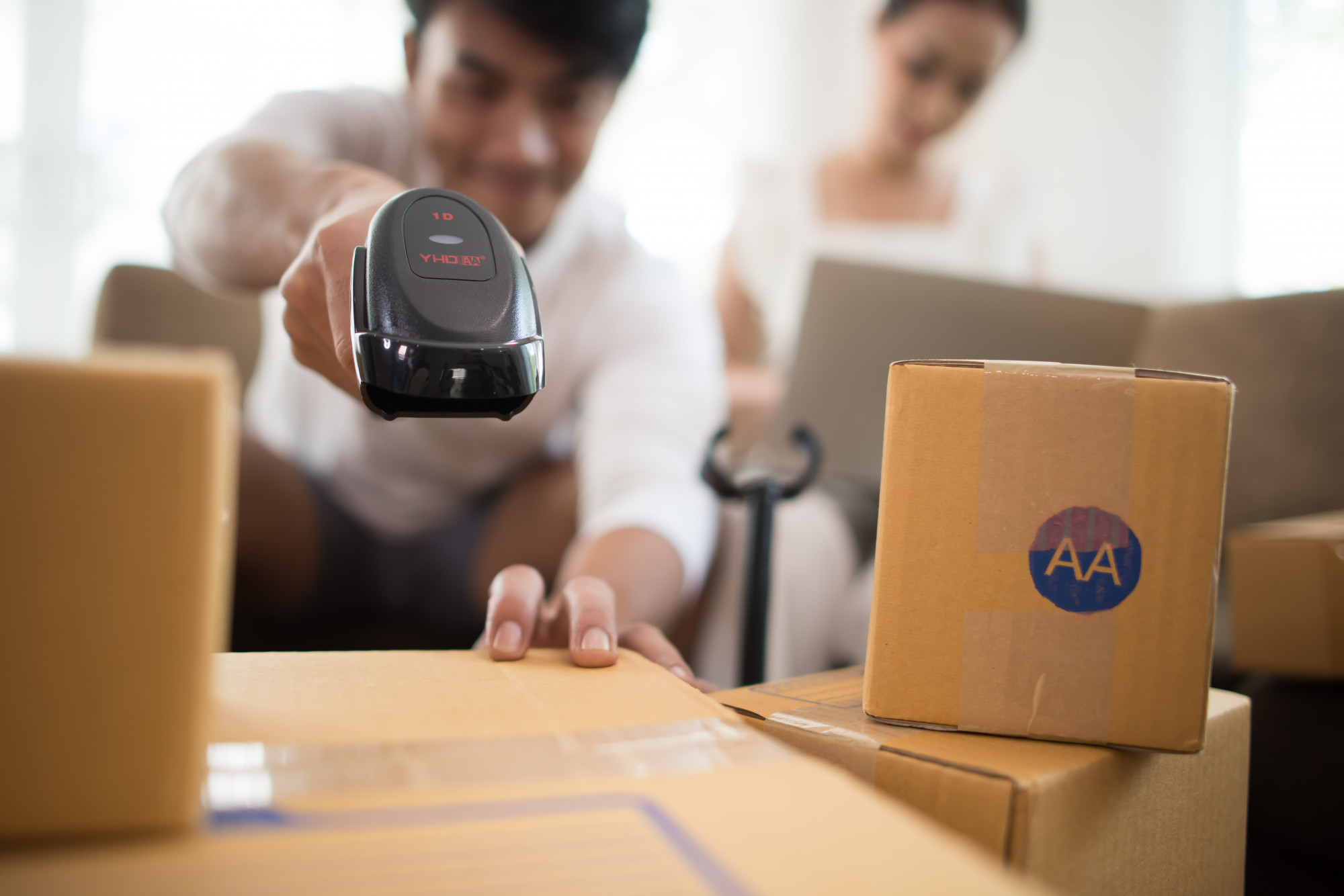
Samsara has introduced a disposable tracking label designed to give businesses near-real-time visibility into valuable and time-sensitive cargo as it moves between warehouses, vehicles, and delivery locations.
The paper-thin Tracking Label uses Bluetooth Low Energy and Samsara’s existing network of connected vehicles, equipment, warehouse scanners, and mobile phones. The company says the system can help shipping teams detect theft, delays, and incorrectly routed cargo before a shipment reaches its destination.
Tracking Label Uses Samsara’s Existing Device Network
Traditional cargo tracking often depends on barcode scans at warehouses, ports, and distribution centres. These checkpoints can leave long periods during which companies have little information about a shipment’s location.
The Samsara Tracking Label is a flexible, adhesive-backed label measuring approximately two by four inches. Once activated, its zinc battery can power the Bluetooth transmitter for around 45 days.
The labels can remain inactive for up to nine months before activation. They contain no lithium or hazardous materials, allowing them to travel by air, road, or rail and be discarded without specialised handling.
Nearby Samsara-connected devices detect the label’s Bluetooth signal and update its position through the company’s network. Samsara says millions of connected devices travel across 99% of major US roads and operate at tens of thousands of worksites.
Shipment Centre Highlights Delays and Exceptions
Businesses manage the labels through Samsara’s new Shipment Centre, which displays active shipments, location histories, carrier scans, and possible delivery problems.
The system can flag cargo that has stopped unexpectedly, travelled away from its planned route, or may be delayed by severe weather. Customers can also connect labels with bills of lading, carrier tracking numbers, and warehouse identifiers.
Samsara Assistant supports natural-language questions about shipments. A manager could ask which deliveries are at risk of being delayed and receive information drawn from the company’s logistics data.
The company expects the technology to be used mainly for critical shipments, including electronics, industrial equipment, consumer products, and computing hardware. Real-time information could also help businesses respond more quickly when components needed for manufacturing are delayed.
UPS Also Expands Package-Tracking Technology
Samsara’s launch follows UPS’s expansion of radio-frequency identification technology across its US delivery network. UPS has installed RFID readers in vehicles and facilities and added compatible labels at more than 5,500 UPS Store locations.
RFID systems detect packages when they pass close to installed readers. Samsara argues that its moving Bluetooth network can continue locating cargo after it leaves a conventional carrier’s scanning infrastructure.
Featured image credits: Magnific.com
For more stories like it, click the +Follow button at the top of this page to follow us.