

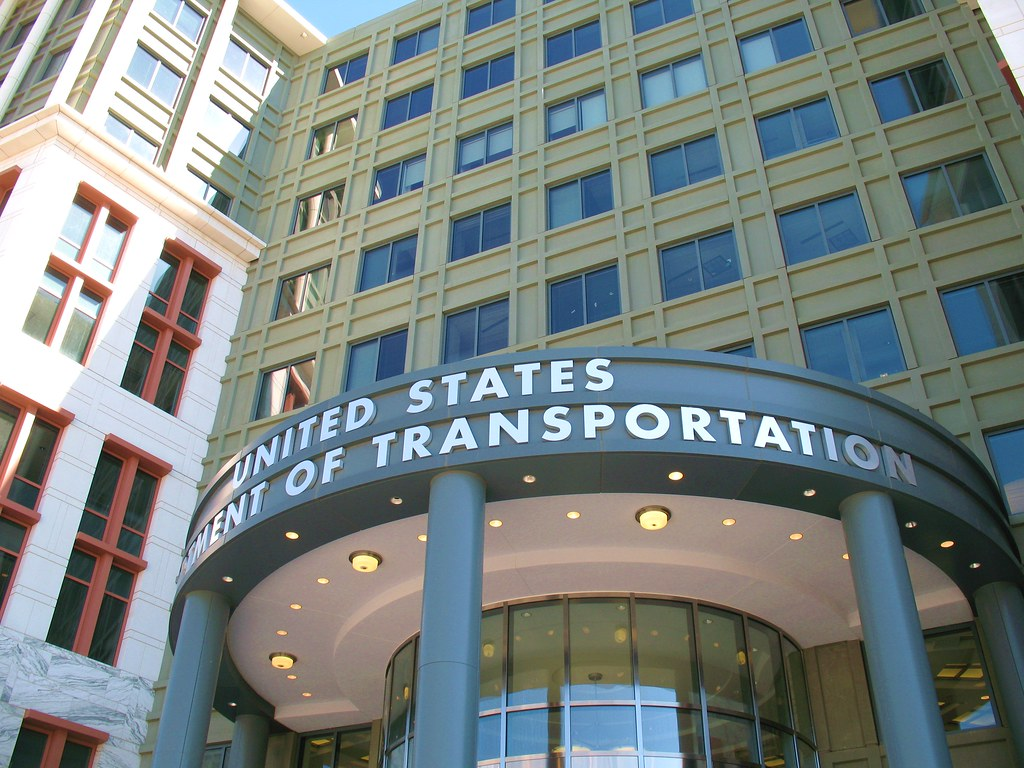
The US Department of Transportation has proposed removing the federal requirement for manual brake pedals in vehicles designed to operate exclusively through automated driving systems.
The change could make it easier for companies including Tesla and Zoox to deploy purpose-built robotaxis without steering wheels, pedals, or other controls intended for human drivers. The public will have 30 days to comment before the National Highway Traffic Safety Administration considers whether to finalise the rule.
Proposal Targets Vehicles Without Human Drivers
Current Federal Motor Vehicle Safety Standards were largely written for conventional vehicles operated by people. They include requirements for equipment such as brake pedals, even when a vehicle’s design does not allow a passenger to take control.
Under the NHTSA proposal, the manual brake-pedal requirement would no longer apply to vehicles built exclusively for automated operation. Other applicable crash-protection and safety standards would remain in place.
NHTSA Administrator Jonathan Morrison said the agency wanted to remove rules that unnecessarily restrict autonomous vehicle designs while retaining requirements linked to safe performance.
The proposal is part of the Transportation Department’s Automated Vehicle Framework. NHTSA has also considered updates involving windscreen wiping, defogging systems, and tyre information requirements for vehicles without conventional drivers.
A rule finalised in 2022 previously updated occupant-protection standards to account for vehicles without traditional driving controls or a conventional driver’s seating position.
Tesla and Zoox Could Benefit
Tesla has designed its two-seat Cybercab without a steering wheel or pedals. The company has not applied for a federal exemption covering those missing controls and has instead said it intends to deploy the vehicle after receiving regulatory approval.
Tesla currently operates a limited robotaxi service in Austin using vehicles that retain conventional controls. The company has acknowledged using remote assistance to monitor the fleet and help vehicles in limited circumstances.
Amazon-owned Zoox already operates a purpose-built, bidirectional robotaxi without manual controls. In August 2025, NHTSA granted the company a demonstration exemption covering vehicles used on public roads.
Zoox has submitted a separate request to operate the vehicle commercially. NHTSA opened that request for public comment in March 2026, but a final decision has not been announced.
Existing Vehicles Face Fewer Regulatory Obstacles
Companies developing vehicles that do not comply with existing standards must currently seek exemptions. Commercial exemptions can restrict the number of vehicles deployed and may include operating and reporting conditions.
A final rule removing the brake-pedal requirement could reduce the need for those case-by-case applications. It would not, however, amount to approval of any company’s automated driving software or remove NHTSA’s authority to investigate defects and order recalls.
Waymo faces fewer design-related obstacles because its robotaxi fleet uses modified production vehicles, including the Jaguar I-Pace, that retain manual controls and already comply with the relevant equipment standards.
Featured image credits: Mr.TinMD via Flickr
For more stories like it, click the +Follow button at the top of this page to follow us.