

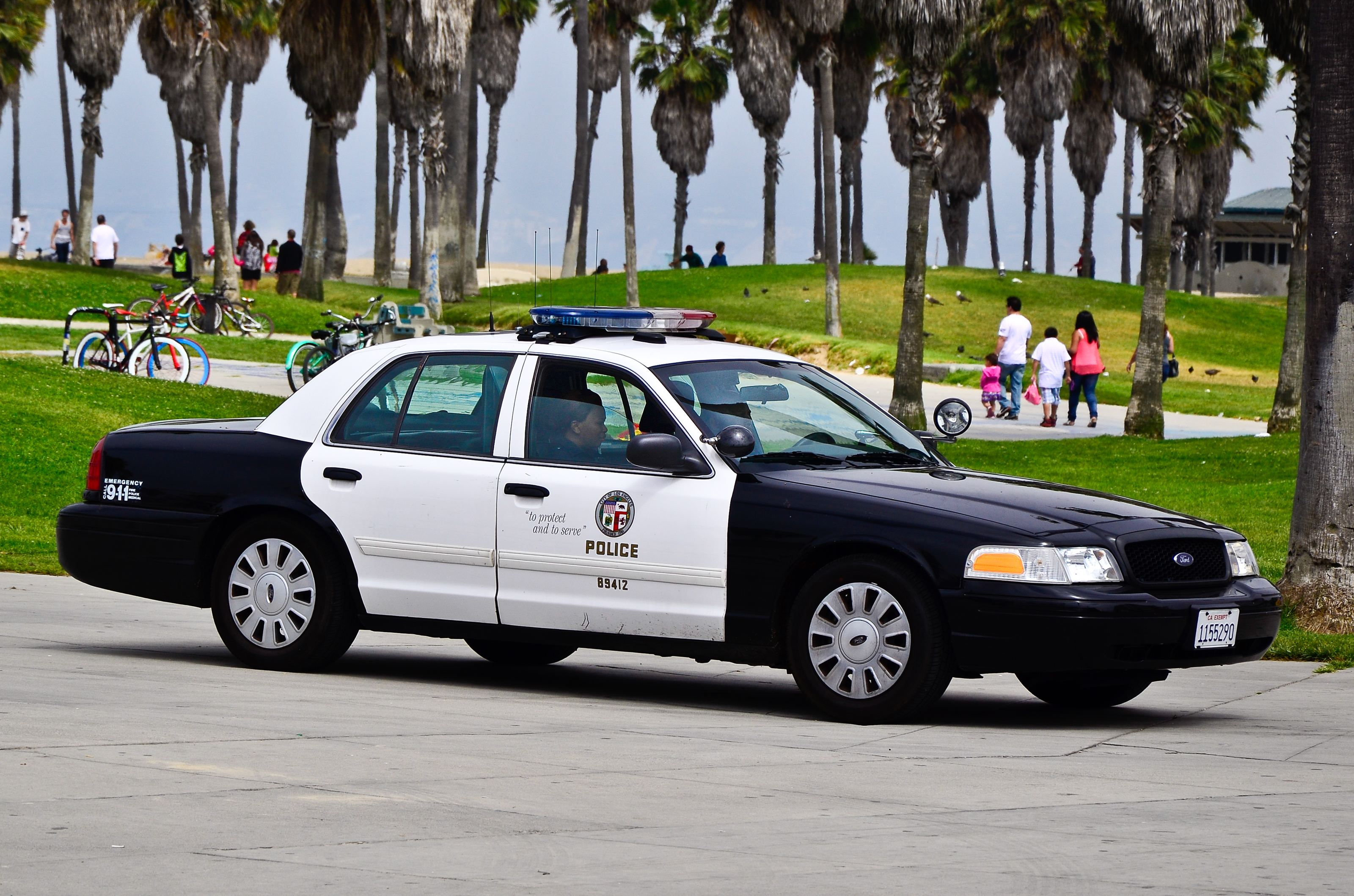
The Los Angeles Police Department has allowed its three-year contract with license plate camera company Flock Safety to expire, citing concerns over privacy, civil liberties and data handling. The decision ends, at least for now, one of Flock’s largest known law enforcement relationships in the U.S.
LAPD chief information officer Dean Gialamas told local media that the department had serious concerns about civil rights, civil liberties, privacy and the data collected by Flock’s cameras. He said the department would stop using the service until issues around data, privacy, security and sharing could be addressed in a new contract.
Flock’s cameras scan vehicle license plates and help police track cars across a network of fixed roadside cameras. The company says its license plate readers support investigations by providing real-time alerts, audit trails, vehicle search tools and access controls.
LAPD Seeks Stronger Privacy Terms
ABC7 reported that the LAPD’s contract expired on Saturday and that the department was seeking new contract language covering privacy and data storage. The department has said Flock data is audited and inspected for compliance, with stored data kept for seven to 30 days before deletion.
It remains unclear whether Flock’s cameras in Los Angeles will continue recording without an active LAPD contract. TechCrunch reported that the LAPD did not respond to a request for comment over the weekend.
Flock spokesperson Holly Beilin told TechCrunch that the company was surprised by the contract expiry and believed it could clear up misconceptions that led to the decision. The company did not specify which misconceptions it meant.
The LAPD is the third-largest police department in the U.S., making its decision a significant setback for Flock. The company has built a nationwide network of at least 80,000 cameras used by local police departments, federal agencies, businesses and neighbourhood groups.
Other Cities Have Also Raised Concerns
Several cities have reconsidered or ended Flock relationships over privacy and data-sharing worries. Mountain View, California, and South Portland, Maine, are among the cities that have stopped working with the company.
A major concern has been whether license plate data can be used by federal immigration authorities in ways that conflict with local sanctuary policies. Researchers and civil rights groups have also warned that automated license plate readers can create a detailed record of people’s movements.
The technology has also faced criticism over errors. Recent reports have documented drivers being stopped, detained or held at gunpoint after license plate readers produced false matches. In one case, a journalist for The Drive said police boxed him in after a Flock camera wrongly flagged a review vehicle as stolen.
Flock has also faced scrutiny over security lapses. 404 Media reported that exposed Flock systems allowed reporters to view live camera feeds, and lawmakers have urged federal consumer regulators to investigate whether the company has done enough to protect camera access.
Supporters of license plate readers say they help police recover stolen vehicles, solve crimes and locate suspects faster. Critics argue that without stronger limits, the same systems can enable broad surveillance, data sharing and mistaken enforcement.
For Los Angeles, the contract expiry does not necessarily mean the relationship with Flock is over permanently. But the department’s decision shows that privacy and data controls are becoming central to whether cities keep using large-scale license plate surveillance systems.
Featured image credits: TOMAS DEL CORO – Wikimedia Commons
For more stories like it, click the +Follow button at the top of this page to follow us.