

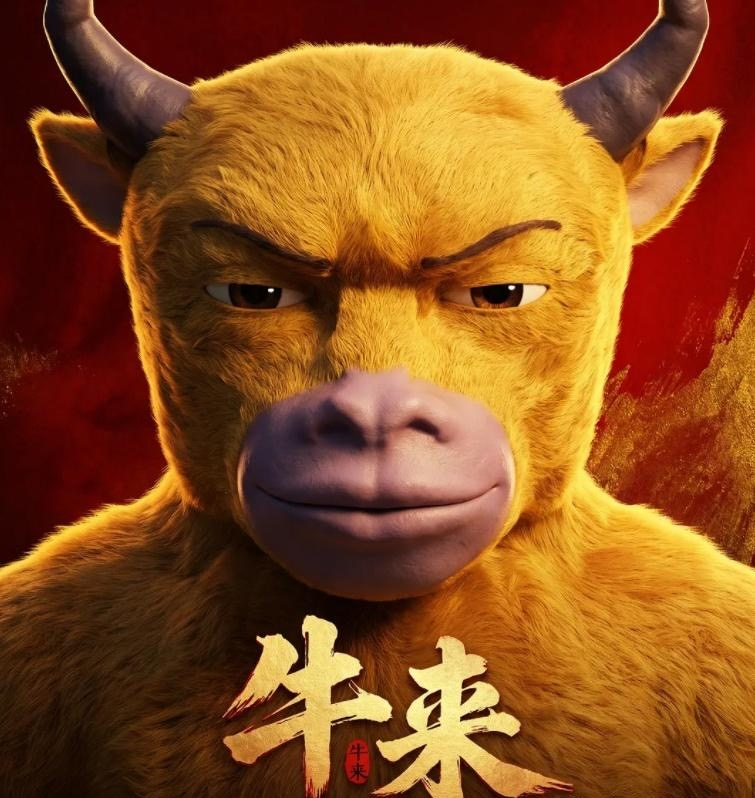
Chinese animated film Niu Lai has become an unexpected box office success after initially earning just 7,705 yuan ($1,140) during its first 10 days in cinemas. The low-budget production has since passed 11.4 million yuan in ticket sales, according to Chinese movie tracking platform Maoyan.
The film, which centers on a cow in a dream sequence, went viral largely because of its confusing plot and crude animation. Social media users began sharing clips and jokes about the movie, turning its poor production values into the main reason people wanted to see it.
One widely shared post summed up the mood by saying viewers might regret watching the 80-minute film, but would regret missing it even more.
Poor Animation Becomes Part of the Appeal
Many users on Weibo have praised the film ironically for its supposedly “hand-crafted” animation, framing its rough visuals as evidence that the creators did not rely on generative AI.
Some have called it “pure handmade” and described it as one of the biggest surprise successes of the summer film season. The jokes reflect a broader backlash against low-quality AI-generated images and videos appearing across social media platforms.
The film has also attracted attention from retail investors. In Chinese, the character 牛 can mean either cow or bull, and some viewers have connected Niu Lai with hopes for a rising, or “bullish,” stock market.
One Weibo user said they would buy a ticket if the stock index reached 4,000 points the following day. Another described the film as terrible but praised its name because of the market association.
Cinemas Add Screenings as Demand Rises
Niu Lai had little publicity before its release and did not even have a conventional promotional poster. After demand increased, cinemas added more screenings, while some staff reportedly created their own hand-drawn posters to advertise the film.
Its rapid rise has allowed it to compete for attention alongside major releases including The Odyssey and Spider-Man: Brand New Day.
The sudden popularity has also prompted criticism. A commentary published by state-owned Beijing News warned that cinemas could lose audience trust if they continue giving additional screenings to movies considered poorly made.
The publication argued that cinemas should act as gatekeepers and reject productions that fall below acceptable standards rather than allowing viral attention alone to determine screening schedules.
For now, Niu Lai has become one of China’s more unusual box office stories of the summer, with its technical shortcomings helping drive the attention that its original marketing campaign never achieved.
Featured image credits: Niu Lai.wiki
For more stories like it, click the +Follow button at the top of this page to follow us.