

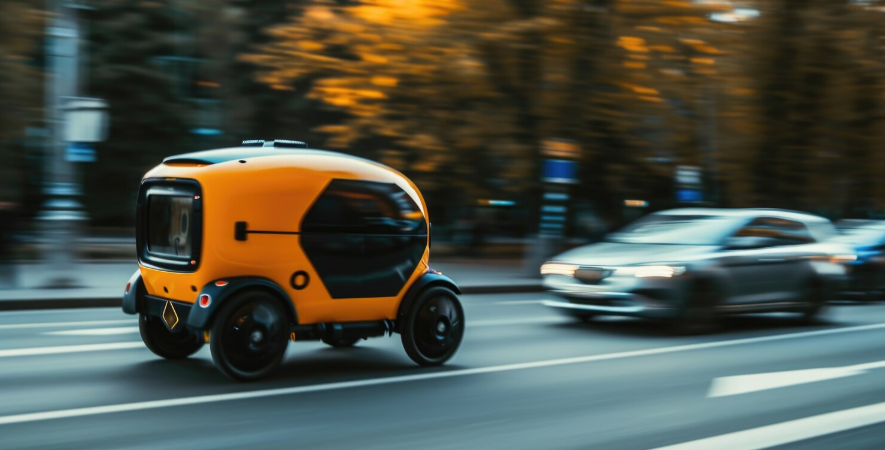
California has adopted new rules requiring autonomous vehicle companies such as Tesla, Waymo, and Zoox to provide local, on-the-ground support when their vehicles crash, become disabled, or interfere with emergency responders. Senate Bill 1246 also allows penalties when an autonomous vehicle blocks first responders during an emergency for more than 30 minutes.
Governor Gavin Newsom signed SB 1246 on September 30. The law takes effect on July 1, 2028, with the California Department of Motor Vehicles responsible for setting guidelines on areas including response times for local incident technicians.
Companies Must Send Local Technicians To Incidents
The law requires autonomous vehicle manufacturers to immediately dispatch local incident technicians after certain crashes, obstructions, or requests from emergency officials or 911 dispatchers. Companies must also notify affected local jurisdictions during fleet-wide emergencies or system failures that could create traffic hazards or interfere with emergency response.
State Senator Dave Cortese, who introduced the bill, said in his official announcement that autonomous vehicle deployment should include clearer accountability when vehicles obstruct roads or interfere with police and firefighters.
The legislation follows several incidents involving robotaxis that became disabled, entered emergency scenes, or required help from first responders. Waymo operates about 1,200 vehicles in the San Francisco Bay Area and roughly 4,000 autonomous vehicles across its U.S. commercial fleet, according to TechCrunch.
Remote Drivers Must Be Based In The United States
SB 1246 also creates requirements for remote drivers, defined as people who directly control an autonomous vehicle from another location. They must be located in the United States and hold a license valid for driving in California.
Tesla has publicly said it uses remote operators capable of taking direct control of its robotaxis. Waymo instead describes its system as remote assistance, where the autonomous driving software remains in control while human staff provide guidance or commands.
The California DMV had already expanded its autonomous vehicle regulations earlier this year. Those rules require AV companies to respond to first responder calls within 30 seconds and allow emergency officials to create temporary geofenced areas that autonomous vehicles must avoid.
New Penalties Apply To Emergency Obstructions
Cities and counties will be able to pursue civil penalties when companies violate certain provisions of SB 1246. The law also requires manufacturers to collect data on technician response times, crashes, immobilizations, obstructions, and other emergency events and submit the information to the DMV quarterly.
Waymo and Zoox have said they plan to comply with the law. Waymo said amendments made during the legislative process would allow autonomous vehicle operators to continue serving customers in California while meeting the new requirements.
Featured image credits: Magnific.com
For more stories like it, click the +Follow button at the top of this page to follow us.