

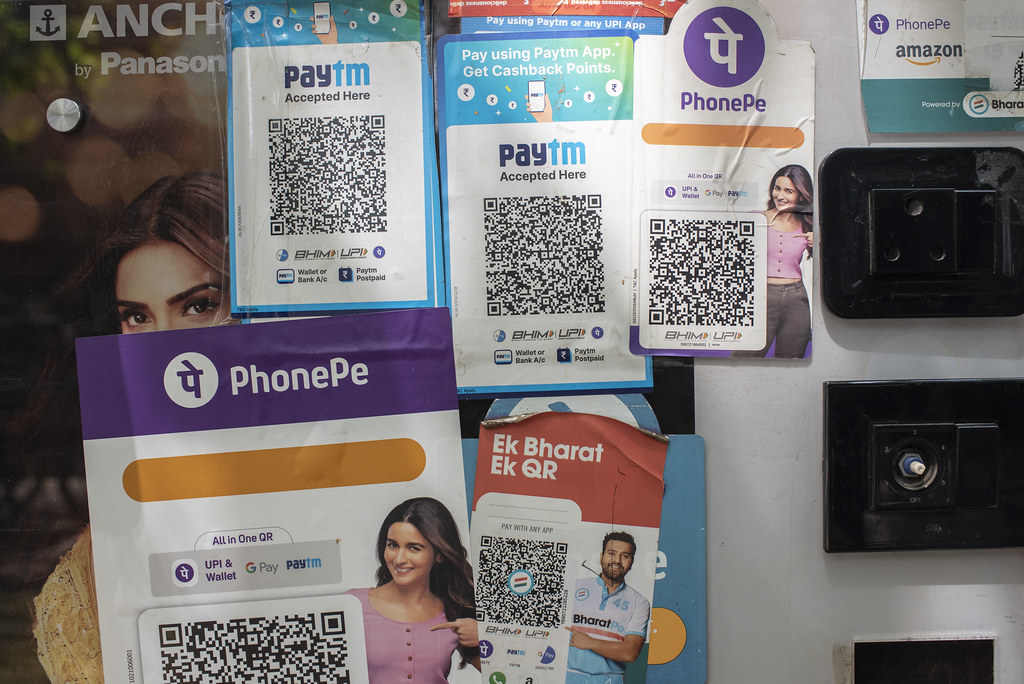
India has postponed plans to introduce a 0.4% fee on certain merchant transactions made through its Unified Payments Interface (UPI), following opposition from retailers and businesses. The National Payments Corporation of India (NPCI) announced on October 13 that the charges, originally scheduled to begin October 15, would take effect after the Diwali shopping season.
The decision delays a policy that would end more than six years of fee-free UPI transactions for merchants. According to NPCI’s official announcement, the revised implementation date will be announced separately, while the proposed fee structure remains unchanged.
How the New UPI Merchant Fees Will Work
Under the proposed framework, merchants will pay a 0.4% merchant discount rate (MDR) on eligible UPI transactions exceeding ₹2,000 (approximately $21). The fee will be capped at ₹300 (around $3) per transaction, while payments of ₹2,000 or less will remain exempt.
Small merchants receiving less than ₹100,000 (approximately $1,033) monthly through UPI will also be exempt. NPCI plans to distribute the collected fees among participating banks and payment providers to support infrastructure, cybersecurity, and fraud prevention.
The proposed charges have faced opposition from mobile phone retailers and petrol station operators, some of whom warned they could stop accepting certain UPI payments. Merchant groups also raised concerns about additional operating costs during India’s festive shopping period.
UPI Transaction Growth and Operating Costs
UPI has become one of India’s primary digital payment systems, supporting transactions through Google Pay, PhonePe, and Paytm. According to NPCI’s transaction statistics, the network processed 24.07 billion transactions worth ₹29.37 trillion (approximately $305 billion) in September 2026.
India eliminated merchant fees on UPI payments in January 2020 to encourage digital transactions and reduce dependence on cash. The government subsequently provided subsidies to banks and payment companies to offset some of their operating expenses.
NPCI estimates that maintaining the UPI network costs approximately ₹200 billion ($2.1 billion) annually. These expenses include server infrastructure, fraud prevention systems, and technical support, with banks and payment providers seeking additional revenue to cover rising transaction volumes.
India Expands UPI Beyond Domestic Payments
India has also been extending UPI services internationally through NPCI International Payments Limited, established in April 2020. The network is now available in several overseas markets, including Singapore, the United Arab Emirates, and France.
The proposed merchant fees would introduce a new revenue source for participating payment providers, including dominant platforms Google Pay and PhonePe. However, NPCI has retained the existing exemptions and transaction limits while postponing the rollout until after Diwali.
Featured image credits: International Monetary Fund via Flickr
For more stories like it, click the +Follow button at the top of this page to follow us.